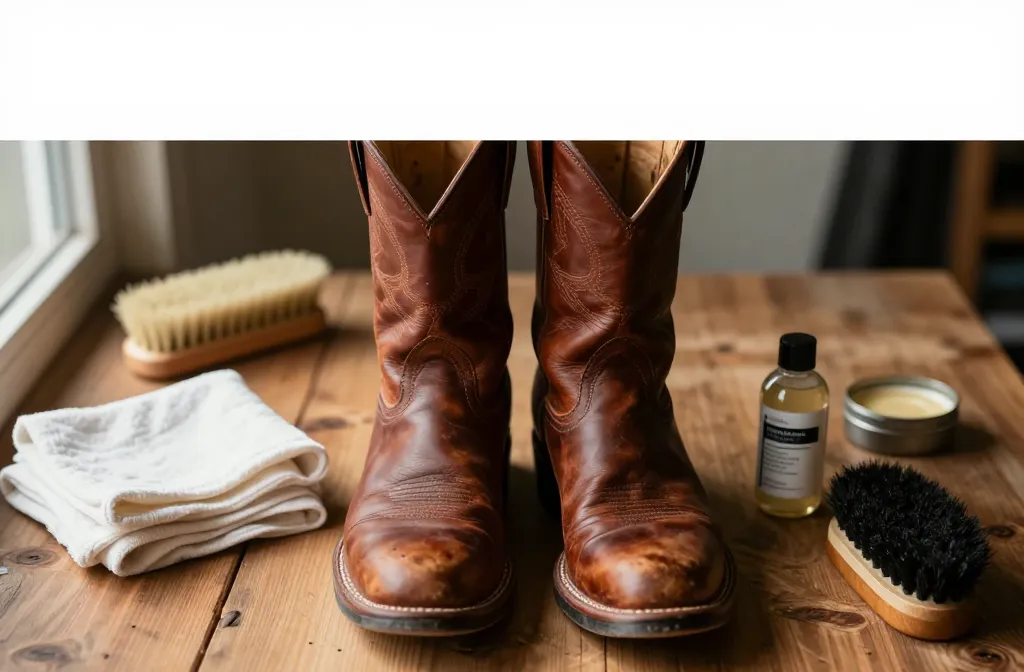
Cowboy Boot Care Guide — How to Maintain Them
Cowboy boot care keeps good leather honest through gravel lots, wet grass, and dance floors that haven’t seen a mop since last rodeo season. I learned that standing over a wood stove with a damp pair years ago, rubbing them down while the kids snored. By the end of this guide, you’ll have a simple routine — what to do after each wear, what to do seasonally, what ruins boots, and when to call a cobbler — so your boots last for years, not seasons. We’ll keep it to what works in a normal house with normal tools, no fancy kit required.
Quick housekeeping: Some of these links pay the blog a little commission. It doesn’t change the price, and it’s never why something made the list.
What You Need — A Short List That Actually Gets Used
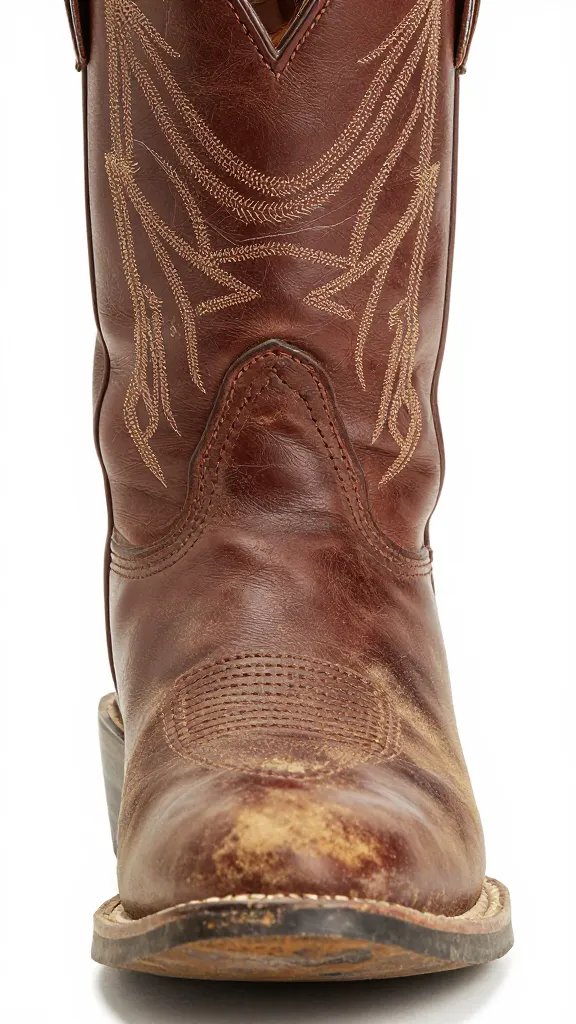
- Horsehair brush — soft bristles for daily dust; safe on finished leather and stitching.
- Cotton cloths — old t-shirt squares for cleaning, conditioning, and buffing.
- Mild leather cleaner — saddle soap or a pH-balanced leather cleaner for real dirt.
- Leather conditioner (cream or balm) — nourishes without flooding the pores; choose neutral.
- Neutral cream polish — for finished-leather pairs if you want light shine and scuff cover.
- Boot trees or newspaper — keeps shape, wicks moisture; cedar is nice, paper works.
- Small suede brush and eraser — if you own roughout or suede western boots.
- Edge dressing — optional; tidies scuffed welt and heel edges on dressier pairs.
The After-Every-Wear Routine for Cowboy Boots
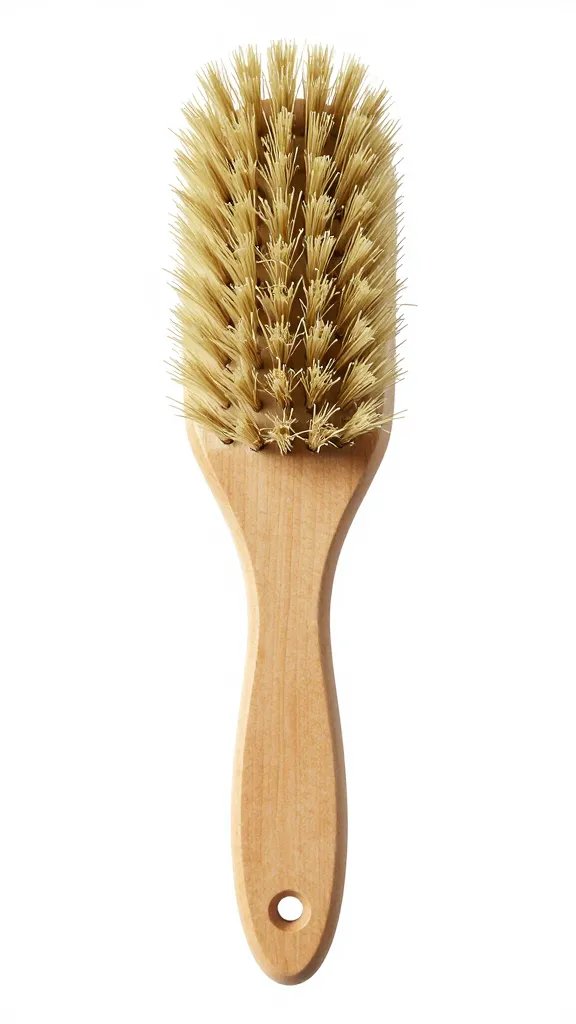
- Set the boots upright on a mat. If they’re damp, let them sit 10 minutes so surface moisture flashes off.
- Brush off dust with the horsehair brush, moving from shaft to vamp to heel. Get the welt seam; dust hides there.
- Wipe light grime with a barely damp cotton cloth. If the cloth leaves no mark, you’re done cleaning.
- Insert boot trees or rolled newspaper the moment they go in the closet. Shape is half of maintenance.
- Air them overnight outside the closet if they’re humid from a long day. Leather hates sealed spaces while damp.
Thirty years of barn weddings taught me this little ritual saves you from big cleans later. I keep the brush by the door with the dog leash so I don’t skip it.
Monthly and Seasonal Cleaning — The 6-Step Method
- Dry check: Make sure boots are room-dry. Never clean wet leather.
- Deep dusting: Brush thoroughly, including inside pulls and along the heel counter.
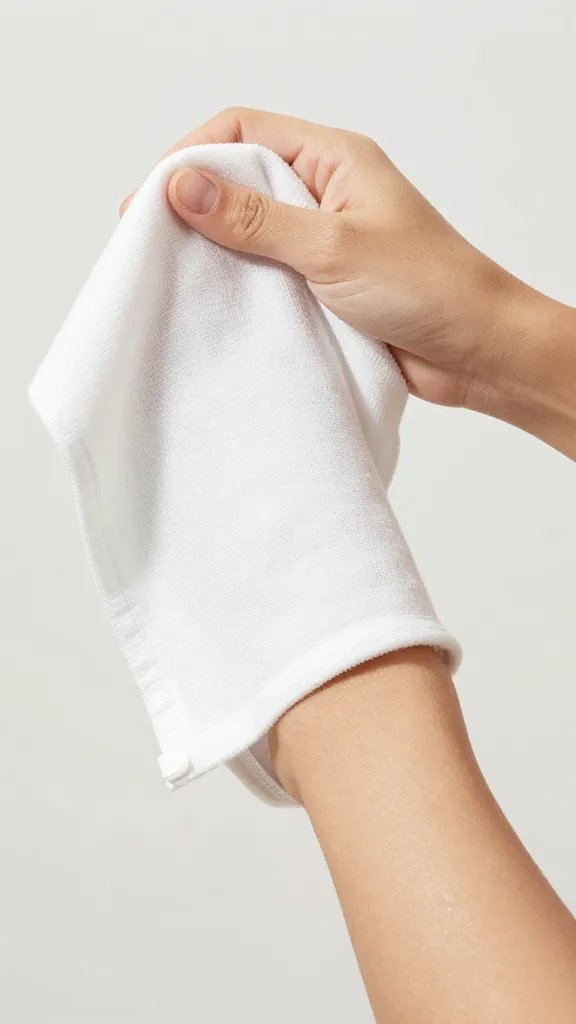
- Clean: Work a nickel-sized amount of saddle soap or leather cleaner onto a damp cloth, lather gently over the surface in small circles, and wipe off residue with a clean damp cloth. Let dry 20–30 minutes.
- Condition: Apply a thin film of cream or balm with fingers or cloth. Focus on flex points over the vamp. Less is better; you can always add more. Rest 30 minutes to absorb.
- Buff: Use a dry cloth or brush to bring back a soft sheen. For finished leather, add a whisper of neutral cream polish, then buff again for a light glow.
- Edges (optional): Touch the welt and heel edges with edge dressing; let it cure fully before wearing.
I conditioned a pair right before a summer thunderstorm once and wore them out too soon — the finish dulled fast. Let the conditioner settle before you take them back into weather.
Water, Mud, and Salt — What To Do When Life Happens
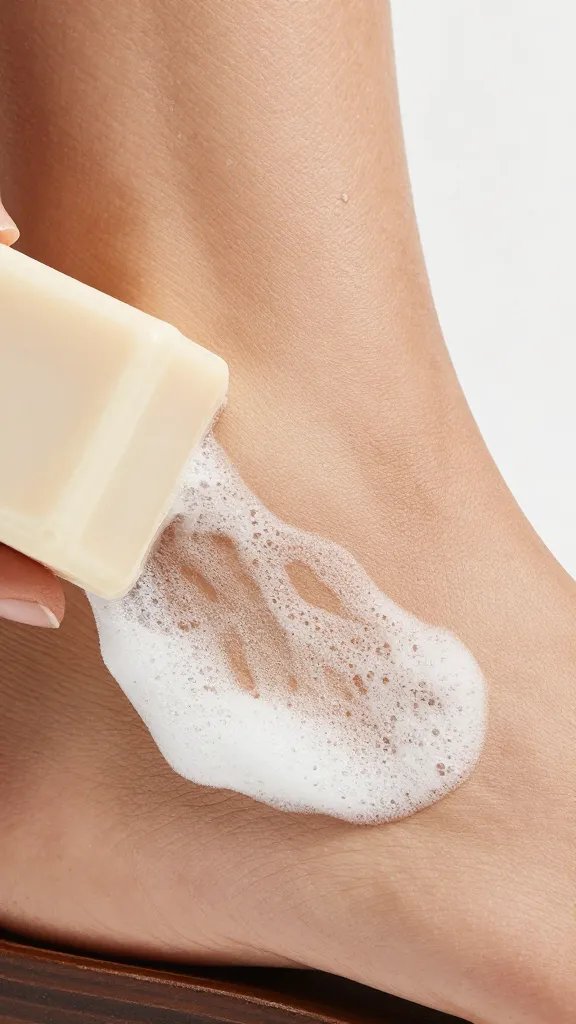
Rain or Puddles
Stuff with newspaper immediately, replace as it wets through, and lay the boots on their side at room temperature. Do not set them near a heater or in direct sun; heat cooks leather hard. Once dry, brush gently and condition lightly.
Mud and Manure
Let heavy mud dry. Knock off clods outside. Use a damp cloth and a little saddle soap, rinse cloth often, then let dry fully before conditioning. I once dried out a soaked pair overnight with newspaper; they’re still in rotation a decade later.
Winter Road Salt
Mix a splash of white vinegar into water (about 1:8). Wipe salt lines gently, then wipe with plain water and dry. Condition the same day; salt is harsh.
Different Leathers, Different Rules for Cowboy Boots
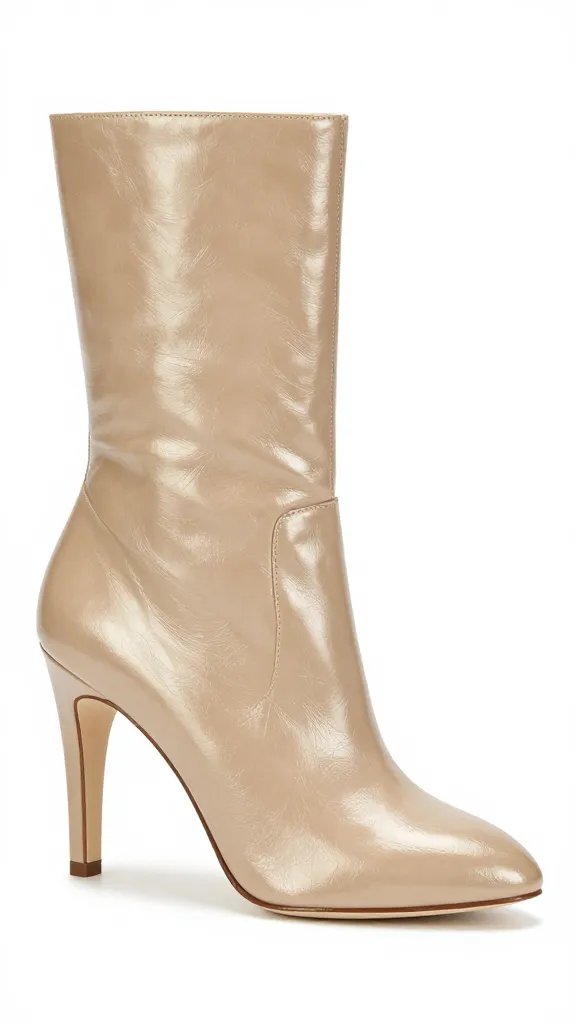
Full-Grain Finished Leather
Most classic pairs. They like the standard routine above. Use cream conditioner and, if you want shine, a neutral cream polish. Avoid oils unless the maker explicitly recommends them.
Roughout and Suede
- No cream conditioners or polishes.
- Use a suede brush to lift the nap and a suede eraser on shiny spots or light stains.
- For water resistance, use a suede-protecting spray sparingly from a distance and let dry 24 hours.
Exotic Leathers (lizard, caiman, ostrich)
Use a very light application of a conditioner made for exotic scales or follicles. Work in with a soft cloth in the direction of the scales, not against. Exotic skins dry out faster at flex points; treat gently and less often.
Soles and Heels — When to Repair, When to Replace
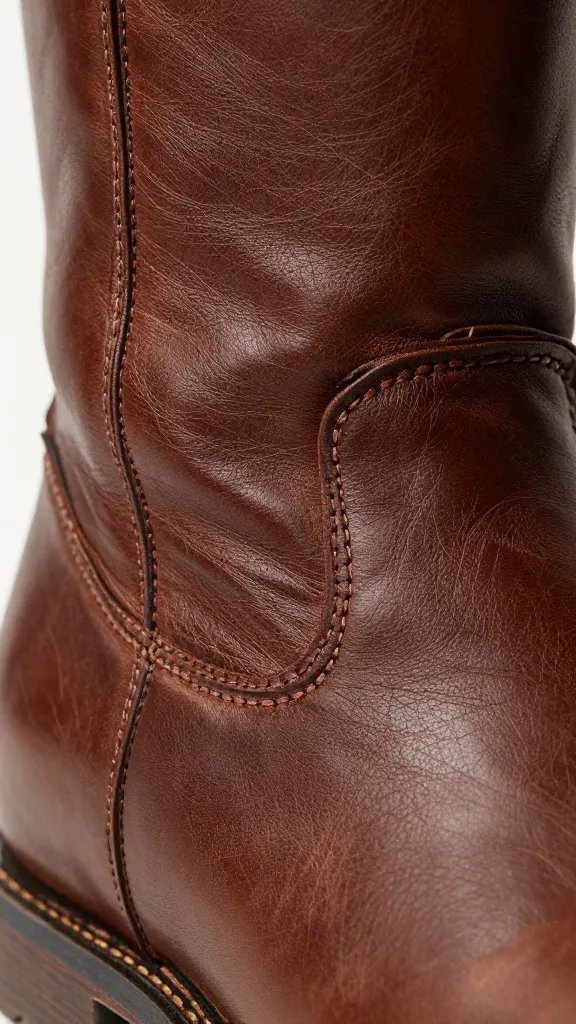
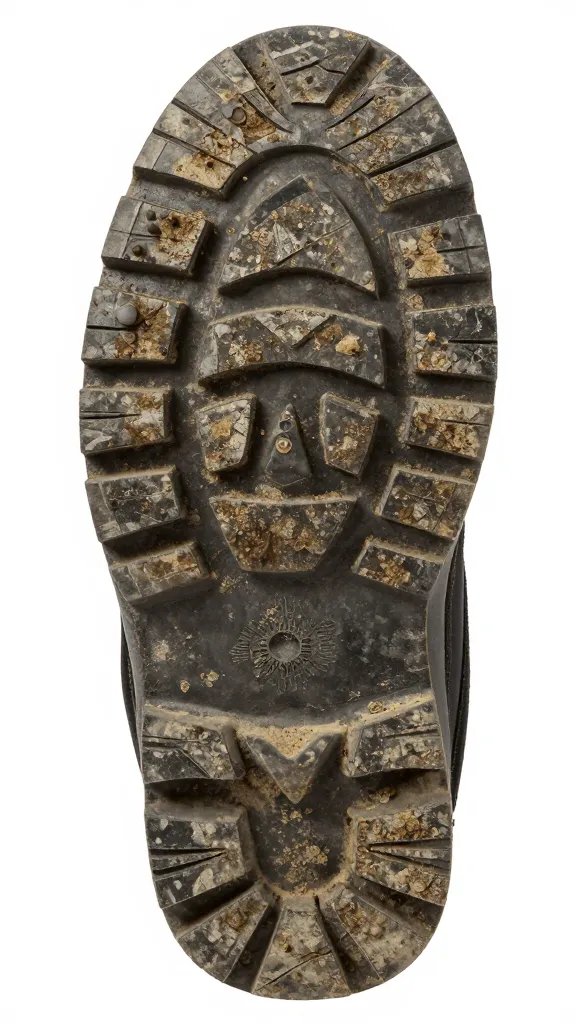
Turn the boot over and look at three things: heel cap thickness, welt stitching, and sole wear at the toe and ball. A good rule: when the heel cap is down to a thin wafer, replace it before you grind into the leather stack. If you can see daylight through the welt stitching or feel a soft spot at the ball, it’s time for a resole. I take mine in once I catch the second scuff line at the toe — that’s my personal signal, and it saves the leather.
- Leather soles wear smooth; if you slide on polished floors, ask for a thin rubber half-sole at your cobbler. It preserves the leather and adds grip.
- Rubber or composite soles are lower fuss; replace when tread is flattened, especially at the outside heel.
Storage That Doesn’t Undo Your Work
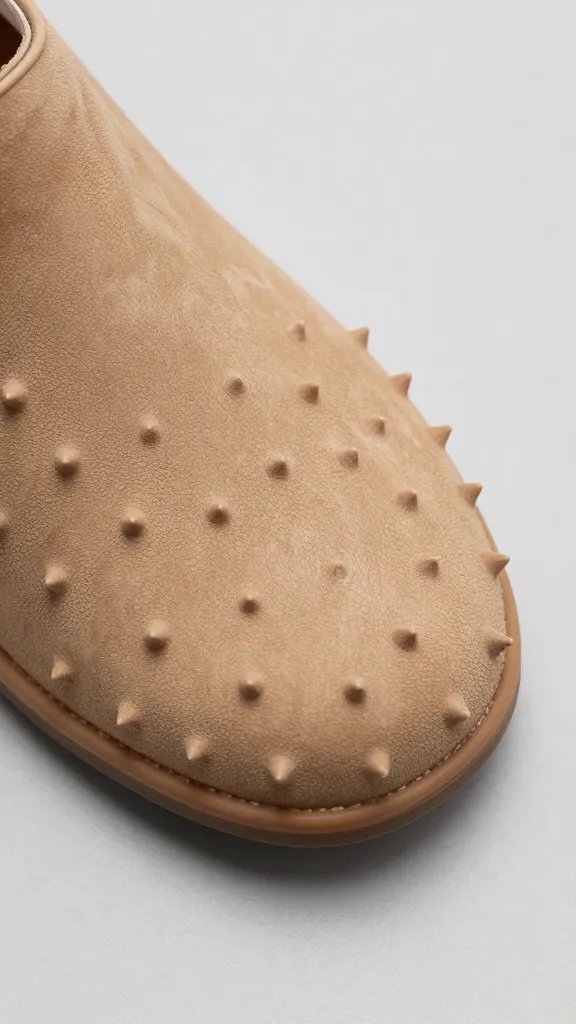
- Cool, dry, dark space — closets beat garages. Avoid heat vents and sunny windows.
- Boot trees or newspaper always. Upright, not flopped.
- Breathable bags for off-season, never plastic. A cotton pillowcase works.
- Silica packs if your closet runs humid.
I keep a shallow tray under the bench for mud season so the rest of the closet stays clean. Small habit, big payoff.
What Not To Do — The Common Ways People Ruin Boots

- Don’t use cooking oils, mink oil, or petroleum jelly. They oversoften, darken, and weaken stitching.
- Don’t dry with heat. No hair dryers, space heaters, car dashboards, or fireplaces.
- Don’t soak-clean. Buckets, hoses, and saturated cloths push water into the insole.
- Don’t overcondition. Monthly is plenty for regular wear; heavy use might need every 6–8 weeks. Greasy leather attracts dirt.
- Don’t ignore grit in the welt. That’s where stitching fails first; brush it out every time.
- Don’t store dirty. Dust is slow sandpaper. Brush before they rest.
A Simple Upkeep Rhythm You Can Keep
- After every wear: Brush, quick wipe if needed, trees in.
- Monthly: Clean and condition; buff. Suede/roughout get a brush and protectant check.
- Seasonally: Inspect soles and heels; address salt stains; refresh edge dressing.
- Yearly: Professional check for resoles or heel caps if you wear them hard.
Set it on your calendar with the same faithfulness you give the oil change. Boots are easier than trucks.
Stains and Scuffs — Quick Fixes That Work
- Dark scuffs on finished leather: Dab neutral cream polish, dry 5 minutes, buff.
- Grease spots: Sprinkle cornstarch, let sit overnight, brush off; repeat if needed before any cleaner.
- Water spots on finished leather: Lightly dampen the whole panel and let dry evenly, then condition to even the tone.
- Ink: Blot immediately; specialized ink remover only if you accept color lift. Sometimes the kindest choice is to call it patina.
Weatherproofing Without Suffocating the Leather
Use a breathable water-and-stain repellent labeled for smooth leather if you live in wet climates. Two light coats, 24 hours to cure, then condition as normal in your rhythm. For suede or roughout, use a spray made for napped leathers, brushed between coats. No product makes leather waterproof; the goal is time to get indoors before water soaks through.
My One Firm Opinion
Don’t buy cheap boots twice. Buy good ones once. A well-made pair, cared for on a normal schedule, costs less per year than two bargain pairs that fight you at every step.
Frequently Asked Questions
How often should you condition cowboy boots?
Every 2–3 months with regular wear, or when the leather looks dry and feels squeaky instead of supple. If you work in dust or sun daily, step up to every 6–8 weeks. Suede and roughout do not get traditional conditioners; they get a brush and a protectant spray.
What’s the right way to clean cowboy boots after a muddy event?
Let the mud dry, knock it off outside, then use a damp cloth with saddle soap to lift residue. Wipe clean with plain water, air-dry at room temperature, and condition once dry. Don’t scrape with metal; it gouges the finish.
Can you use waterproof spray on cowboy boots?
Yes, use a breathable spray formulated for smooth leather or for suede/roughout as appropriate. Apply two light coats with 24 hours to cure before wear. It adds resistance, not immunity; still avoid soaking.
When should I resole cowboy boots instead of replacing them?
Resole when the sole is thin at the toe or ball, the welt stitching shows wear, or the heel cap is nearly gone. Do it before you cut into the leather insole or heel stack; that’s the line between a simple resole and an expensive rebuild.
How do I care for suede cowboy boots without ruining the nap?
Brush with a suede brush after every wear, working in one direction. Treat stains with a suede eraser, and use a suede-protectant spray a few times a season. Keep oils, creams, and polishes far from suede.
What’s the best way to store cowboy boots long-term?
Clean and fully dry them, insert boot trees or newspaper, and store in breathable bags in a cool, dark closet. Add silica packs if your space runs humid. Avoid plastic bins; trapped moisture invites mildew.
Set Them by the Door and Start
Put a brush where your boots land, slip trees in tonight, and you’ve already done the hardest part: the habit. The shine and the miles will follow, one small, steady step at a time.
Keep exploring: New Cowboy Boots Guide, Suede Western Boots Cleaning Guide, and Western Wear Thrifting Guide go well with this one. If you’re still shopping for the right pair, Sadie’s cowgirl boots buying guide is worth a look too.
Questions from your closet or your truck bed are welcome — ask away in the comments and I’ll help you think it through. — love, Dottie Rae





One Comment