Western Wear Thrifting Guide — A Beginner’s Guide
Western wear thrifting gives you real-deal denim, boots, and pearl snaps without the new-price sting. I’ve pulled some of my favorite pieces out of church rummage bins and dusty consignment racks, then worn them to county fairs and wedding rehearsals without a second thought. In this guide, I’ll show you exactly what to look for, how to check condition in the aisle, and which alterations are worth paying for. By the end, you’ll know how to build a small, sturdy western wardrobe from secondhand finds that hold up to gravel lots, dance floors, and Sunday service.
Quick housekeeping: Some of these links pay the blog a little commission. It doesn’t change the price, and it’s never why something made the list.
How to Shop Secondhand: The Western Wear Game Plan
Walk in with a short list and a five-minute loop: men’s shirts, denim, outerwear, boots, then accessories. I bring a small tape measure and a tote; thirty years of barn weddings taught me that guessing sizes wastes more time than any line at the register. Aim for natural fibers and classic cuts: cotton denim, wool, silk, leather. Skip anything with trendy distressing or fake wear — real use looks honest and lasts longer. Start with one category per trip so you don’t go home with four almost-right pieces and nothing you truly needed.
Thrifting Cowboy Boots — Fit, Leather, and Soles
I own four pairs, and each one earns its shelf space. For secondhand boots, fit beats everything else: your heel should lift no more than a quarter inch, toes relaxed with no pinch. Check leather with your hands, not your eyes — it should feel firm but not dry; press a fingernail lightly in an inside seam and watch it rebound. Flip them over: leather soles wear at the toe and ball and can be resoled; rubber soles crack when they’re done. Look inside the heel for a solid counter; soft, collapsed backs don’t come back with conditioner.
What to Accept and What to Walk Away From
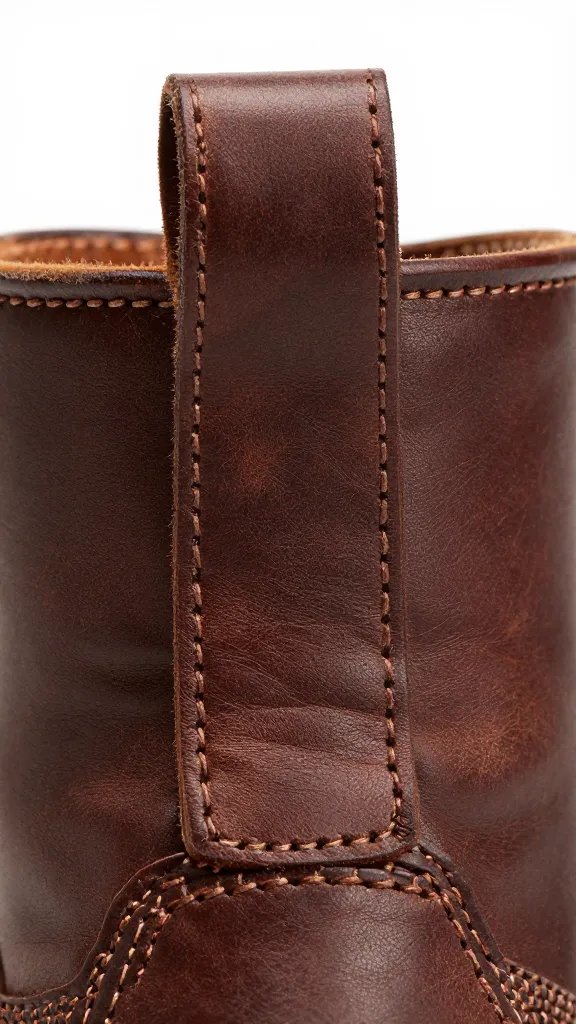
- Buy: Surface scuffs, dry but not cracked leather, worn soles with a sound welt, loose pull tabs, replaceable insoles.
- Leave: Deep ankle cracks, split welts, soles separating from the welt, mildew smell, or a broken shank (boot twists strangely in your hands).
I dried a rain-soaked pair out overnight with newspaper once and they’re still going, but that only worked because the leather had life left in it.
Denim That Works: Jeans, Skirts, and Jackets
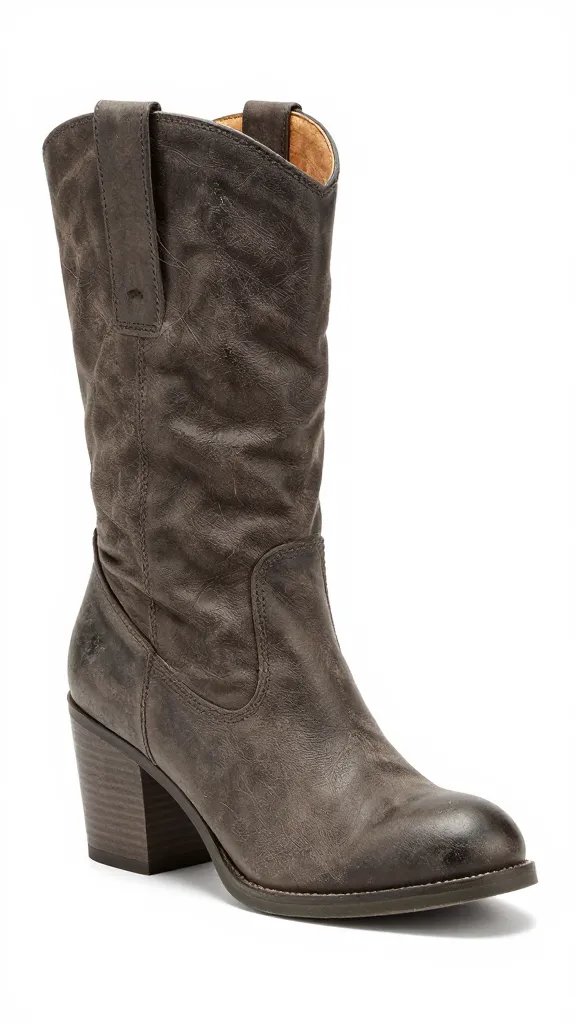
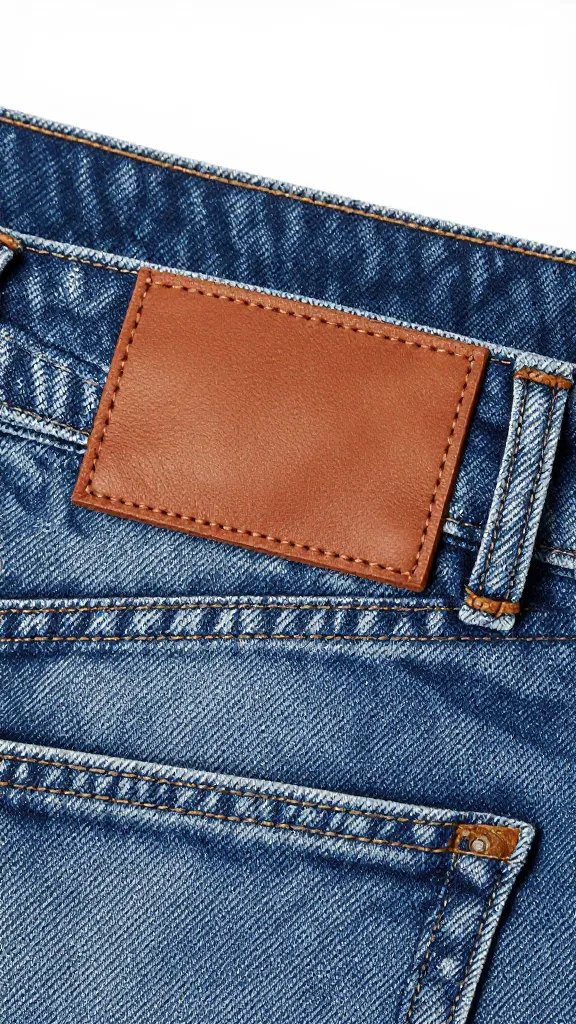
True western denim is heavy, mostly cotton, and honest about its shape. For jeans, look for a straight leg or a moderate bootcut, a mid or higher rise, and a back yoke that sits flat — I squat once in the aisle to see if the waistband stays put. Run a finger along belt loops and pocket edges; fraying there is the first fail point. For denim skirts, check the walking slit for strained stitches and make sure it lays closed when you stand. A truck-stop hem taught me: a raw hem is not a sin if the weight of the denim keeps it from curling — but a hem that tunnels or twists is a headache to fix.
Smart Denim Sizes and Labels
- Bring your hip and natural waist (in inches). Vintage sizes run smaller; numbers lie, inches don’t.
- Men’s jeans for women: subtract 1–2 inches for a closer fit at the waist and plan on a belt. The rise is longer, which many people like for riding or long drives.
- Denim jackets: size up one for layering over flannels; look for two-piece sleeves and side seams that land under your armpit, not behind it.
Pearl Snaps, Work Shirts, and Blouses
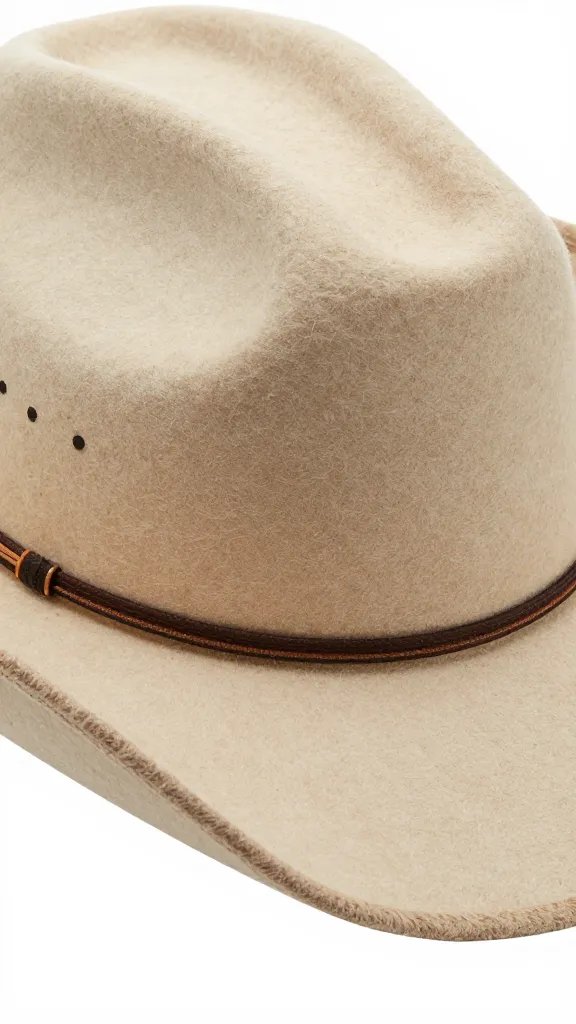
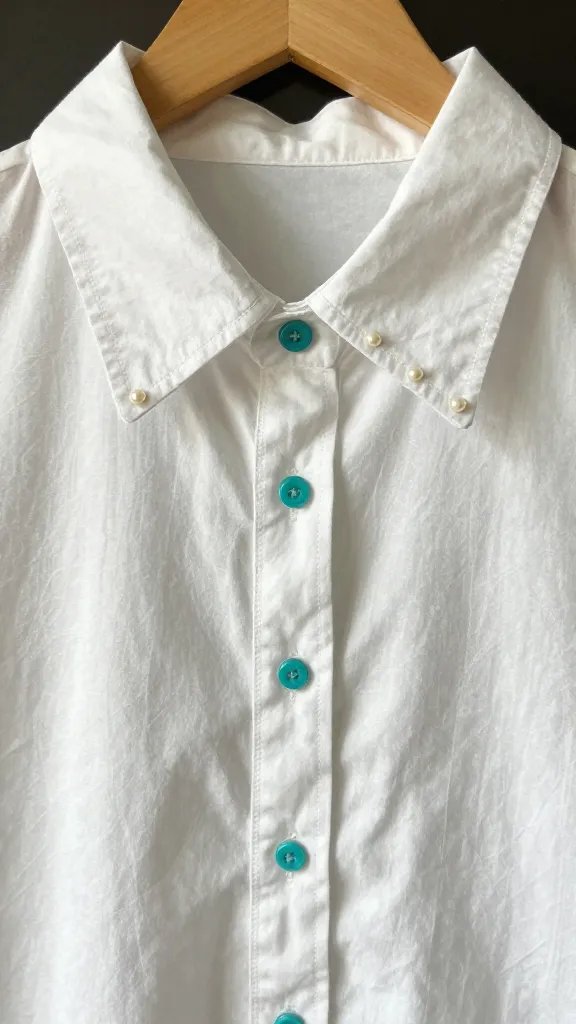
A good pearl snap earns its hanger with fabric and fit. Hold it to the light: a tight weave cotton or cotton blend won’t show pinholes. Tug each snap gently; if one pulls loose, you can replace it, but a panel full of wobbly snaps means the fabric is tired. I always check the collar tips and the underarm seams — sweat salts eat cotton there first. For silk blouses, rub the fabric between two fingers; it should glide, not squeak. Western yokes that sit level across the shoulders mean less pulling when you reach for reins, kids, or a grocery bag.
Leather Belts, Buckles, and Small Goods
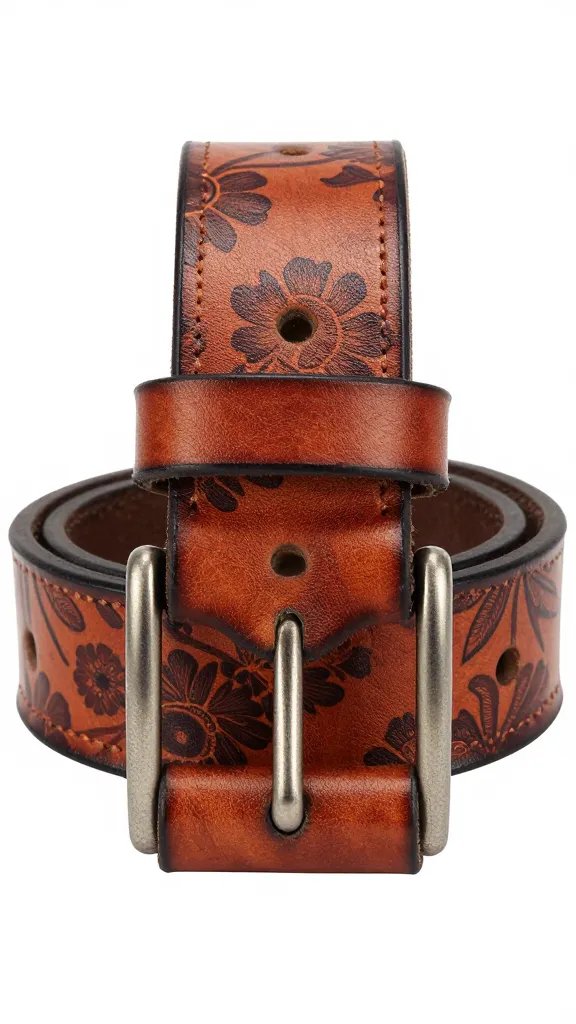
Belts are where western wear thrifting pays off quickly. Look for full-grain leather, a single piece with finished edges. Bend it into a U; if it cracks, leave it. Stitching should be tight and even; decorative tooling can hide bad seams, so run a nail along them. Buckles should feel cool and heavy; swap-on buckles with a snap back give you options. For bags and small leather goods, smell is the test — clean leather smells warm, while mildew never truly leaves.
Outerwear: Wool, Suede, and the Ranch Coat
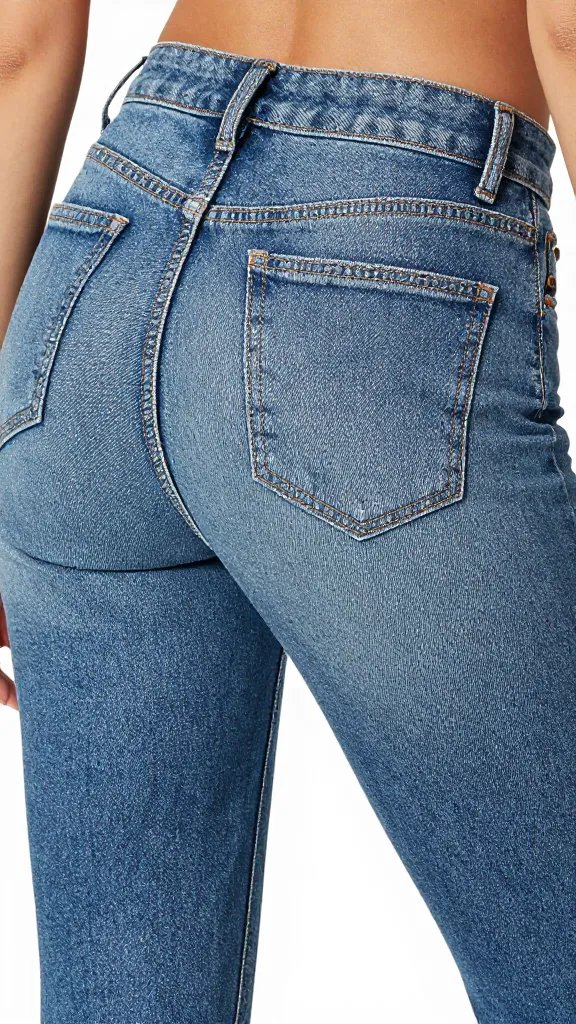
Western outerwear works hard. Wool jackets and blanket coats should feel dense in the hand; thin wool pills and leaks wind. Check cuffs and pocket edges for wear — that’s where rewoven patches show. Suede is fine if the nap is even and there are no bald spots; a suede brush can raise it again at home. Ranch-style canvas coats with quilted linings are worth a small repair bill if the shell is sound; I replaced snaps on one in a parking lot with a travel kit and wore it another five winters.
How to Check Condition in the Aisle — A Two-Minute Routine
- Measure first: Waist and inseam on denim; heel-to-toe and ball width inside boots; belt length from fold to middle hole.
- Seams second: Turn garments inside out. Look at stress points: seat seams, crotch, armholes, and pocket bags for thin spots or daylight.
- Fabric hand third: Pinch and rub. Healthy cotton feels springy, not papery. Leather feels warm, not waxy or brittle.
- Sniff test: Smoke and perfume wash out. Mildew does not. If it smells like a basement after a flood, put it back.
- Final fit check: Sit, squat, reach overhead. If it binds here, it will bind worse after an hour in a pew or a truck cab.
Cleaning and Simple Fixes You Can Do at Home
- Denim: Wash inside out in cold water, a short spin, and hang dry. Vinegar in the rinse sets dark dye and reduces rubbing.
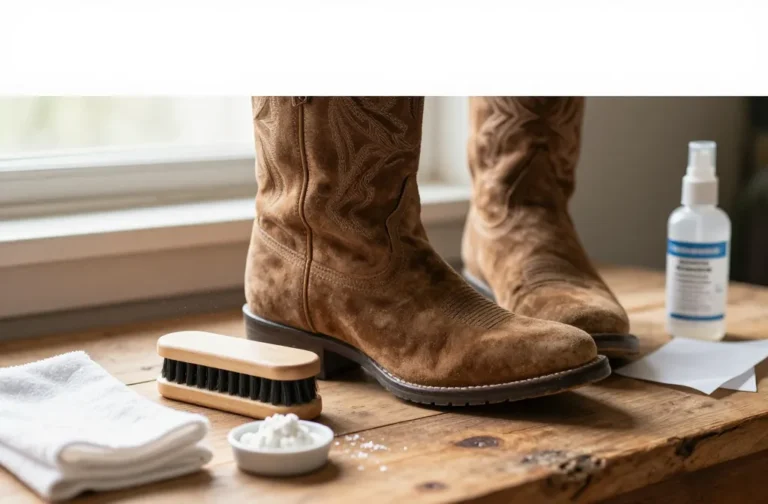
- Leather boots: Brush off dust, wipe with a damp cloth, let dry, then condition with a cream. Newspaper inside overnight fixes dampness, not soaking.
- Silk or wool: Hand wash in lukewarm water with a gentle soap, roll in a towel, then lay flat to dry. Steam to finish, never iron directly.
- Snaps and buttons: Keep a small kit: hand needles, heavy thread, extra snaps or pearl snaps, and a thimble. Ten minutes at the table saves a dry-clean ticket.
- Hems: For denim, a sturdy needle and matching thread. I’ve hemmed in a truck bed with binder clips marking length and it held fine till I set it proper at home.
What’s Worth Tailoring — and the Price Bands to Expect
Pay for the fixes that change how a piece lives on your body. Hemming jeans or trousers is usually under $30–$50. Taking in a shirt’s side seams or sleeves to remove billow, under $50 for straightforward cotton. Boot resoles are the buy-once splurge — a good pair with solid uppers deserves it. Skip anything that needs a new fly zipper, a full lining replacement, or shoulder reconstruction unless it’s a true forever piece you love.
Where to Hunt: Best Racks and Right Times
The western wear shows up where the working gear gets donated. Start with church thrift stores, charity shops in ranching counties, and consignment stores that take workwear. Look in men’s and tall sections for pearl snaps and denim jackets; better stock hides there. Early weekday mornings are quiet and freshly stocked; I’ve found my best boots within an hour of opening, right after a weekend donation run. If a shop has a clearance wall, check it last — good leather hides under mismarked tags.
Building a Thrifted Western Capsule That Actually Works
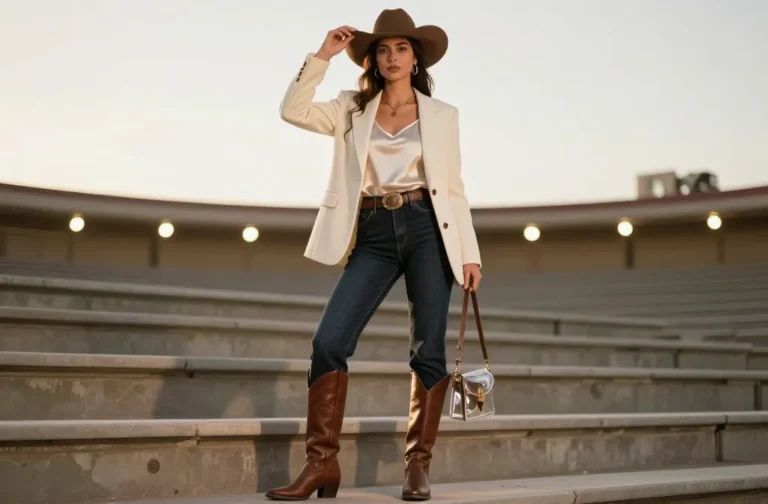
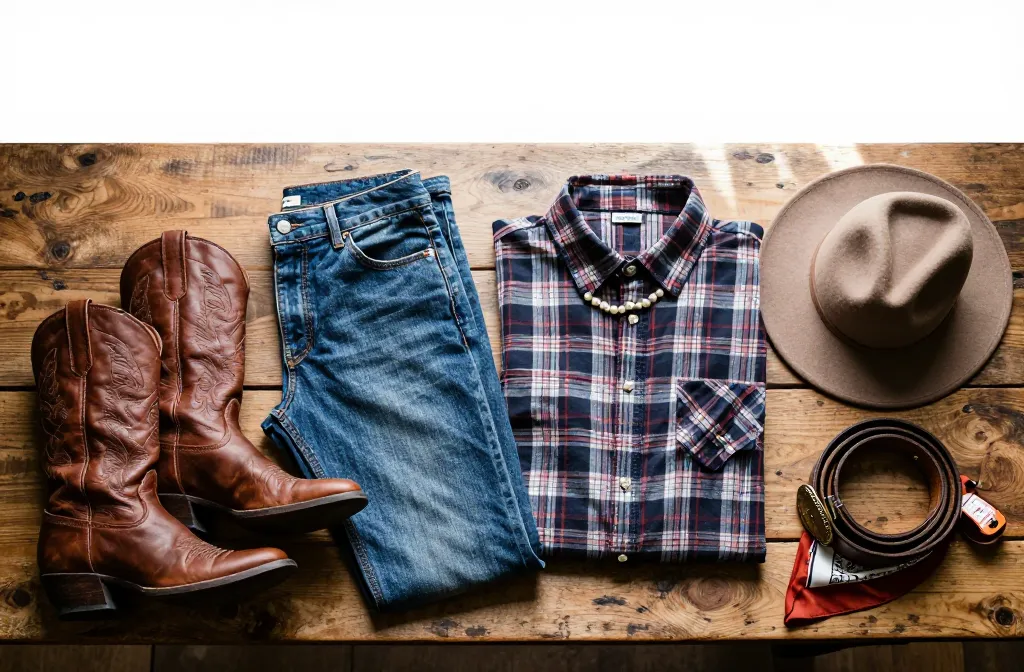
Think in outfits, not orphans. Aim for: one pair of everyday boots, one dress boot, two pairs of jeans (one dark, one faded), one denim skirt, two pearl snaps, one silk blouse, one belt with a classic buckle, one denim jacket, and one weatherproof coat. Every top should work with both jeans and the skirt; every outer layer should close comfortably over both shirts. This small set will carry you from a Saturday feed store run to a dance hall date and into a country wedding guest seat without panic.
Mistakes That Waste Money
- Buying on “almost fits” — if you’re promising yourself to lose or gain for it, leave it. Clothes should meet your life where it is.
- Forgetting the soles — pretty uppers don’t save a dead sole. Always flip the boot.
- Chasing brands, not build — a no-name full-grain belt beats a famous bonded one every time.
- Taking home smells you hate — smoke is fixable, mildew isn’t. Be strict.
- Skimping on cleaning — wash and condition the day you bring it home. Dirt is damage you can prevent.
Here’s my single firm opinion, kindly: Don’t buy cheap boots twice. Buy good ones once — secondhand if you can, with a resolable sole and leather that still has life.
Frequently Asked Questions
How do I start western wear thrifting if I don’t know my sizes?
Measure tonight: natural waist, hip, thigh, and inseam; foot length and width; belt length from buckle fold to your favorite hole. Bring those numbers and a soft tape. Try on over thin layers you can move in, and use the squat-and-reach test before you buy.
How can I tell if cowboy boots are worth the price at a thrift store?
Check the leather for flexibility without cracks, the welt for tight stitching, and the sole for even wear that can be resoled. If the uppers are sound and the fit is right, a resole turns a good secondhand pair into a years-long partner.
What’s the best way to clean thrifted western wear at home?
Denim: cold wash, inside out, hang dry. Leather: dust, damp wipe, dry, then condition lightly. Wool and silk: gentle hand wash and flat dry, then steam. Always air pieces in fresh shade for a day before storing to clear old odors.
Can I tailor thrifted pearl snap shirts without losing the western look?
Yes — ask for side seam shaping and sleeve narrowing only, leaving the yokes and snaps untouched. Keep the hem curve intact; that’s part of the silhouette. A small tuck at the center back yoke is also a clean tweak.
How do I find real-deal cowboy boots in thrift stores instead of fashion pairs?
Look for resolable leather soles, stacked leather heels, stitched welts, and sturdy pull tabs. Fashion boots often have glued soles, synthetic liners, and decorative stitching that doesn’t pass through the leather. The inside lining should feel substantial, not foamy.
Head Home With Something You’ll Actually Wear
Start with one category on your next visit — say, a belt and a pearl snap — and hold them to the two-minute aisle test. Measure, check seams, sniff, move, pay. Small wins stack fast, and a quiet, well-built wardrobe grows one good piece at a time.
Keep exploring: Cowboy Boot Care Guide and Western Capsule Wardrobe go well with this one. For the boots side of a secondhand find, Sadie’s cowboy boots outfit guide is worth a look too.
Questions or a puzzling find you want a second set of eyes on? Ask away in the comments — love, Dottie Rae