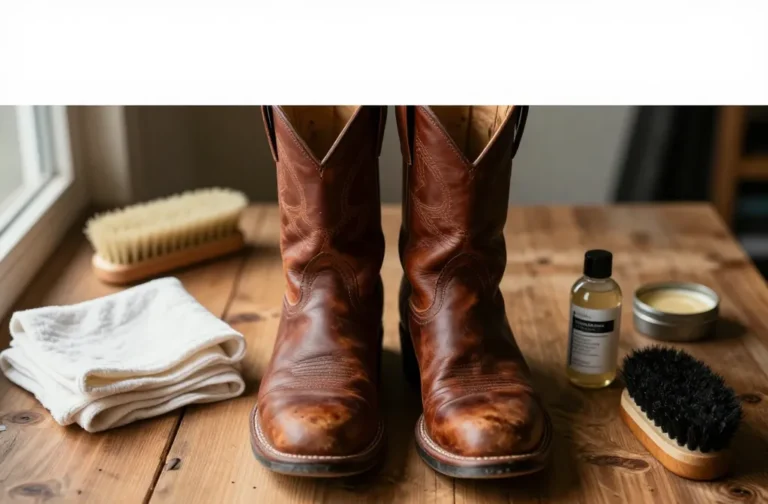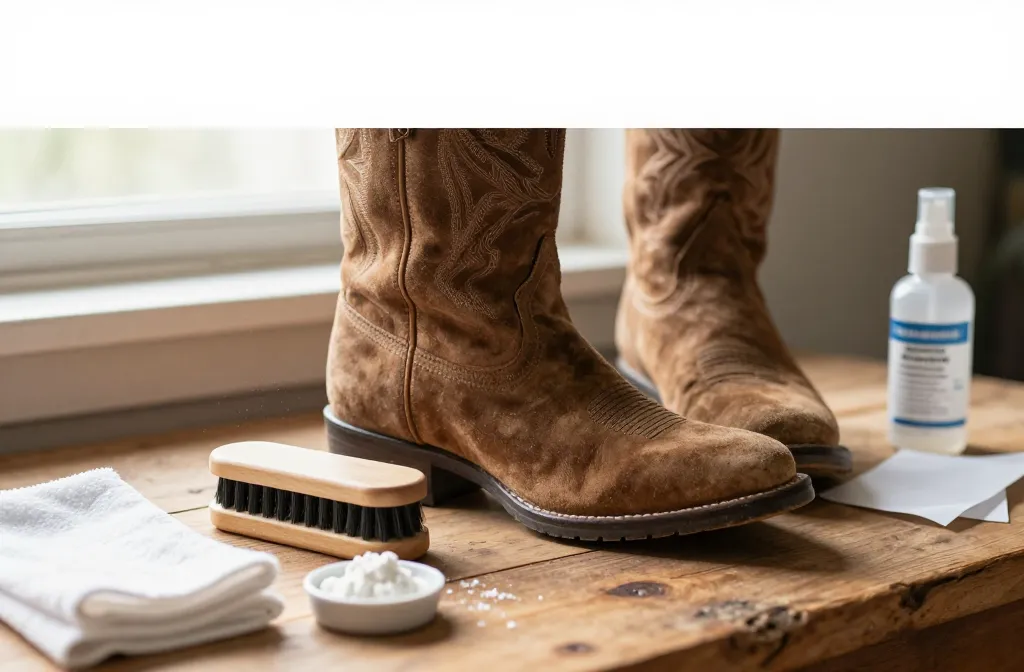
Suede Western Boots Cleaning Guide — How to Do It Right
Suede Western Boots Cleaning Guide isn’t about polishing to a shine — it’s about keeping that nap soft, the color even, and the shape sound. I’ve brushed dirt out of suede after a rodeo in a windy fairground lot and learned the hard way that water and haste will cost you nap and color. By the end, you’ll know exactly what to use, the step-by-step for light dust to deep stains, what never to put on suede, and how to set an upkeep rhythm that fits real life. This is the method I use on my own pair that sees church pews, gravel driveways, and a dance floor once a month.
Quick housekeeping: Some of these links pay the blog a little commission. It doesn’t change the price, and it’s never why something made the list.
What You Need — Simple Tools That Respect Suede
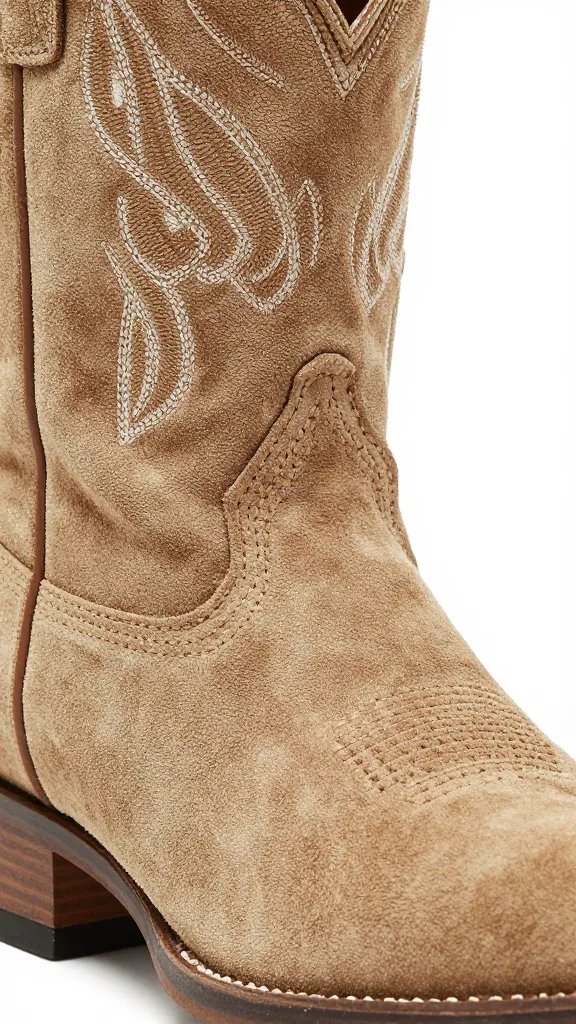
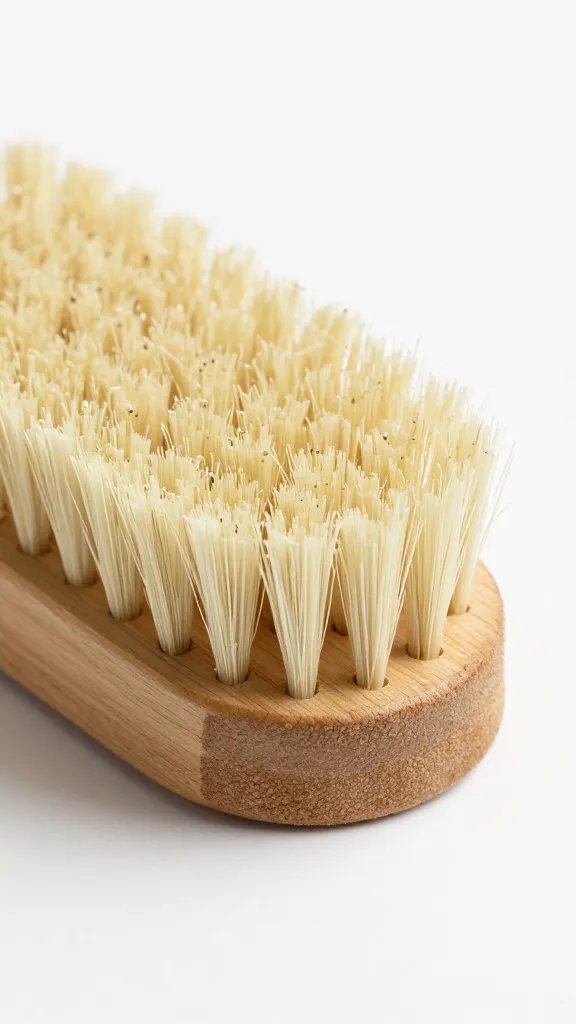
- Suede brush — dual-sided: rubber nubs or crepe on one side for lifting nap, soft brass or nylon on the other for stubborn dirt.
- Suede eraser — a rubber block that crumbles slightly; removes scuffs and sticky spots.
- Clean, white cotton cloths — for blotting and handling; colorfast so they won’t transfer dye.
- Paper towels and plain paper (no ink) or unprinted packing paper — for blotting moisture and stuffing boots to hold shape.
- Isopropyl alcohol (70%) in a small spray bottle — for salt or water marks; evaporates quickly.
- Cornstarch or talc — lifts oil stains without soaking the leather.
- Suede protector spray — a water-and-stain repellent made for suede and nubuck.
- Boot trees — cedar if you have them; rolled plain paper if you don’t.
The Method, Step by Step — From Dust to Deep Stains
- Prepare the boots. Remove laces if they’re lace-up, insert boot trees or stuff with plain paper to hold shape. Let any fresh mud fully dry before you touch it — overnight is fine. I once got impatient after a rainy parade and smeared wet clay deeper; learned my lesson.
- Dry dusting and nap lift. Using the suede brush’s soft side, brush the entire surface in short, one-direction strokes from heel to toe. This lifts the nap and pulls out surface dust. Work the seams, welts, and toe wrinkles where grit hides.
- Target scuffs and shiny spots. Rub the suede eraser on dark scuffs or shiny, flattened areas with light-to-medium pressure. Brush again to clear crumbs and re-lift the nap. If a spot stays shiny, angle your brush against the grain gently; don’t saw back and forth hard.
- Water and salt marks. Lightly mist a clean cloth with isopropyl alcohol — do not soak the boot. Dab along the edge of the stain, then feather outward to the surrounding area to avoid a hard tide line. While the area is still slightly damp, brush the nap up. Let air-dry away from heat for at least an hour, then brush again. I’ve used this on winter salt rings and spring puddle marks with good results.
- Oil and grease stains. Cover the spot with a thin layer of cornstarch or talc. Press gently with your fingertip to seat the powder, then leave it for 6–8 hours. Brush away. Repeat once if needed; more than twice risks flattening the nap.
- Mud, clay, and stubborn dirt. After mud is bone-dry, crack off chunks with your fingers, then use the firm side of the brush to work out the dust. For red clay shadows, a second pass with the eraser, then brush, usually does it. If not, use the alcohol-damp cloth method above on the stained area only.
- Edge and welt care. Wipe the edges and welts with a barely damp cloth to lift caked grit. Keep moisture away from the suede upper. Grit left in the welt acts like a tiny saw every time you walk.
- Even the nap. Finish with a full-boot brush in one direction so the color reads uniform. Check toes, counters, and pull straps for missed spots.
- Protect. In a well-ventilated space, apply a light, even coat of suede protector spray from about 8–10 inches away. One pass only — you should not see wetness or darkening. Let dry one hour, then do a second light coat. I re-proof after any deep clean and before a forecasted wet weekend.
What Not to Do to Suede Western Boots
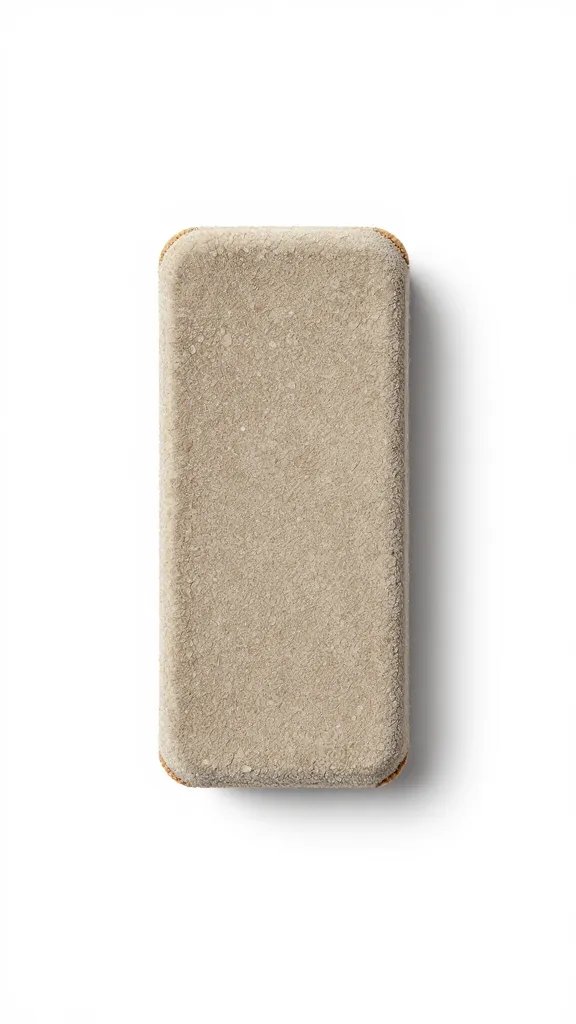
Do not use saddle soap, oils, or regular leather conditioner — they flatten fibers and darken suede permanently. Do not scrub suede with water like it’s canvas; you’ll raise tide lines and hard patches. Do not use colored cloths or printed newspaper for stuffing or blotting; ink can transfer under pressure. Do not dry by a heater, in the sun, or in a hot car — heat sets stains and shrinks fibers. Do not polish — wax clogs the nap. And do not store dirty; dust turns to grime when it sits.
Routine Care Rhythm That Keeps Suede Honest
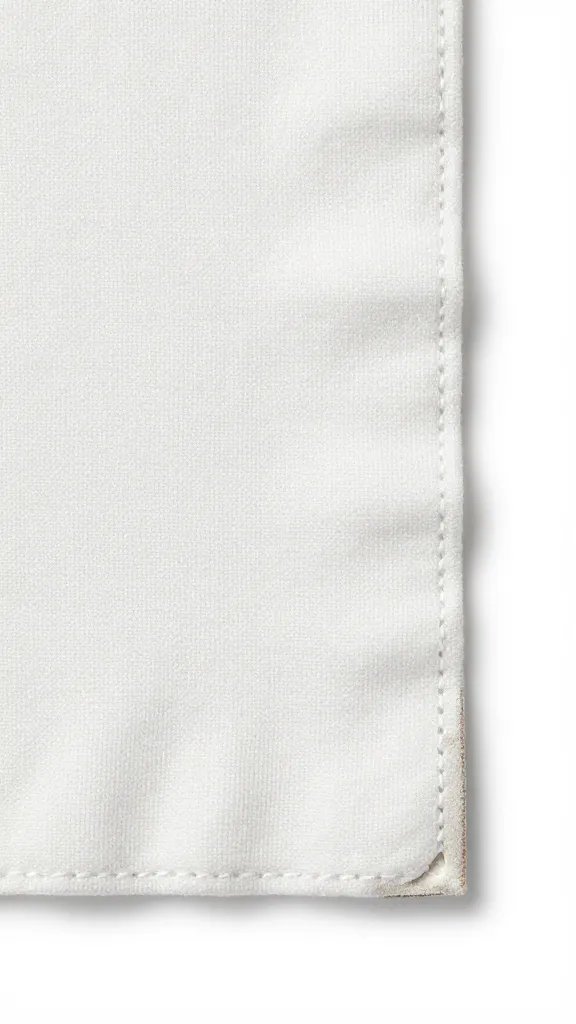
Thirty years of barn weddings taught me that small, regular care beats big rescues every time. Here’s a rhythm that takes minutes, not hours.
After Any Dusty Wear
- Brush boots all over before they go in the closet — 45 seconds does it.
- Stand them upright with boot trees or paper to keep the shafts from slumping.
After Wet Weather
- Blot moisture with a white cloth; don’t rub.
- Stuff with plain paper to help them dry in shape. I dried a soaked pair with paper by a fan overnight and saved the silhouette just fine.
- When dry, brush, then touch up with alcohol on any tide marks, brush again, and re-proof with one light coat of protector.
Monthly (or Every 4–5 Wears)
- Full brush and eraser session on toes, counters, and pull areas where hands touch.
- Check welts for grit and brush it out.
- Light mist of protector if you’re heading into travel or a stormy spell.
Seasonal
- Deep clean following the steps above, then two light coats of protector.
- Rotate insole liners if your boots take them; dry liners in open air.
- Look for stitch wear at the toe and heel. Catching loose stitches early is cheaper than replacing a welt.
Reviving Old, Flattened Suede Western Boots
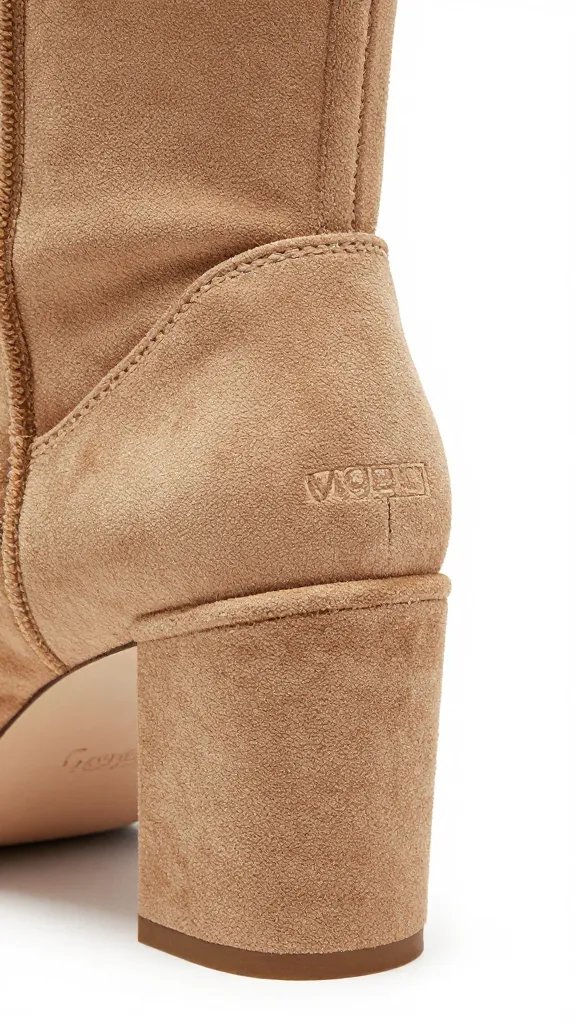
If your boots look shiny and tired, start with a thorough brush to wake the nap. Use the eraser on every shiny panel, not just spots — toes, outer shafts, heel counters. Lightly mist a cloth with alcohol and pass over panels one by one, brushing immediately as the alcohol flashes off. Let dry fully and brush again. Finish with protector. I brought a decade-old pair back to life this way before a county fair; they didn’t look new, but they looked cared for, which reads better than new anyway.
Dealing with Color Transfer, Dye Rub, and Darkening
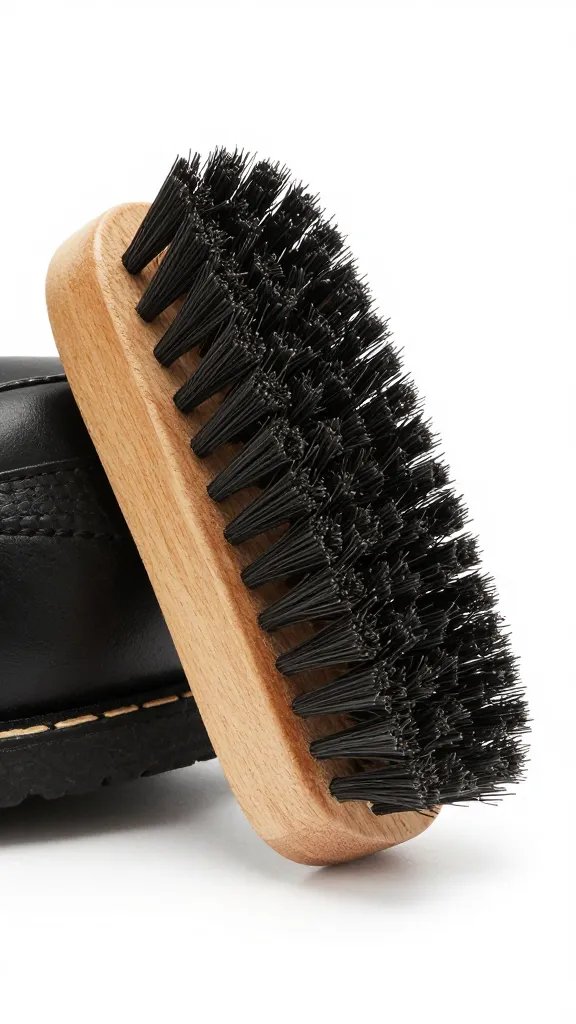
Dark jeans can bleed onto light suede, especially along the shaft. First, dry-brush the blue haze. If it remains, use the eraser lightly — heavy pressure can drive dye deeper. A gentle alcohol feather can lift the edge of the stain, but know this: deep indigo transfer rarely disappears completely. This is where prevention matters — protector spray helps, and tucking jeans inside the boot when you’re in the truck or sitting cuts friction. I keep one lighter pair for dresses and one darker pair for denim days to spare myself the fuss.
Waterproofing and Weather Reality
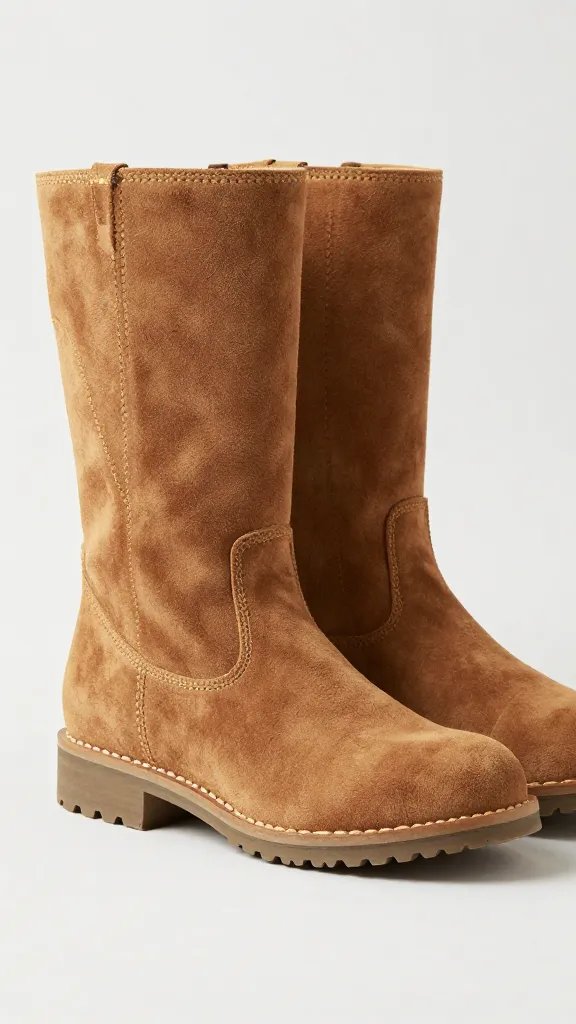
Suede is not a rain boot, but you can give it a fighting chance. A good suede protector makes water bead and buys you time to blot. Apply two thin coats 24 hours before you need them in wet grass or light rain. If you expect real mud, wear something you won’t mourn. And if you get caught anyway, blot, stuff, air-dry, brush, and re-proof — that sequence preserves more nap than anything else I know.
Storage That Protects Shape and Nap
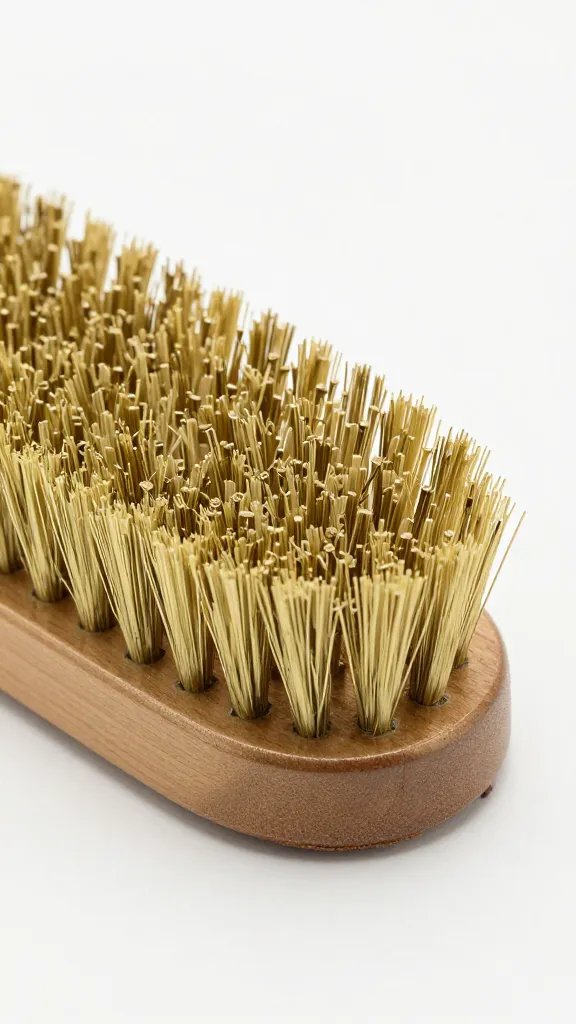
Store suede Western boots clean, dry, and upright. Boot trees or rolled plain paper keep the shafts standing and the vamp smooth. Keep them out of sunlight to prevent uneven fade. If you store in bags, use breathable cotton, not plastic. I’ve ruined suede with a summer of trunk heat once; the nap felt like felted wool by August. A cool closet shelf is worth finding room for.
When to Call a Cobbler — And What They Can Actually Do
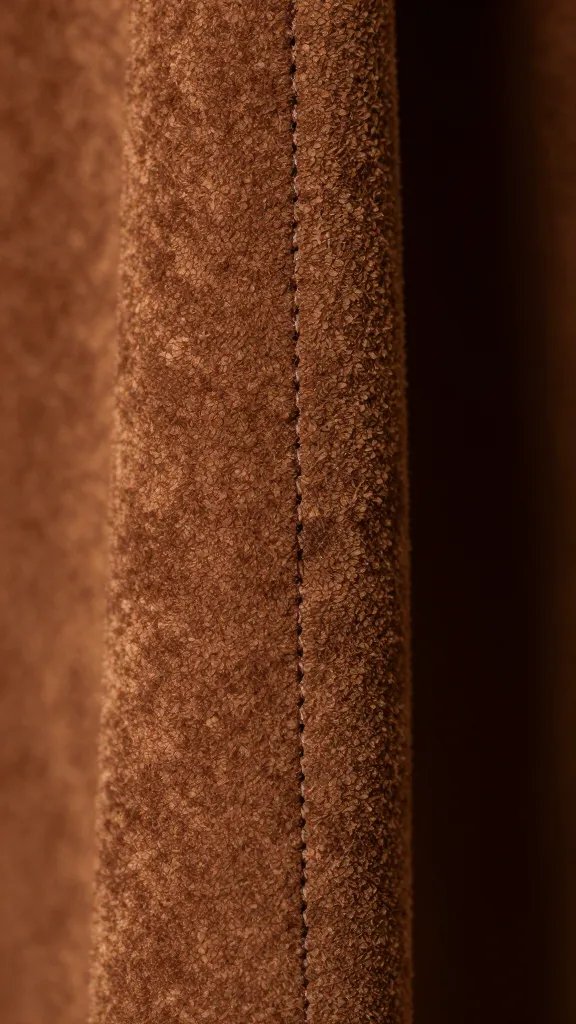
A competent repair shop can replace heels, re-stitch welts, and steam-lift nap modestly. They cannot un-oil suede, remove set grease completely, or reverse sun fade. If you see cracked stitching at the toe or a heel cap worn to the stack, go sooner than later; walking on damage spreads it. Ask for suede-safe handling and confirm they won’t “condition” the uppers like smooth leather.
The One Firm Opinion
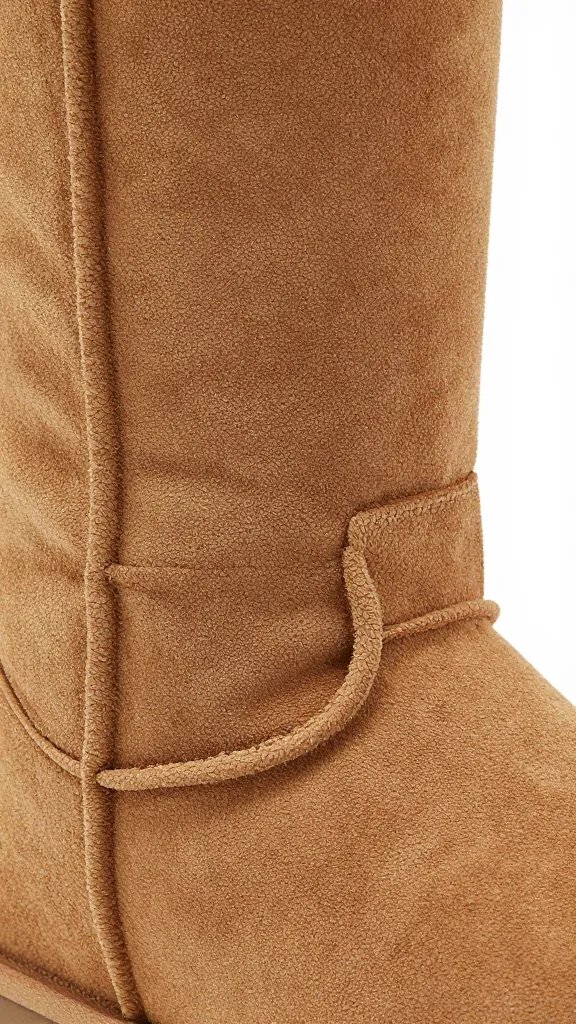
Don’t buy cheap boots twice — buy a well-made suede pair once and learn this simple care routine; quality plus upkeep beats bargain replacements every single time.
Mistakes That Ruin Suede Western Boots
- Soaking stains — water rings become permanent if you flood the area; always feather with fast-evaporating alcohol instead.
- Heat drying — radiators, hair dryers, car dashboards set stains and stiffen fibers.
- Heavy-wire brushing — too-stiff brushes cut the nap; use suede-specific tools.
- Oil-based products — leather oils, conditioners, and polishes darken and flatten suede for good.
- Skipping protection — unprotected suede grabs spills and dye transfer instantly.
- Storing slumped — shafts crease, collars collapse, and the toe box warps without support.
Frequently Asked Questions
How do I clean suede western boots after they get muddy?
Let the mud dry completely, even overnight. Crack off chunks with your fingers, then brush with the firm side of a suede brush to remove remaining dust. Finish with the eraser on lingering marks and a full, gentle brush to even the nap. Protect with two light coats once they’re clean and dry.
What’s the best way to remove water stains from suede western boots?
Use 70% isopropyl alcohol on a cloth, lightly dampened, to feather the stain’s edge and blend into the surrounding suede. Brush the nap while it dries, then again when fully dry. Avoid plain water — it dries slowly and leaves tide lines.
Can I use a regular leather conditioner on suede boots?
No. Oils and creams collapse the nap and darken suede beyond fixing. Stick to suede-specific tools: brush, eraser, and a proper suede protector spray. If the suede was oiled by mistake, a cobbler cannot reverse it.
How often should I spray protector on suede Western boots?
After any deep clean, and then every month with regular wear or before wet weather and travel. Apply two thin coats, 8–10 inches away, with at least an hour to dry between coats. Re-proof sooner if you notice water no longer beading.
What removes grease stains from suede boots without ruining them?
Cover with cornstarch or talc for 6–8 hours to draw out oil, then brush away. Repeat once if needed. Avoid liquid degreasers; they spread the oil and set edges.
Can I fix dye transfer from jeans on light suede?
You can lighten it with an eraser and careful alcohol feathering, but deep indigo may never vanish fully. Protect beforehand and limit friction by wearing lighter denim or tucking jeans when seated. Keep a darker suede pair for denim-heavy days if color transfer is a regular issue.
Take a Breath and Start with the Brush
You don’t need a workshop to keep suede honest — just a brush, ten quiet minutes, and the discipline to let mud dry before you touch it. Set your boots by the door tonight, put paper in the shafts, and give them a gentle once-over. The rest follows easy from there.
Keep exploring: Cowboy Boot Care Guide and New Cowboy Boots Guide go well with this one. If you’re still shopping for the right pair, Sadie’s cowgirl boots buying guide is worth a look too.
Questions I didn’t cover? Ask me in the comments and I’ll help you sort it out — love, Dottie Rae