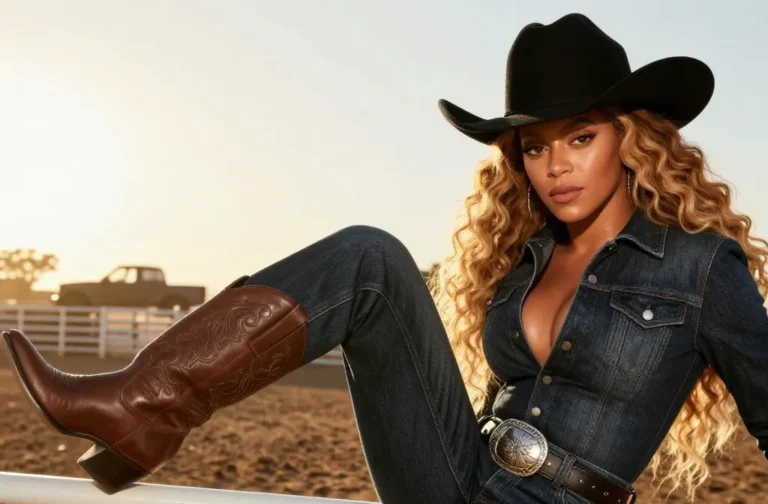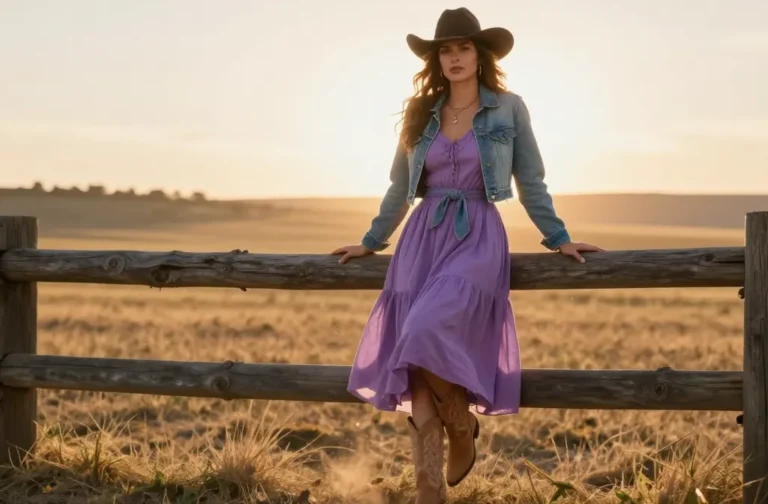
Cowgirl Era Style Guide — What It Means & How to Wear It
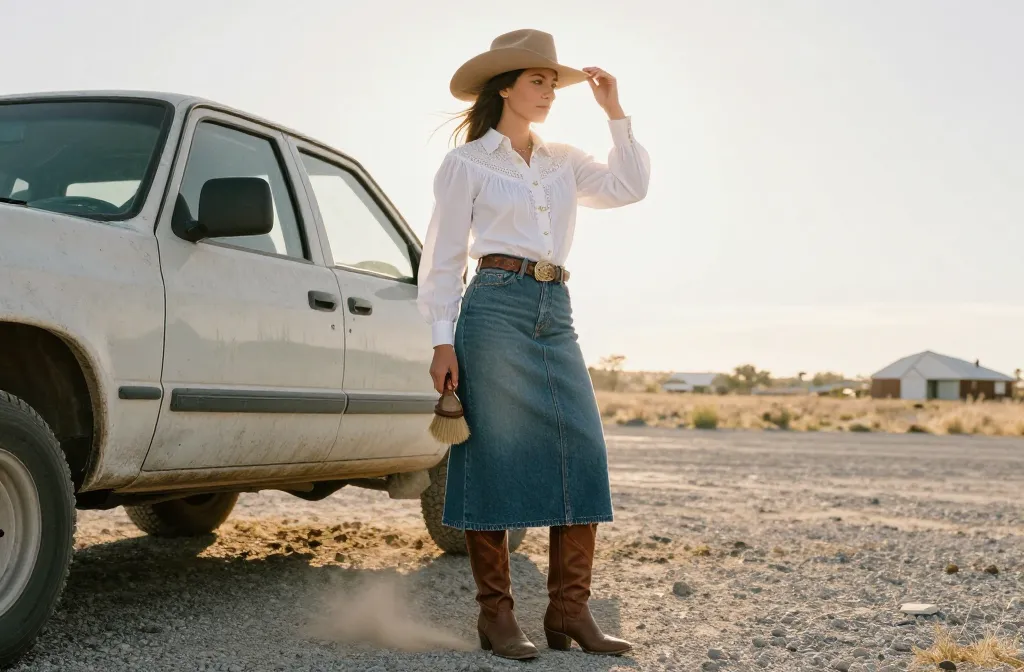
Cowgirl Era style is not a costume; it is a way of dressing that works from the dance hall to the feed store and back to church on Sunday. I learned that standing in a gravel church lot, brushing dust off a denim skirt while the wind tugged at my hat — your clothes should earn their keep and hold up to real life. By the end of this guide you’ll know exactly what Cowgirl Era style means, the pieces worth buying once, and how to wear them three ways. You’ll also have a short list of what to skip so your money stays in your pocket and your closet stays useful.
Quick housekeeping: Some of these links pay the blog a little commission. It doesn’t change the price, and it’s never why something made the list.
What Cowgirl Era Style Really Means
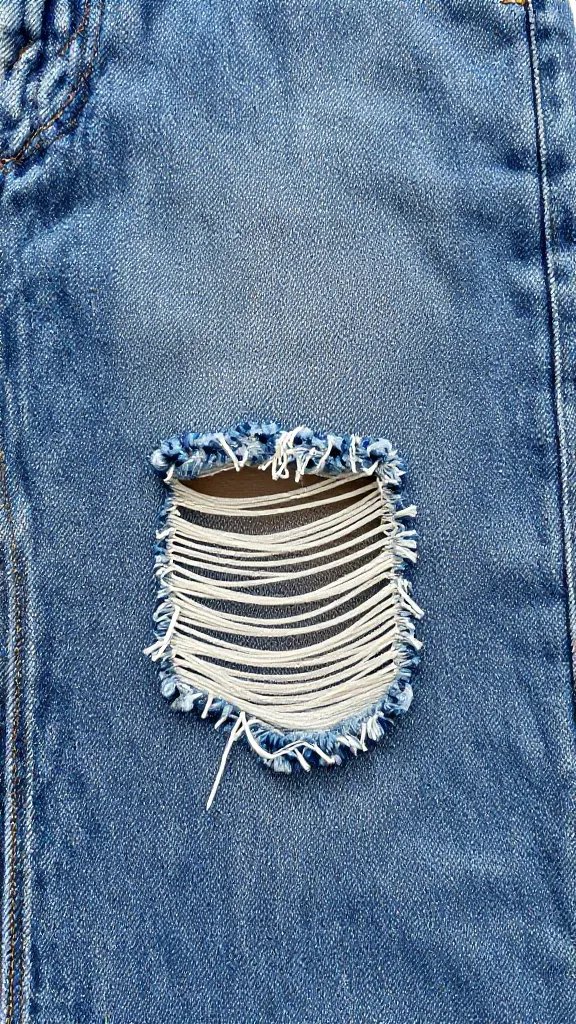
This style is built on three things: function, heritage shapes, and a touch of polish. Think sturdy fabrics and clean lines that still move: denim with a real hem, cotton poplin that irons flat, leather that breaks in rather than breaks down. It borrows proven Western elements — a pointed yoke, a pearl snap, a stacked heel — and pairs them with everyday pieces you already own. When I reach for it, I’m asking, “Will this stand on gravel, sit a church pew, and handle a two-hour drive?” If the answer is yes three times, it’s in.
Cowgirl Era Tops — From Pearl Snaps to Everyday Button-Downs
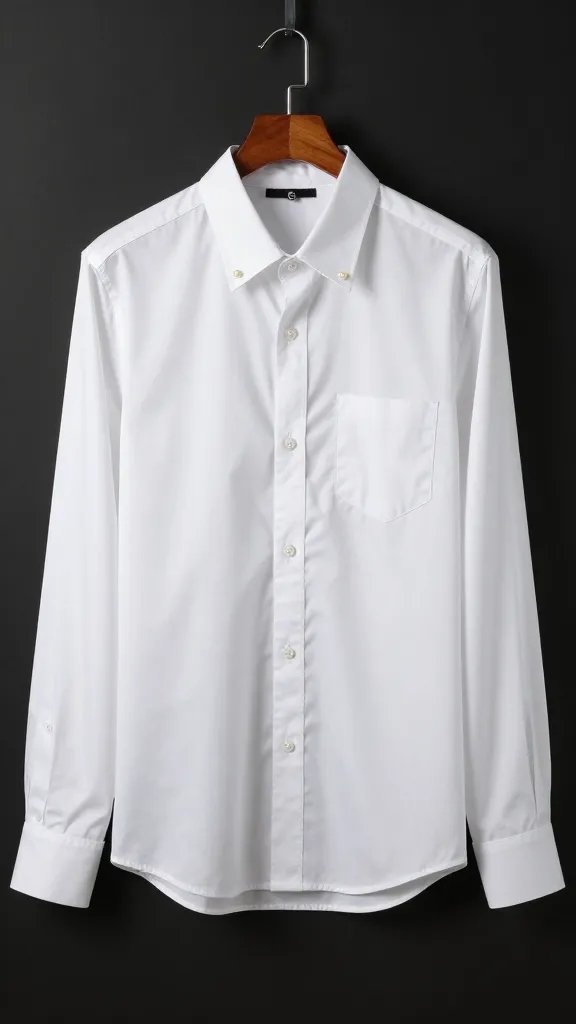
A good shirt holds the whole look together. For true Cowgirl Era style, reach for western shirts with a pointed yoke and pearl snaps in cotton poplin or lightweight chambray; they iron smooth, breathe, and age well. A denim shirt in a mid-wash works hard year-round: tuck it into a skirt, wear it open over a tank, or knot it at the waist with high-rise jeans. For dress-up, a silk blouse or a pleated poplin shirt adds polish under a blazer or over a leather skirt without slipping into costume. I learned after one rainy county fair that synthetic satin clings and shows water spots — leave that on the rack.
How to Wear These Three Ways
- Workday: chambray shirt, straight jeans, roper boots, braided leather belt.
- Date night: silk blouse, dark denim skirt, ankle boots, simple hoop earrings.
- Wedding guest (semi-formal): crisp poplin button-down, bias-cut midi skirt, dress boots, concho belt kept narrow.
Cowgirl Era Bottoms — Jeans and Skirts That Do Their Job
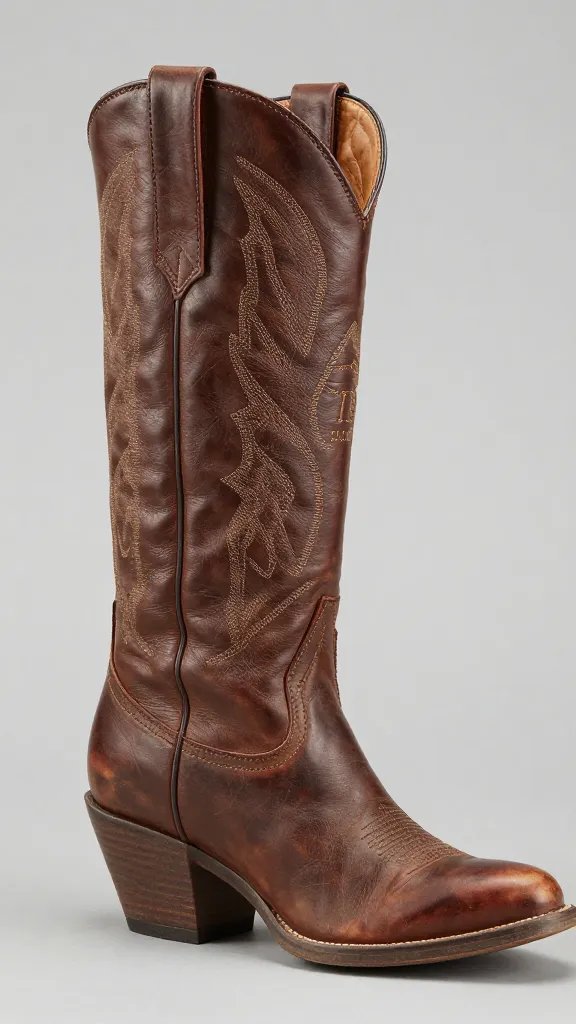
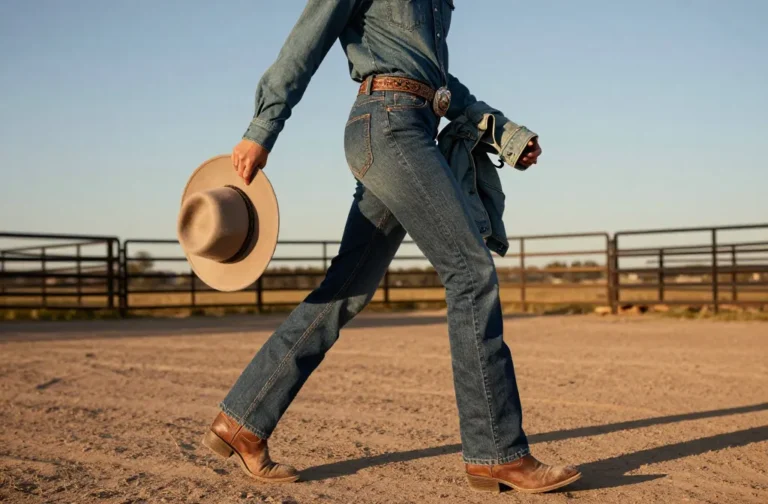
Denim is the backbone. Choose straight-leg jeans or a bootcut jean with a mid to high rise; avoid extreme distressing. A denim skirt at knee to midi length with a true hem, not a stringy raw edge, looks grown and handles a pew or a pickup seat. For evenings, a suede skirt or bias satin skirt (matte, not shiny) pairs beautifully with boots. I’ve hemmed a bridesmaid dress in a truck; a clean hem you can trust is worth its weight in patience.
How to Wear These Three Ways
- Rodeo stands: bootcut jeans, tucked western shirt, belt with a regular buckle, tall boots.
- Office Friday: dark straight jeans, fine-gauge sweater, low-heel roper boots.
- Reception: midi denim skirt, fitted knit top, dress boots, slim leather belt.
Cowgirl Era Dresses — Easy, Durable, and Dancable
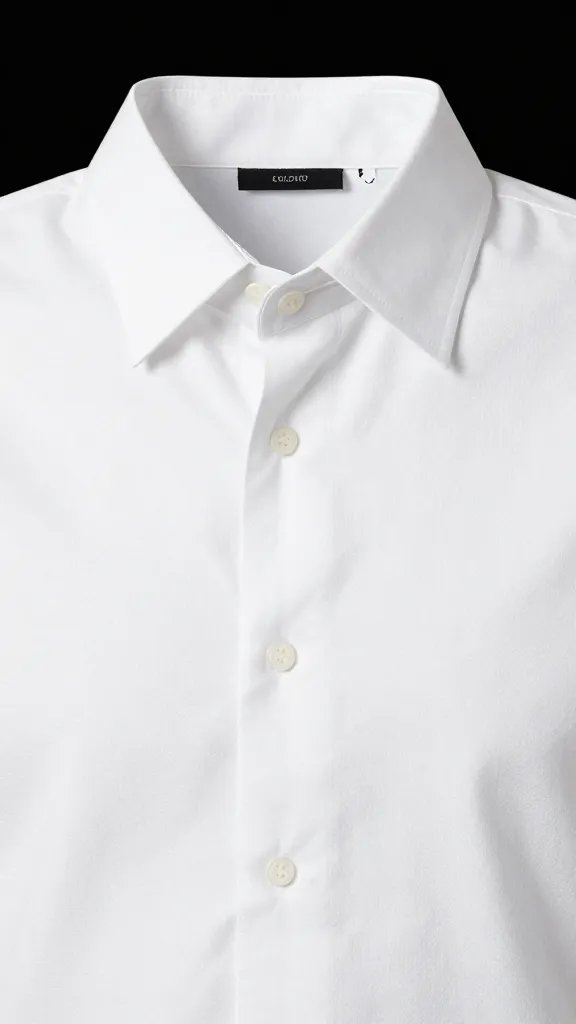
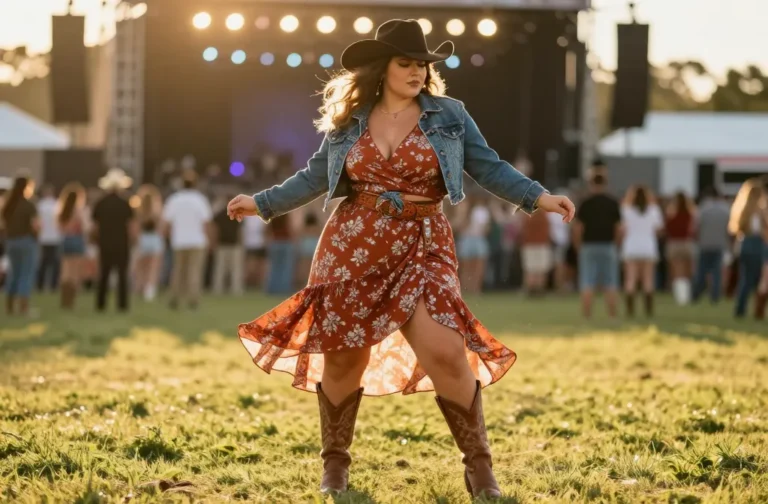
Choose shirt dresses in cotton poplin, wrap dresses in matte jersey, or denim dresses with structure. Aim for sleeves you can push up, a skirt you can sit in, and a neckline that doesn’t argue with a scarf. Florals work when the print is small and the fabric is substantial. I’ve dried rain-soaked boots with newspaper overnight and gone to the wedding anyway; a dress that doesn’t wrinkle into a mess when plans change will save your evening.
How to Wear These Three Ways
- Daytime: chambray shirt dress, leather belt, ankle boots, straw hat.
- Evening: wrap dress, tall dress boots, silver cuff, wool blazer over your shoulders.
- Travel: knit midi dress, denim jacket, slip-on ropers, cotton bandana for hair or neck.
Cowgirl Era Outerwear — Jackets That Earn Their Hanger
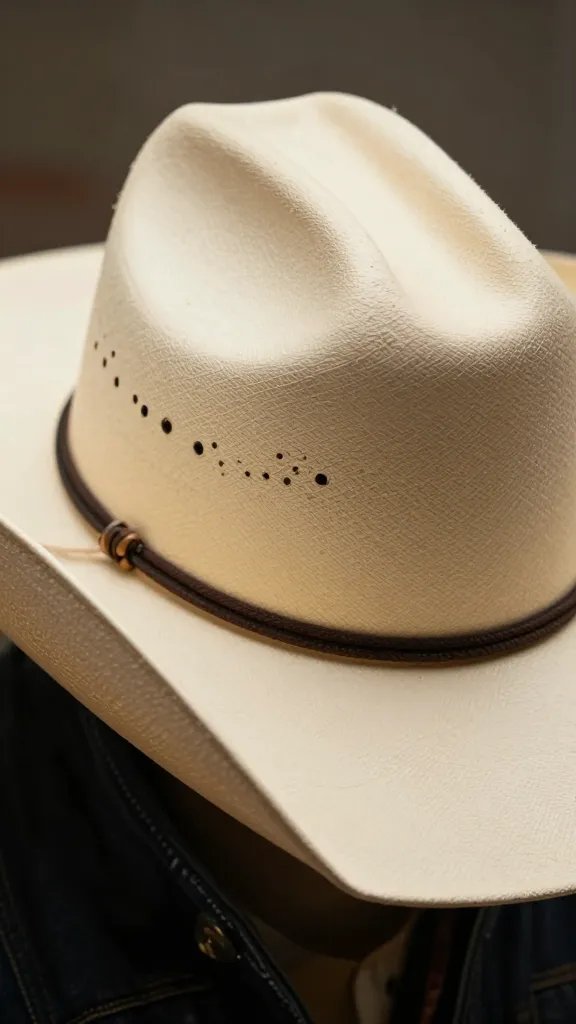
Keep two: a denim jacket that hits at the hip and a wool blazer with room for a sweater. Add one weather piece: a waxed canvas jacket or a suede trucker if you’re dry and careful. The line to watch is bulk; layers should stack without bunching at the forearm or fighting your bag straps. Thirty years of barn weddings taught me that a blazer with real pockets is the difference between elegant and frazzled — lipstick, card, phone, done.
Cowgirl Era Footwear — Boots, Heels, and When to Wear Which
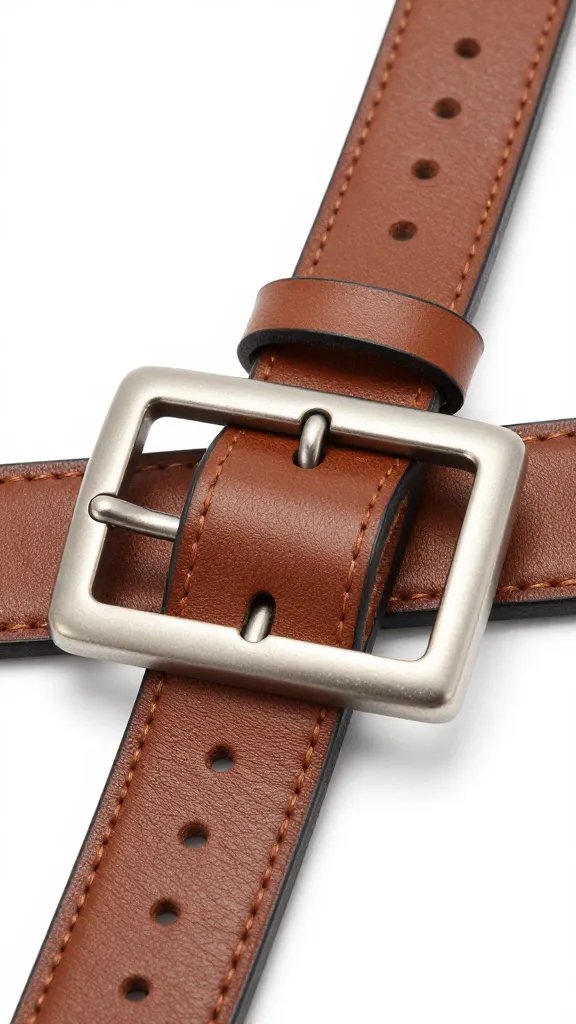
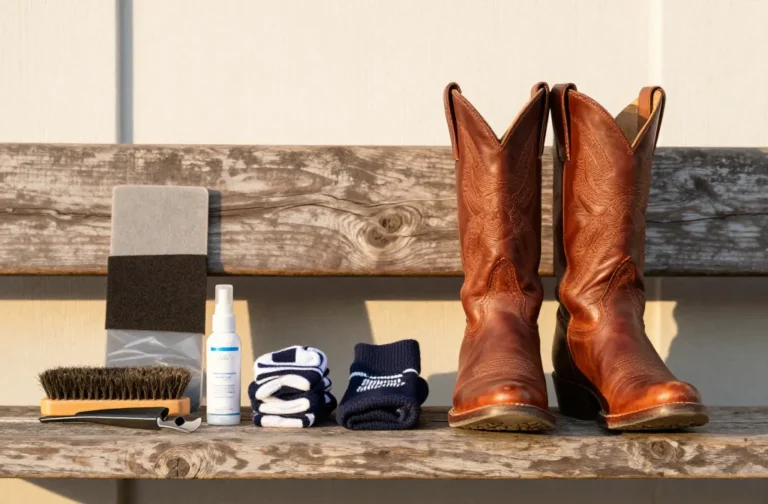
You need two pairs of boots at minimum. Ropers for daily mileage: low heel, round toe, smooth stride. Dress boots for church and evenings: medium heel, refined toe, clean stitching. If heels are your lane, a stacked-heel sandal or a closed-toe pump in tan or black leather bridges Western and city nicely. Don’t buy cheap boots twice. Buy good ones once. I own four pairs and can defend each one because they cover work, weather, and weddings with no overlap.
How to Wear These Three Ways
- Daily: ropers with straight jeans and a tee plus denim jacket.
- Dressy: tall dress boots with a midi skirt and silk blouse.
- Summer: stacked-heel sandals with a cotton shirtdress; carry boots in the truck if the dance floor calls.
Cowgirl Era Accessories — Belts, Hats, and Jewelry That Belong
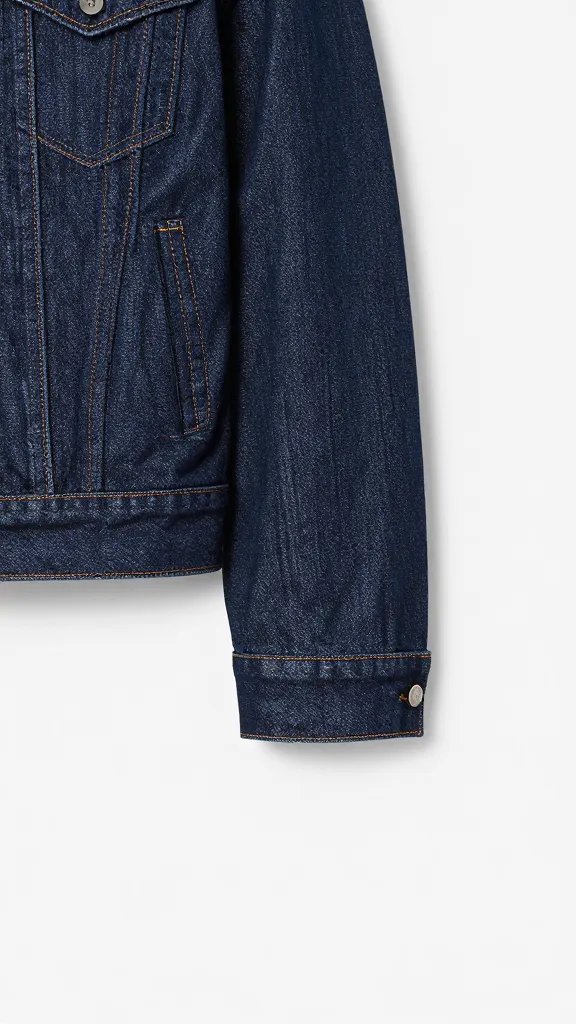
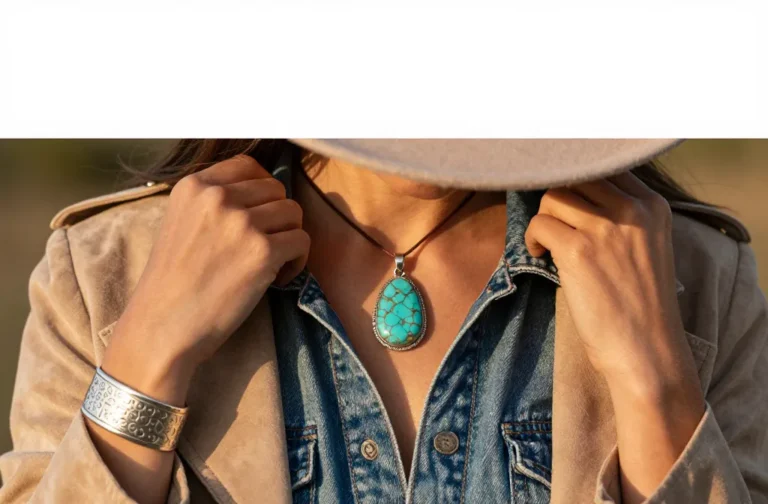
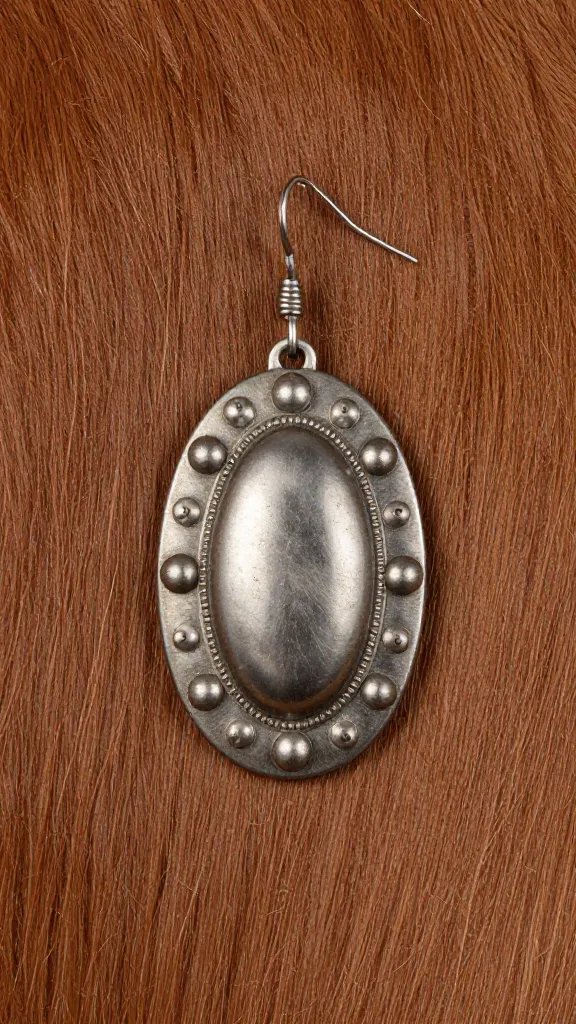
Keep accessories useful first, pretty second. A leather belt in brown or black with a modest buckle goes with everything; save statement buckles for evenings. A wool felt hat holds shape for dress, while a straw hat is for sun and sweat. Jewelry stays sturdy: a silver cuff, turquoise studs, or a simple pendant. I wore a too-wide belt to a reception once and spent an hour re-tucking my shirt — scale matters more than scrollwork.
How to Wear Cowgirl Era Style at Work, on Weekends, and for Weddings
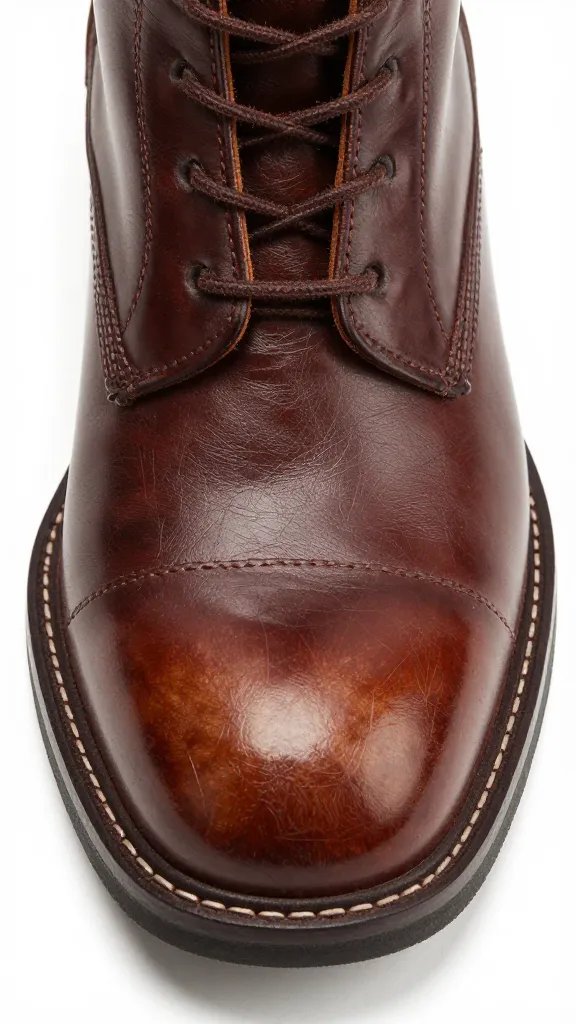
At work, keep textures clean: dark denim (if allowed), crisp button-down, wool blazer, low-heel ropers. On weekends, loosen the edges: chambray, broken-in straight jeans, straw hat, canvas tote. For weddings, aim soft and respectful: silk or matte dress, dress boots, felt hat if outdoors, and a shawl or blazer that reads evening. I’ve stood in more grassy aisles than I can count; a block heel and a skirt you can step into a truck with will always beat anything fussy.
Fabric and Fit — The Quiet Parts That Make It Look Right
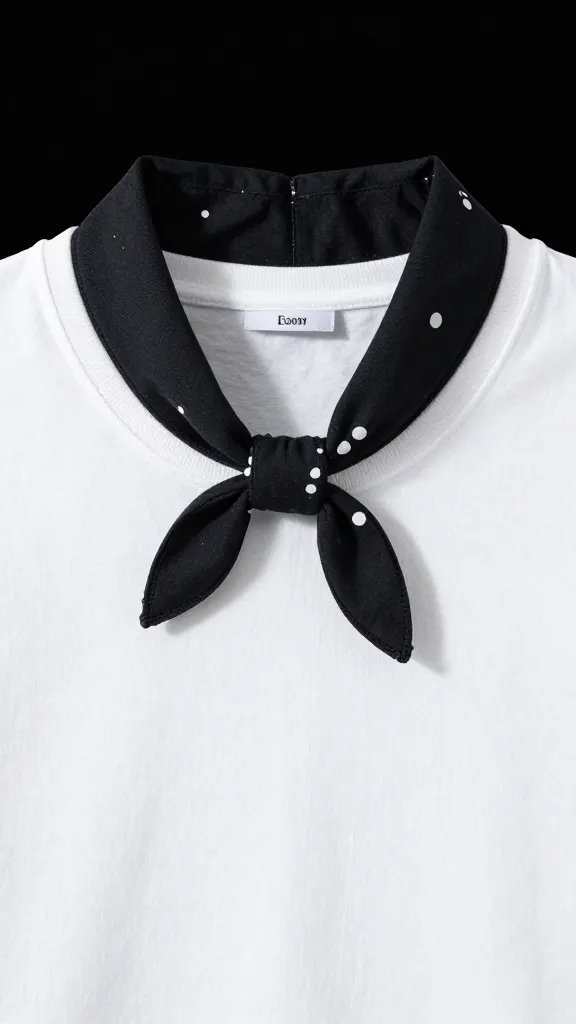
Choose fabrics that press smooth and hang with a little weight: cotton poplin, denim from 10–13 oz, real silk, wool blends, and supple leather. Fit is honest: a shoulder seam that meets your shoulder, a sleeve you can bend, and a waistband that stays put when you sit. If you’re between sizes in jeans, buy the snug pair that zips without a fight; denim gives. If a shirt pulls at the bust, size up and tailor the waist — a $20 seam is cheaper than a closet orphan. I keep a small ironed stack ready because leaving the house crisp changes the whole day.
Season by Season — Make It Work All Year
Spring: chambray, light cardigans, straw hat, ankle boots that can handle damp grass. Summer: cotton dresses, denim skirts, leather sandals for day, dress boots packed for air-conditioned venues. Fall: mid-wash denim, wool blazer, ropers, silk blouses in deeper colors. Winter: lined jeans or tights under skirts, felt hat, wool coat, tall boots with wool socks. I’ve layered tights under a denim skirt for a December service and stayed warm from car to pew to potluck.
What to Skip — The Things That Waste Money
- Costume trims (fringe on fringe, oversized rhinestones) — fun for one night, useless for five years.
- Shiny synthetic “silk” — snags fast, photographs harsh, and holds odors.
- Paper-thin denim — tears at seams and bags at the knee by lunch.
- Oversized buckles for daytime — they fight seatbelts and shirt hems.
- High heels on gravel — stilettos sink; choose a stacked heel.
- Raw-edge skirts for events — threads catch and look undone in photos.
Build a Small, Strong Cowgirl Era Wardrobe — The Buy-Once List
- Western shirt in cotton poplin — dresses up and down; under $100 to mid-range.
- Chambray or denim shirt — year-round workhorse; under $100.
- Straight-leg jeans (dark wash) — office to dinner; mid-range.
- Bootcut jeans (mid wash) — rodeo and weekends; under $100 to mid-range.
- Denim skirt (knee to midi) — travels well; under $100.
- Silk or matte wrap dress — weddings and evenings; the buy-once splurge.
- Denim jacket — layers with everything; under $100 to mid-range.
- Wool blazer — pockets required; mid-range to splurge.
- Roper boots — daily miles; mid-range to splurge.
- Dress boots — church and events; splurge-worthy.
- Leather belt (narrow to medium) — everyday finish; under $50 to mid-range.
- Felt hat and straw hat — one for dress, one for sun; mid-range each.
- Silver cuff or simple pendant — sturdy jewelry that lasts; under $100 to splurge if heirloom-quality.
Frequently Asked Questions
What is Cowgirl Era style and how is it different from regular Western wear?
Cowgirl Era style blends Western heritage details with pieces that work beyond the arena — think pearl snaps with bias skirts, ropers at the office, and a wool blazer over a denim shirt. It favors durable fabrics and clean lines without costume trims, so you can wear it to work, a wedding, or a weekend drive and feel appropriately dressed each time.
How do I wear Cowgirl Era style to a wedding without looking like I’m in a theme?
Choose a silk or matte wrap dress, tall dress boots in a refined toe, a slim leather belt, and one piece of silver. If it’s outdoors, add a felt hat and a wool blazer or shawl; keep buckles modest and skip fringe so the outfit reads formal, not novelty.
What jeans work best for Cowgirl Era outfits?
Straight-leg and bootcut jeans in mid to dark washes with minimal distressing. Look for sturdy denim (10–13 oz), a rise that stays put when you sit, and a hem length that clears your boot heel without dragging.
Can I wear sneakers with Cowgirl Era outfits or do I need cowboy boots?
Boots are the heart of it, but a plain leather sneaker can work for travel days with straight jeans and a denim jacket. Pack your ropers; change when the ground turns to gravel or the plan turns to dancing.
What hats fit Cowgirl Era style for everyday and for dress?
Straw for sun and chores, felt for church and evenings. Keep crowns and brims moderate so they balance your shoulders and don’t fight doorways or car seats.
How do I style Cowgirl Era outfits for cold weather without losing the look?
Layer tights under skirts, choose lined jeans, and add a wool blazer under a longer coat. Tall boots with wool socks, a felt hat, and a scarf in real silk or wool keep warmth up and fuss down.
Head Out the Door Looking Like Yourself
Pick one strong piece and keep everything else useful and plain — that is how Cowgirl Era style earns its keep day after day. Tonight, lay out tomorrow’s kit: denim shirt, straight jeans, leather belt, ropers, and the jacket you actually reach for. Then steam the shirt so the morning is easy.
Keep exploring: The Beyoncé Cowgirl Look and Western Wardrobe Essentials go well with this one. For a fit-and-size breakdown to go with it, Sadie’s concert sizing & style guide is worth a look too.
Questions, special events, or a closet puzzle you want solved? Ask me in the comments — love, Dottie Rae