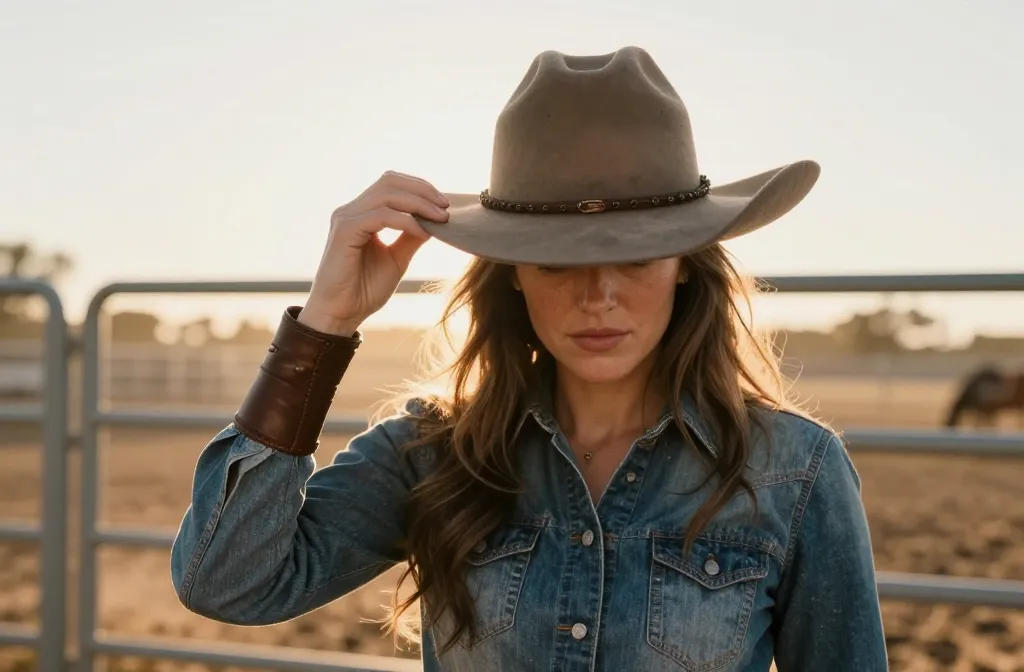
Cowgirl Hats Guide — How to Choose & Style Yours
Cowgirl hats are not a fashion accessory; they are the thing that keeps sun off your face on a rodeo bleacher and rain from sneaking down your collar on a county-fair night. I bought my first one with babysitting money and learned fit the hard way in a gravel church lot when the wind tried to take it. By the end of this, you’ll know how to choose a cowgirl hat that suits your face, your climate, and your life, plus three real ways to style it for workdays, weddings, and weekends.
Quick housekeeping: Some of these links pay the blog a little commission. It doesn’t change the price, and it’s never why something made the list.
What’s the First Thing to Look at in a Cowgirl Hat?
Every cowgirl hat comes down to three decisions: crown shape, brim width, and material. Get those right for your face and your climate, and the rest is trim. Thirty years of barn weddings taught me that a hat you don’t have to fidget with is the only one that looks good by the last dance. A good hat balances shade, structure, and comfort — it should sit on your head without squeezing, drop a clean shadow over your face, and feel like part of you when you turn, bend, or laugh.
What Are the Parts of a Cowgirl Hat?
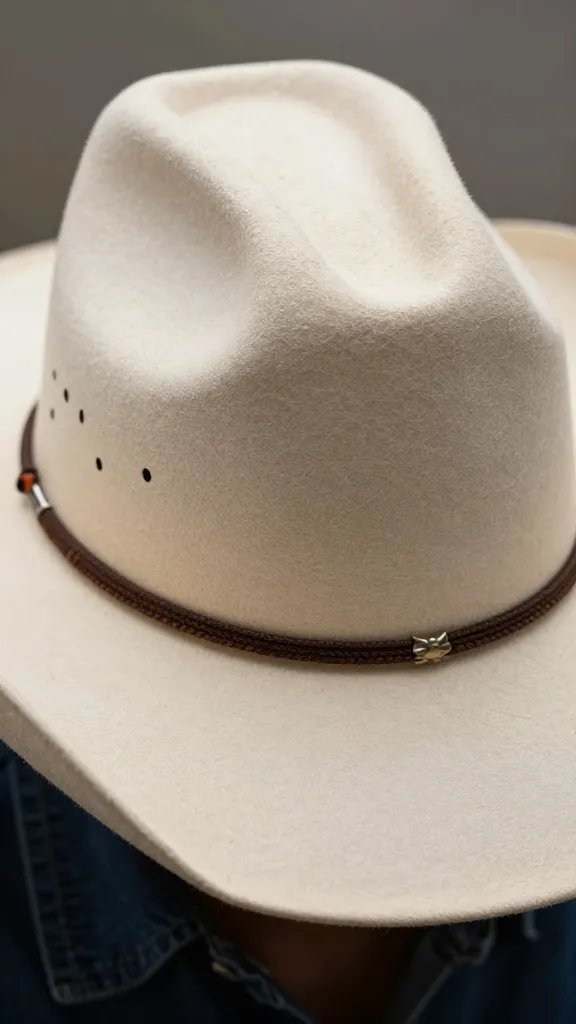
When you can name the parts, you can ask for what you need at the counter. The crown is the top — height and crease change how it reads on your face. The brim is the edge — width and curve control shade and drama. The sweatband is the inside band that decides comfort over a long day. The hatband is decoration; treat it like a belt. A chin strap or stampede string isn’t pretty language, but it’s what keeps your hat through a crosswind and a fast trot; I learned that bringing calves in one March when the norther blew hard and mean.
Crown shapes in plain words
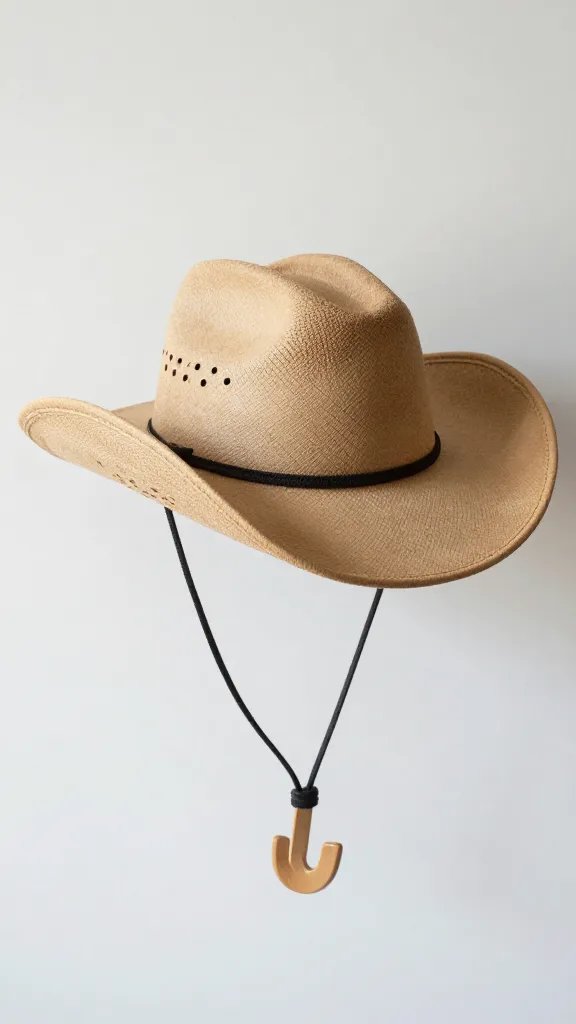
Crown shape sets the hat’s personality. Here are the four you’ll see most often.
- Open crown — round and uncreased; shaped by steaming. Good if you want a custom crease later.
- Cattleman — three dents on top. Classic, clean, suits most faces. American Hat Makers calls it the most versatile starting point for first-time buyers.
- Pinch front/teardrop — front pinch with a teardrop top. Softer, flatteringly frames a lot of cheekbones.
- Gus — peaked front, slopes back. Tall; strong personality, reads Western fast.
Brim basics
The brim does the practical work — shade, wind defense, and the overall silhouette.
- Width — 3 to 4 inches is everyday practical; more shade for sun, less catches wind. The Skin Cancer Foundation recommends at least 3 inches all around for meaningful UV coverage.
- Curve — flat to gently upturned looks grown and wearable; too much curl shrinks shade and dates fast.
- Edge — raw, bound, or welted. Bound edges wear slower and look finished.
How Should a Cowgirl Hat Fit?
A hat should ride on your head with light pressure at the front and back, stay put with a gentle nod, and never leave a red mark. The most common mistake people make is buying too small — it feels “secure” in the mirror and becomes a headache by noon.
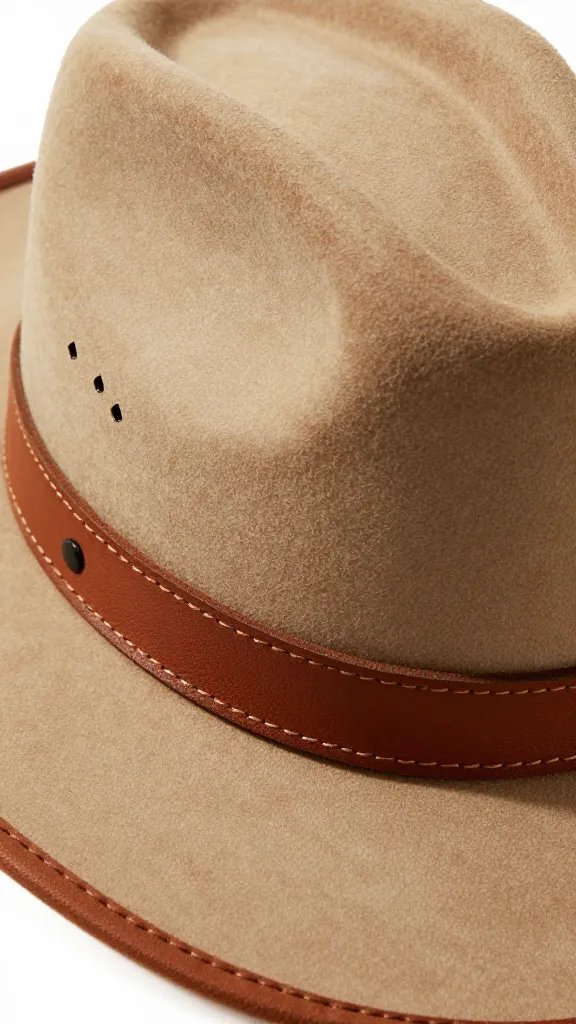
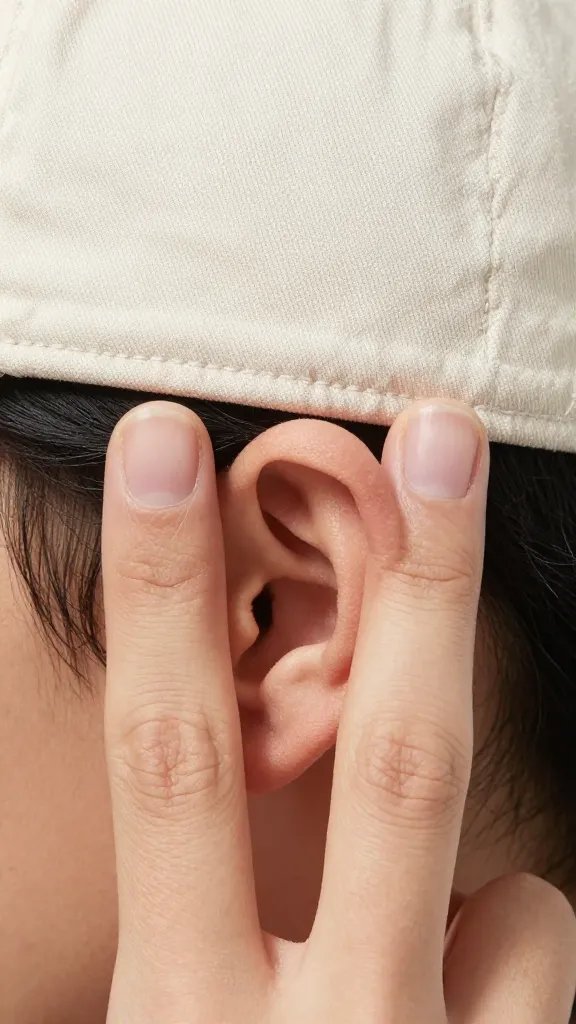
Here’s something most guides skip: a tight hat doesn’t just feel uncomfortable, it cuts off blood circulation around your forehead and causes headaches that feel like sun pain but aren’t. Your sister-in-law Maggy wore a hat two sizes too small to a barn auction once and spent the afternoon thinking she was getting heatstroke; it was the hat band doing a slow squeeze on her temples. Measure above your eyebrows with a soft tape — or about half an inch above your ears — and try the nearest two sizes in person if you can. The right hat sits level or with a slight front dip, doesn’t leave a red line, and stays on without gripping.
If you’re between sizes, ask for sizing tape or use felt inserts under the sweatband at the sides to snug it up. I’ve tucked a strip of moleskin at the back before a windy parade and it held without a headache. A properly fitted hat should feel so natural you forget it’s there — like a firm handshake, not a painful squeeze.
Why does crown depth matter?
Depth is the difference between a hat that rides calm and one that pops off in a gust.
- Shallow crowns pop off in wind and ride high on curls.
- Deeper crowns seat your head securely and look calmer on the face.
- Try on with your hair how you’ll wear it — down, low braid, or tucked — because that changes fit.
What Hat Shape Goes With Your Face?
Hats are about balance. If your features are fine, cut down the drama; if your shoulders are broad, give them a brim that answers back. The basic rule from the American Quarter Horse Association is that the corners of your brim should roughly match the width of your face — a starting point, not a law.
| Face Shape | Best Crown | Ideal Brim | Key Tip |
|---|---|---|---|
| Round | Cattleman or pinch front | 3–3.5 inches, gentle upturn | Keep a slight front dip to lengthen |
| Oval | Almost anything | 3.5–4 inches | Choose by climate and occasion, not rules |
| Heart | Pinch front | 3.25–3.5 inches, mostly level | Simple grosgrain band reads clean |
| Square | Teardrop or soft open crown | 3.25–3.5 inches, slight curl | Avoid flat brims that echo a strong jaw |
Round faces: go for a cattleman or pinch front crown with a modest brim and a gentle upturn. Keep the front dip slight to lengthen. A bound edge helps the line look tidy.
Oval faces: you can wear almost anything. Choose based on climate and occasion. Try a 3.5–4 inch brim in felt for fall and a tight-weave straw at 3.25 inches for summer; use the mirror and your shoulders as your guide.
Heart-shaped faces: a pinch front softens and balances cheekbones. Keep the brim more level than flipped. A simple grosgrain hatband reads clean and grown.
Square faces: round off the angles with a teardrop or open crown shaped softly, and choose a brim with only a slight curl. Avoid super-flat brims that echo a strong jaw one-to-one.
Beyond your face, consider your shoulders. Broad shoulders can carry a wider brim; narrow frames look swallowed by anything over 4 inches. And height matters — if you’re under five-four, a very tall crown can make you look like you’re wearing someone else’s hat. Try on with the outfit you’d actually pair it with; the whole picture is what counts.
Straw vs. Felt vs. Palm — Which Material Is Right for You?
Material is not about status; it’s about temperature, sun, and rain. I own one straw for true heat, two felts for nine months of the year, and a palm for wet work. That mix took me a decade to settle. Here’s how they stack up side by side.
| Material | Best For | Breathability | Weather Resistance | Durability | Price Range |
|---|---|---|---|---|---|
| Straw | Hot, dry weather | High | Low (no rain) | Moderate | $20–$100 |
| Palm Leaf | Heat + humidity | Moderate | Moderate | High | $40–$120 |
| Wool Felt | Cool weather, dress looks | Low | Low (not rainproof) | Moderate | $50–$150 |
| Fur Felt | Three-season, wind, light rain | Low | High | Very High | $150–$400+ |
Straw — best for hot, dry weather
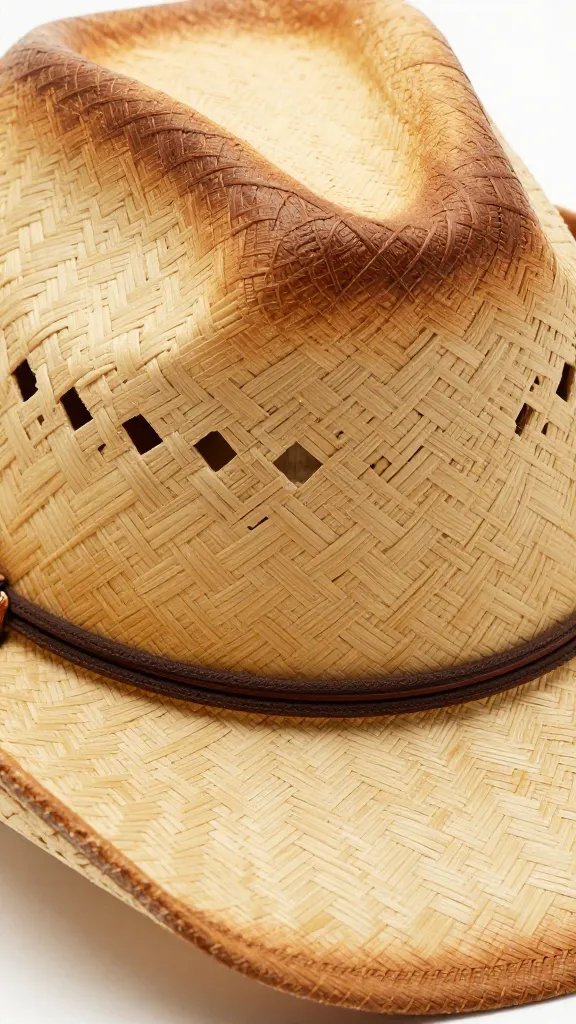
Best for July heat, outdoor weddings, county fair days. Look for a tight weave that blocks sun when you hold it up to the light. A wire in the brim lets you keep shape. Skip flimsy, wide-gapped weaves if you live where the UV index bites — they don’t shade enough and they fray by August.
Here’s something worth knowing: a 2018 study in Photodermatology found that no hat reaches 100 percent facial UV protection from every angle, but a wide-brimmed hat with a tight weave gave the best coverage during a cloudless summer day. The Skin Cancer Foundation recommends a brim at least 3 inches all around. And here’s the part that surprises people — a hat that lets visible light through when you hold it up can still block over 98 percent of UV radiation. Visible light and UV rays are different wavelengths; the only way to confirm true UPF 50+ is independent lab testing.
Palm leaf — best for heat and humidity
Best for sweaty work and surprise showers. Palm can be re-shaped with steam and holds up to rough use. Heavier than straw, cooler than felt. I wore a palm leaf through a summer of fence repair and dunked the brim in a stock tank more than once; it dried fine and kept its curve. That durability is why working ranch hands often choose palm over straw when conditions get hard — Justin Boots traces this preference back to the humid South, where palm outlasts basic straw season after season.
Wool felt — budget-friendly dress felt
Best for light cool weather and dress looks on a budget. Warmer than straw but not rainproof. Wool will sag in a real downpour and pills with hard use. If money is tight and you need something for fall Saturdays, this works, but treat it gentle. As a bonus, felt’s dense fiber structure naturally insulates against radiant heat, so a lightweight summer-weight felt can actually keep your scalp cooler than a loose-weave straw on a blazing day — the hat blocks the sun’s intensity rather than letting it through.
Fur felt — the buy-once splurge
Best for three-season wear, wind, and light rain. Dense, shapes cleanly, and lasts years with care. If you can swing one splurge, make it a mid-tone fur felt with a bound brim — mine has handled church, stock shows, and one chilly hill-country wedding where I passed it to a friend between photos to warm her hands. Beaver or rabbit blends hold a crease beautifully and develop a quiet character with age that cheap materials simply don’t.
What Colors Actually Work With Everything?
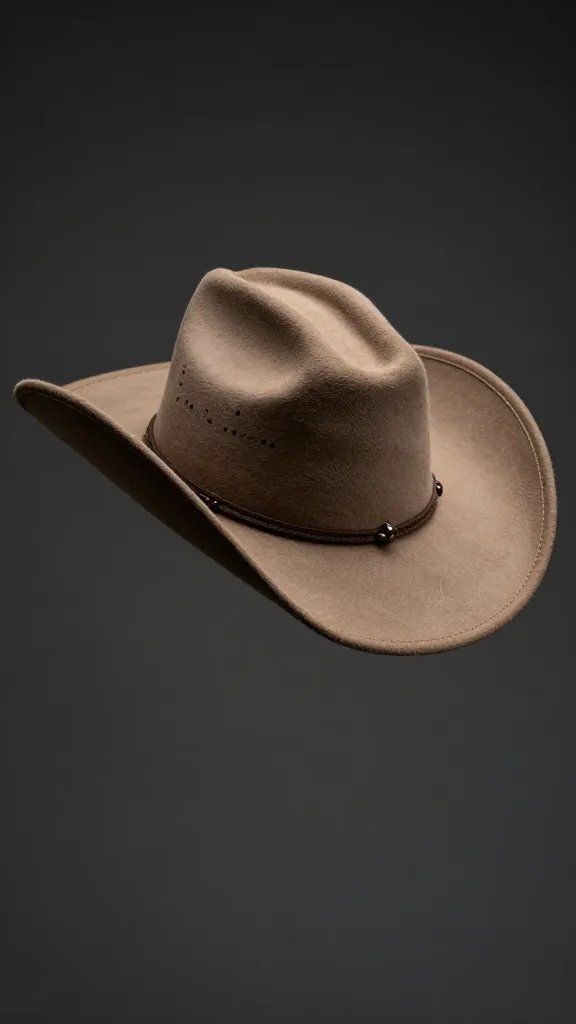
Start with one light and one dark if you can, but start with one that covers your season now. Natural straw or palm is summer’s friend. In felt, medium brown, chocolate, silverbelly (a warm light), and charcoal are workhorses.
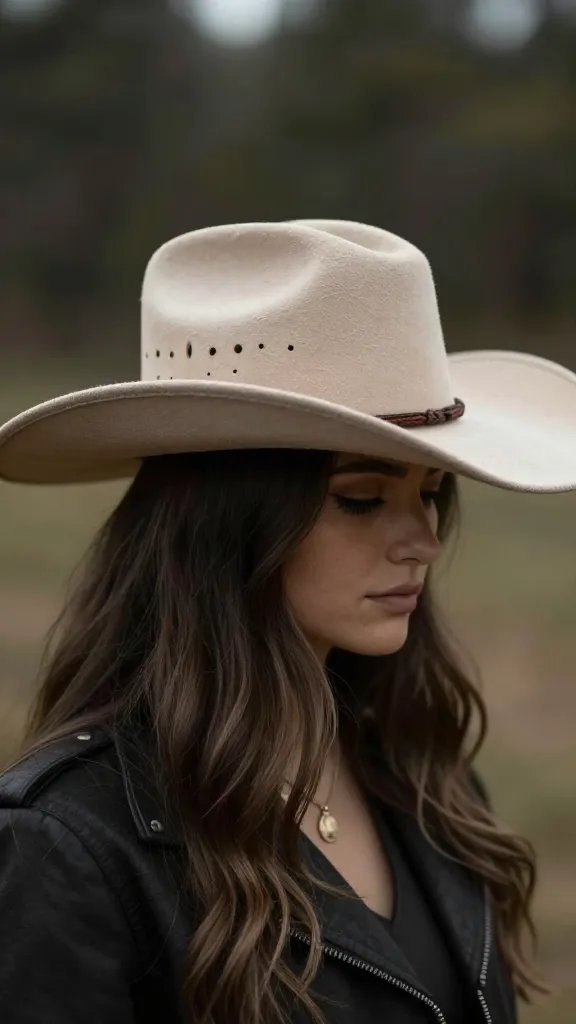
Black is formal but shows dust; I save mine for evening. I learned the hard way that very pale felts need a brush living by the door; I keep one on the entry table and give a quick sweep before I leave. When in doubt, choose the color closest to your boots — they’ll look like they planned it together even when you didn’t.
How Do You Style a Cowgirl Hat for Real Life?
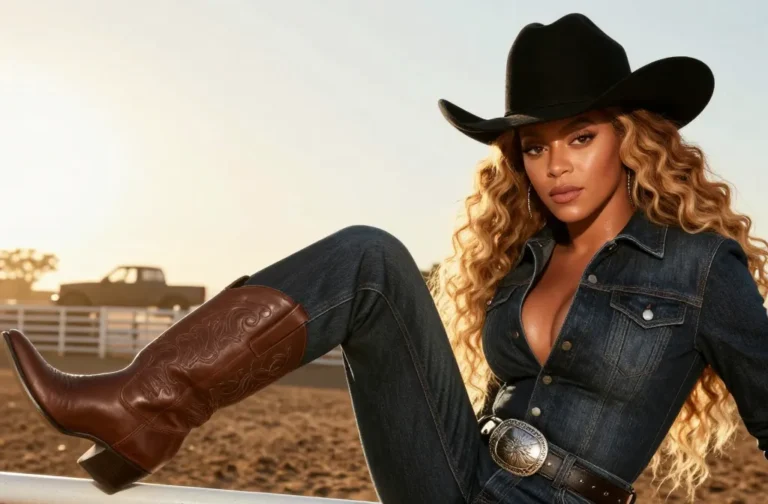
You asked for how to choose and style yours, not a closet overhaul. Here are three outfits that behave on gravel and dance floors, with notes I’ve tested from pews to pickup trucks.
What do you wear on a regular workday?
Simple, breathable, and nothing to fuss with.
- Hat: Palm leaf or tight-weave straw, 3.5-inch brim, stampede string for wind.
- Top: Chambray shirt or moisture-wicking western snap shirt; sleeves roll cleanly.
- Bottom: Straight-leg jeans with room over boots; real pockets.
- Boots: Roper or stockman toe you can stand in all day.
- Why it works: Shade, breathability, and nothing that needs attention. I tie my hair in a low braid so the sweatband sits flat.
This pairs naturally with a cowboy boots outfit guide if you want to match your footwear to the rest of the look.
What about a barn wedding, ranch to reception?
Dress reads polished, hat reads home turf. A good felt keeps you looking right through weather changes.
- Hat: Mid-tone fur felt, 3.5–4-inch brim, bound edge; simple ribbon band.
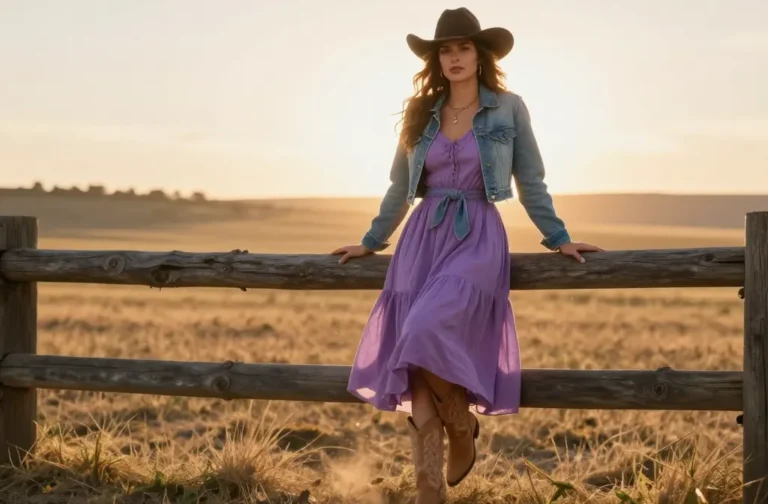
- Dress: Midi wrap dress in cotton poplin or silk blend; moves, won’t catch on hay bales.
- Outer layer: Short denim jacket or tailored blazer for wind.
- Boots: Clean leather with a medium heel you’ve already broken in.
- Bag: Small crossbody; keeps hands free for hugs and plates.
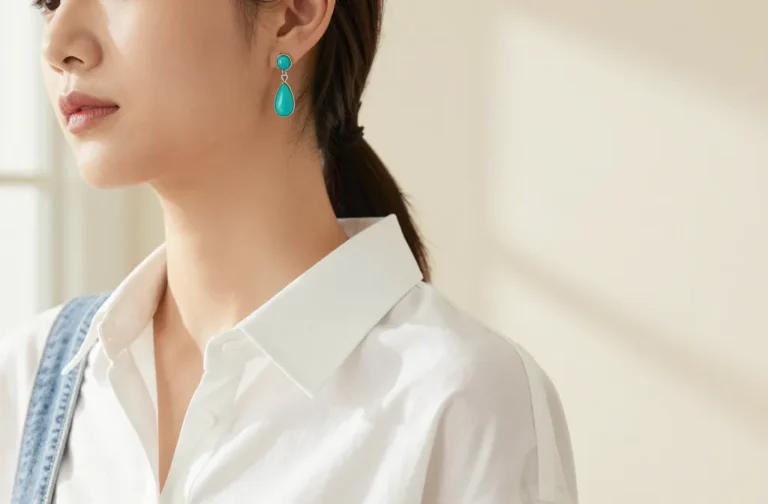
A simple turquoise pendant or small pair of western earrings from the turquoise jewelry guide finishes the look without competing with the hat.
I once hemmed a bridesmaid dress in a truck and still made the photos; a good felt kept my hair from frizzing while we waited out a sprinkle. That hat traveled from the parking lot to the dance floor without a single adjustment, and nobody questioned whether it belonged.
What works for a weekend in town?
Light, clean lines, and enough shade for the farmers’ market.
- Hat: Natural straw, 3.25-inch brim, pinch front.
- Top: White cotton tee or linen camp shirt.
- Bottom: High-rise bootcut jeans or a denim skirt to the knee.
- Shoes: Ankle boots or leather sandals if you’re off the dirt.
- Why it works: Light, clean lines, and shade for farmers’ market stands. I keep a folded bandana in the hatband to dab sunscreen or tie back hair when the wind starts.
The full version of this look, with more options for every season, is in the cowgirl outfits complete style guide.
What Hatbands and Extras Are Worth Adding?
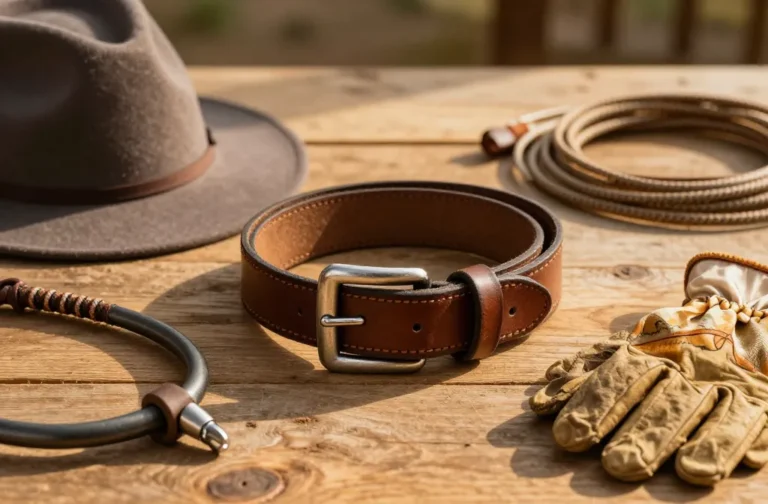
Treat hatbands like belts. Leather reads ranch; grosgrain reads dress; a braided horsehair band is quietly special. Keep decoration low-profile so it doesn’t catch on doors or branches.
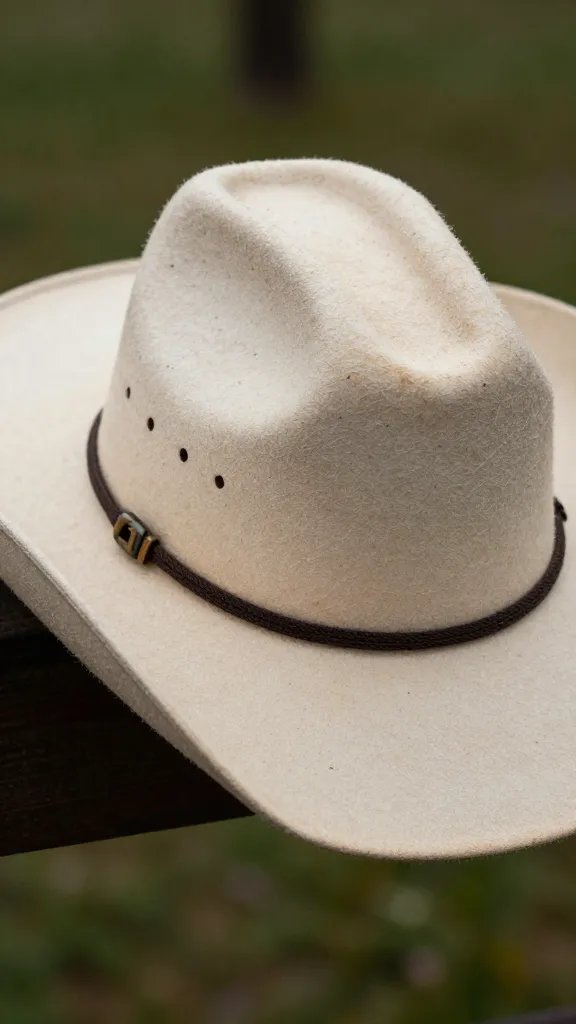
Feathers and pins are fine at a dance hall, not for work gates. For real life, add a stampede string you can tuck behind the sweatband when you don’t need it. I’ve threaded one through with a blunt needle on the tailgate more than once. A well-chosen hatband also lets you rotate one accessory across three hats — change the band, change the look, without buying more hats.
How Do You Care for a Cowgirl Hat So It Lasts?
Hats don’t need babying, just habits. Always pick up a hat by the brim with clean hands, not by the crown; pinches create cracks over time.
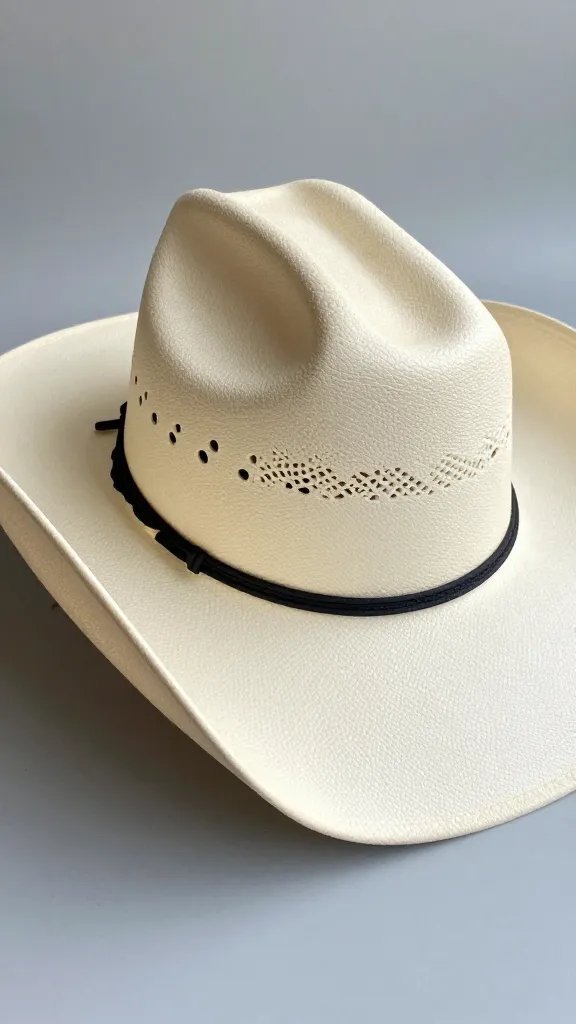
Brush felt counterclockwise with a soft brush after dusty days. Wipe straw with a damp cloth and let it dry away from direct heat. Store on a hat rack or upside down on the crown on a clean shelf so the brim keeps its curve. I dried a rain-soaked felt once by stuffing the crown lightly with newspaper and setting it near, not on, the wood stove overnight; it kept its shape and didn’t shrink. The Tecovas hat etiquette guide covers the full care routine, including the old rule about never setting a hat right-side up on its brim.
Where Should You Spend and Where Should You Save?
Spend on fit and material, save on trim. A mid-range palm or straw under $100 will do more for your summer than a cheap felt that wilts in a sprinkle. The buy-once splurge is a fur felt in a neutral you wear three seasons.
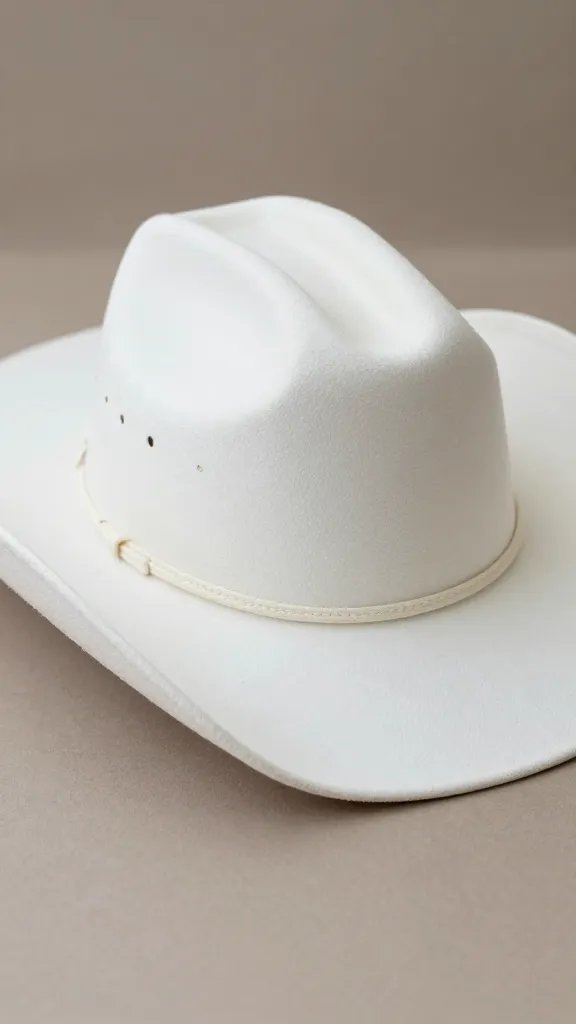
Bands and feathers are dressing — rotate one hatband across three hats and you change the look without buying more hats. American Hat Makers carries a solid range of interchangeable bands if you want to start there.
What Mistakes Waste the Most Money?
These are the ones I see over and over at barn weddings and feed stores.
- Buying too small — It feels “secure” in a mirror and becomes a headache by noon. Remember what we said about circulation — a snug fit and a tight fit are not the same thing.
- Over-curled brims — They cut shade and date fast. Keep the curl modest.
- Ignoring climate — Wool felt in August or open-weave straw at high noon will end your day early.
- Grabbing by the crown — That crease you love is the first place to crack if you pinch it daily.
- Skipping a chin strap in wind country — One gust across a gravel lot taught me that lesson; the scuff came out, but not my pride.
My one firm opinion: Don’t buy cheap hats twice — buy one good hat once and wear it for a decade.
What Should You Wear Each Season?
Spring wants flexibility. A light felt or palm leaf handles cool mornings and warm afternoons. Summer is straw and palm territory; keep a travel-size sunscreen in your bag and reapply under the brim. Fall is felt weather — medium tones hide dust from harvest and rides. Winter calls for dense felt and a scarf at the neck; tip the front slightly for rain runoff.
I swap my hatband to leather in winter and grosgrain in spring so it feels fresh without a new buy. One woman I know at the feed store changes hers to a thin braided leather every October like clockwork — it’s the smallest possible refresh and it always looks right.
How Do You Match Your Hat to Your Boots and Belt?
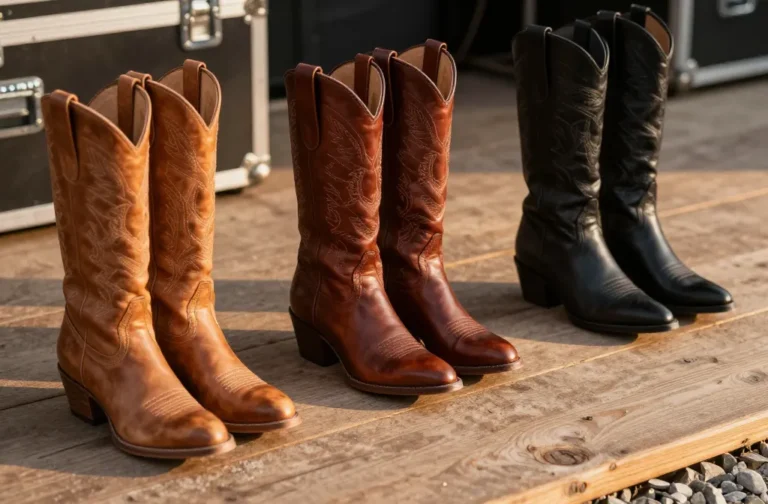
You don’t need a perfect color match; you need a shared tone and finish. Pair a chocolate felt with a dark brown belt and boots; let hardware stay quiet. A natural straw loves tan or roughout leather. If your boots are patterned or bright, keep the hat plain.
I own four pairs of boots and defend each one, but I never let all three — hat, boots, and belt — yell at once. Think of it like a conversation: two voices talking and one listening. The full breakdown of how to pull this off, including which toe profiles work with which hat brims, is in the western rings & jewelry guide for finishing touches.
Frequently Asked Questions
How should a cowgirl hat fit without flying off or causing headaches?
It should seat down comfortably with light pressure at the front and back, not leave a red mark after ten minutes, and stay put with a gentle nod. If wind is normal where you live, add a stampede string and a touch of sizing tape at the sides — a properly fitted hat stays put without squeezing.
What color cowgirl hat goes with the most outfits?
In felt, medium brown or silverbelly pairs with denim, dresses, and darker layers without fuss. In summer, a natural straw or palm leaf acts like a neutral and plays well with almost everything in your closet.
Can I wear a cowgirl hat to a wedding without looking out of place?
Yes, if the wedding leans country or outdoors and your hat is clean, simple, and not blocking anyone’s view. Choose a mid-tone felt with a tidy band, keep the brim to 3.5–4 inches, and remove it during indoor ceremonies if you’re unsure.
What’s the real difference between straw and palm cowgirl hats?
Straw is lighter and breezier, great for dry heat; palm is denser, more durable, and handles sweat and surprise showers better. If you work or play hard in humidity, palm outlasts basic straw every time.
How do I reshape a cowgirl hat brim at home?
For felt, use steam from a kettle, warm the area until pliable, shape with your hands, then let it cool on a flat surface. For straw and palm, brief steam and a gentle touch work best — avoid soaking and support the brim evenly so you don’t create waves.
What brim size should a first-time buyer start with?
Start at 3.25 to 3.5 inches — it gives real shade without feeling costume-y, fits in trucks and pews, and behaves on a breezy sidewalk. You can go wider later once you know how it rides in your daily life.
Two Things Nobody Tells You About Cowgirl Hats
First, a hat that’s too tight doesn’t just feel bad — researchers have confirmed that compression around the forehead restricts blood flow and triggers tension headaches that people mistake for heat exhaustion. If you take your hat off at noon with a band of red across your forehead and a dull ache behind your eyes, the hat is the problem, not the weather. Size up, add sizing tape, or have a hat shop stretch the band — it’s a five-minute fix that changes your whole day.
Second, the old rule about straw in summer and felt in winter doesn’t hold up in very hot climates. In West Texas and similar places, felt actually outperforms straw for part of the year because its dense fiber structure blocks radiant heat better than loose-weave straw, which lets sun through the gaps. The real deciding factor is weave density, not the season on the calendar — hold any hat up to bright light, and the less you see through it, the more it protects.
Try It On Tonight
Lay out what you actually wear this week — jeans, boots, the jacket you grab most — and try on hats with that, not with wishful thinking. Stand by a window, turn side to side, and look for a calm line and a shadow that feels friendly, not blinding. If you’re between two, choose the one you forget you’re wearing after five minutes, honey.
Keep exploring: Cowboy Hat Buying & Care Guide and Western Accessories go well with this one. For the buying-and-care side of the same hat, Sadie’s cowgirl nail designs is worth a look too.
Questions about fit, shape, or what to wear yours with? Ask me in the comments — love, Dottie Rae
3 Comments