Cowboy Hat Buying & Care Guide — How to Choose & Maintain Yours
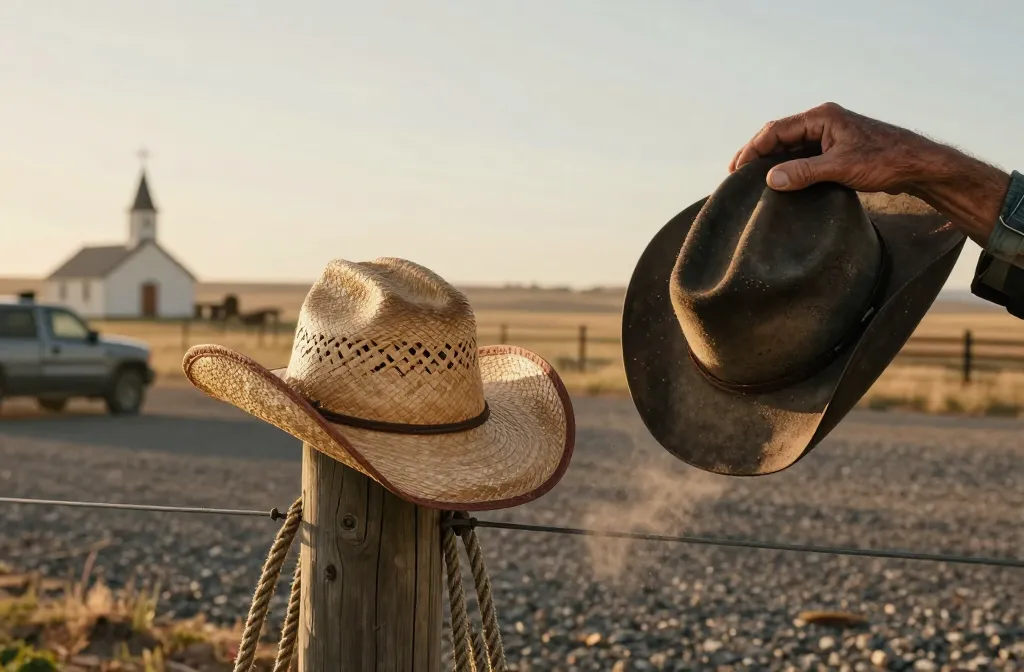
Cowboy hat buying and care start in a real place: a windy gravel lot, hat in one hand, program in the other, and not a lick of shade between the truck and the church door. I’ve had sweat freeze on a felt brim at sunrise and watched a straw crown toast in August light by noon. By the end of this guide you’ll know how to pick the right material, shape, size, and color for your life — and exactly how to maintain it so it lasts for years. I’ll tell you what has actually worked on my ranch and in town, and what ruined my first good hat back when I learned the hard way.
Quick housekeeping: Some of these links pay the blog a little commission. It doesn’t change the price, and it’s never why something made the list.
The Principle: One Hat for Your Weather, Work, and Weekends
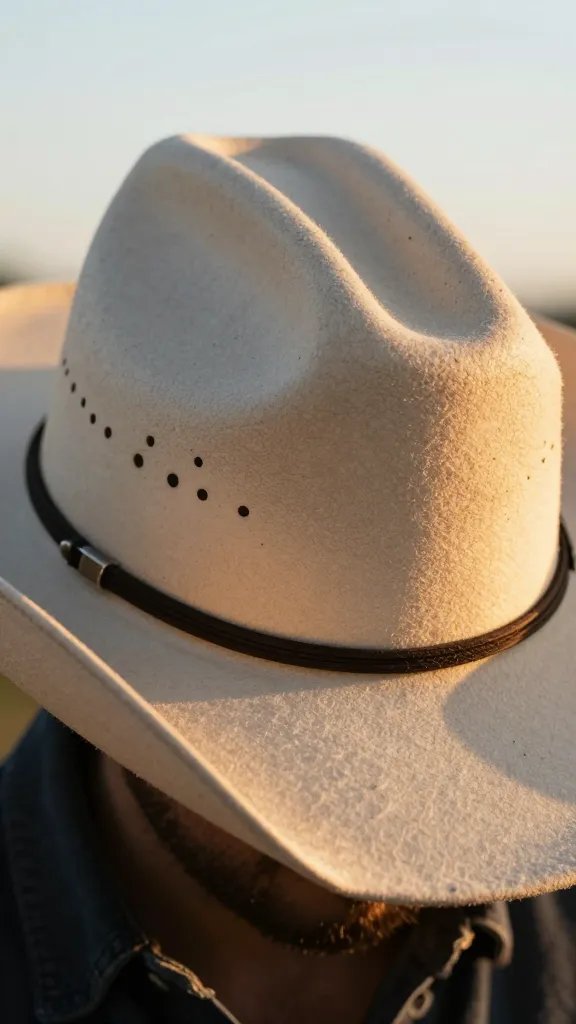
A good cowboy hat is a tool first and a look second. Start with your season and your sun, then your calendar. If your year is hot and bright more than it’s cold and wet, you’ll reach for straw most days; if winter bites and the wind cuts, you’ll be happier in felt. I keep one straw that breathes on sweltering days, and one mid-weight felt that carries me from November brandings to December weddings. Decide what you do most, then buy the hat that serves that reality.
Choosing a Cowboy Hat Material: Straw vs. Felt vs. Wool-Blend
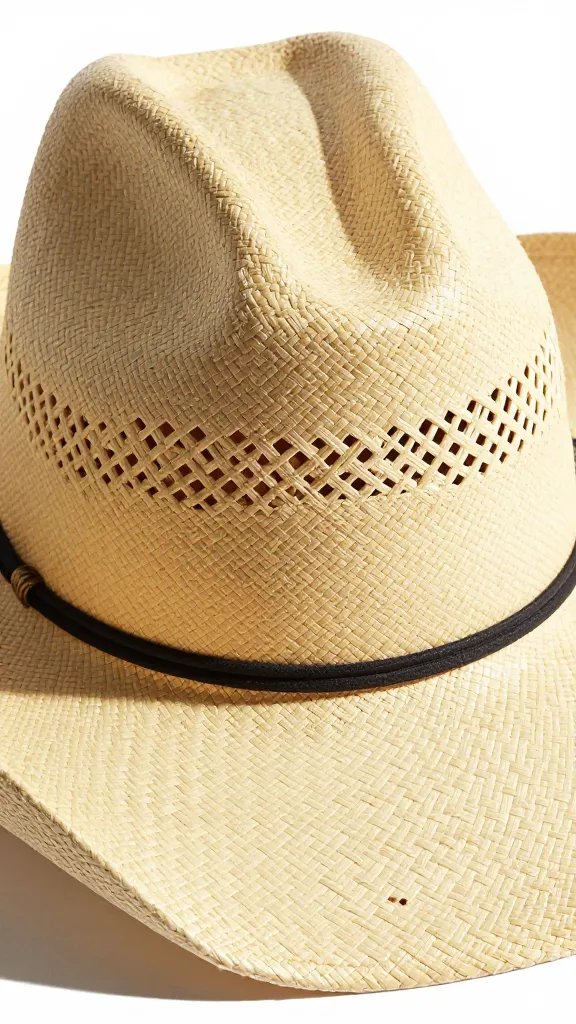
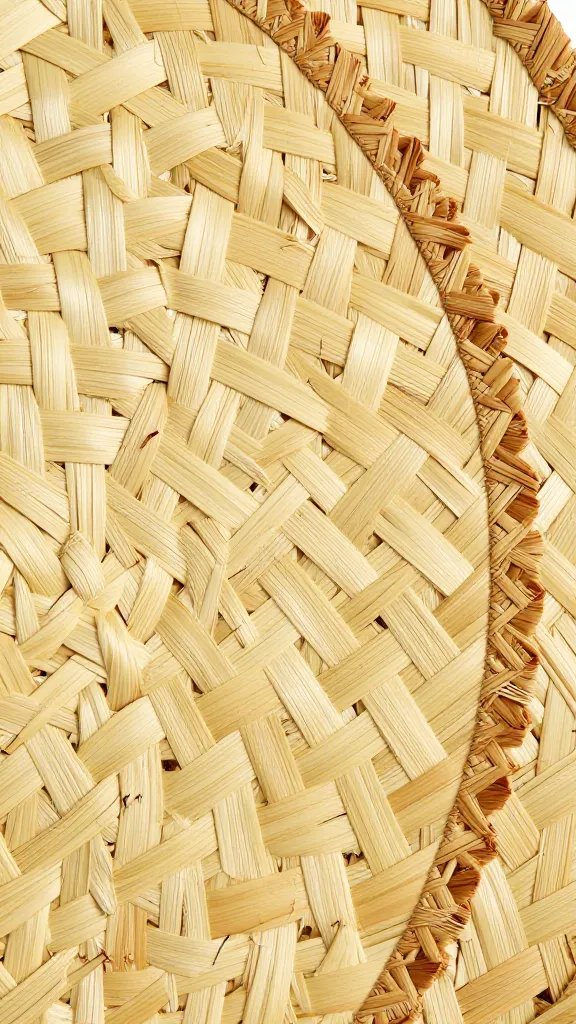
Straw is for heat and sweat. Look for a firm hand, even weave, and a ventilated crown if you live where summers run long. Higher “X” counts on straw usually mean tighter, finer weave; judge by feel and light — hold it up and look for uniformity, not big gaps.
Felt is for weather and polish. A quality fur-felt blend (often rabbit or beaver) sheds light rain and holds shape. The denser the felt, the smoother it feels and the better it takes a crease. I wore a mid-weight felt through a misty fall cattle sale and brushed it back to perfect that night on the kitchen counter.
Wool-blend felt is the budget path for cooler months. It looks the part but doesn’t shed water as well and can lose shape faster. If you go this route, treat it kindly — dry it thoroughly after any damp and store it on a stand.
Fit That Stays Put: Sizing, Shape, and Comfort
Hats should sit level and snug, not tight — think a firm handshake, not a headlock. If a red line blooms on your forehead after ten minutes, it’s too small; if it spins on a gust, too big. I carry a couple of thin sizing strips in my glove box to tune a hat after a haircut or on a dry winter day when everything runs looser.
Find Your Size
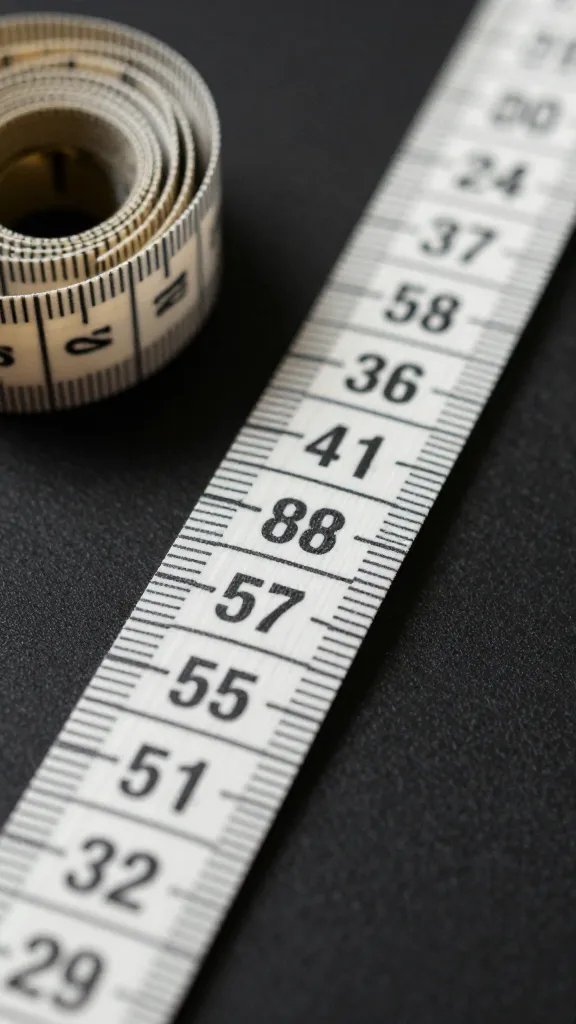
Measure just above your eyebrows and around the widest part of your head. Convert to standard hat sizes using the shop’s chart, then try on the exact hat you plan to buy. Different crowns and sweatbands change the feel even at the same number.
Shape for Your Face and Work
- Crown: Taller crowns elongate; lower crowns sit quieter. A medium-height crown suits most heads and still gives room for a hand-crease.
- Brim: 4 inches is a practical standard. Wider shades more sun, but watch your truck headrest and doorframes. I learned that lesson backing a trailer with a too-wide brim — once.
- Slope and crease: A modest front dip helps with sun. A clean cattleman or a gently pinched front keeps it timeless and easy to brush.
Color That Works Hard: Light, Mid, and Dark
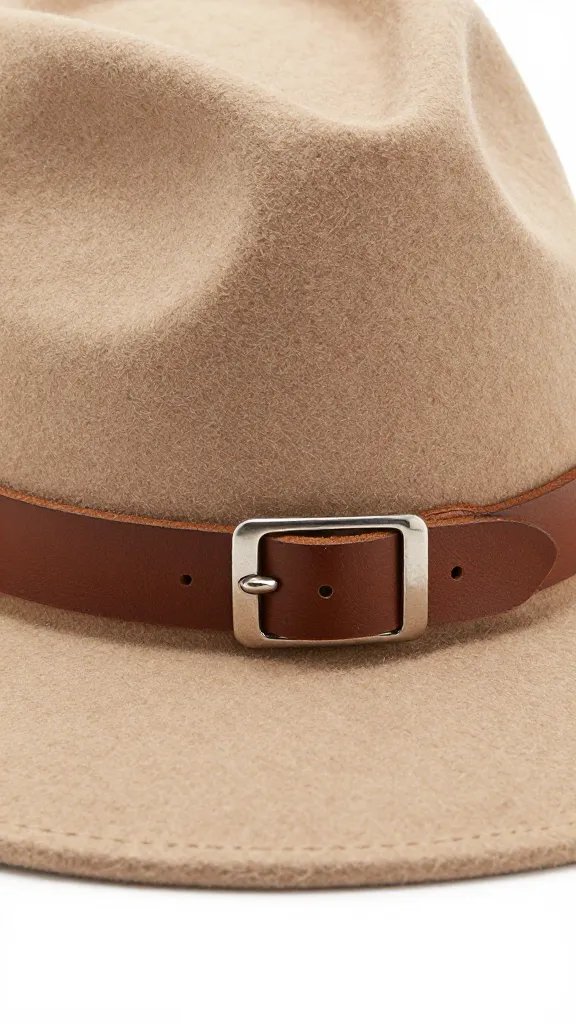
Choose a color that earns its keep where you live. Light straw reflects heat and pairs with denim and cotton everything in summer. For felt, mid-tone grays, browns, and natural tans hide dust and sweat better than stark black or bright bone. I’ve sat through a two-hour July ceremony in a pale straw and still felt human; that same day a dark felt would’ve cooked me.
What You Need to Maintain a Cowboy Hat
- Soft hat brush (light bristles for light felts, dark for dark felts)
- Clean, lint-free cloth for straw and sweatband
- Hat sponge or cosmetic sponge for spot work on felt
- Non-silicone hat cleaner (felt formula and straw formula, if needed)
- Hat stand or hook that supports the crown, plus a flat space to rest it brim-down
- Steamer or kettle for gentle steam when reshaping felt
- Paper towels or brown paper to blot sweatband
- Travel box or hard-sided case if you fly or pack it often
How to Clean and Maintain a Felt Cowboy Hat — Step by Step
- Dust after every wear. Use a soft brush in short strokes, counterclockwise around the crown and brim. Brush the underside of the brim too; that’s where sweat and makeup smudge first.
- Spot clean. For fingerprints or light stains, use a hat sponge with a gentle touch. Lift, don’t scrub. I once chased a rain ring too hard and left a shiny patch — don’t do that.
- Address sweatbands. Turn down the sweatband and blot with a dry paper towel. If damp, let the hat air dry on a stand, away from heat, brim down.
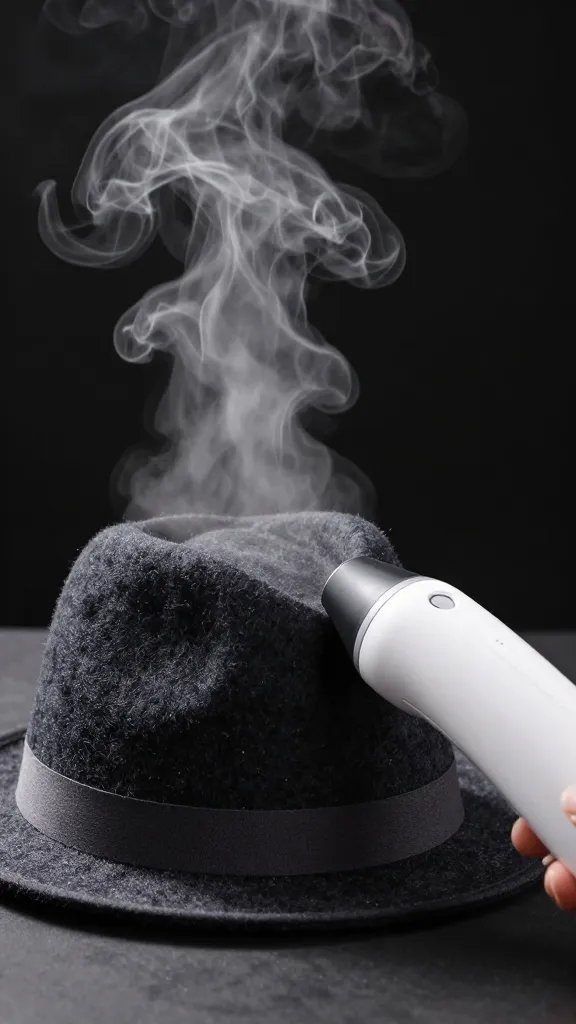
- Reshape with steam. Hold felt over light steam 8–10 inches away for a few seconds until pliable. Nudge the brim edge or pinch the crease back. Set it to cool on a stand. Keep your hands clean; steam makes felt pick up oils.
- Deep clean seasonally. Use a felt-safe cleaner sparingly per label, then brush again once dry. Conditioners are rarely needed and can flatten the nap — skip them unless a maker recommends.
How to Clean and Maintain a Straw Cowboy Hat — Step by Step
- Dust and wipe. Use a dry cloth for loose dust. For stuck-on dirt, a slightly damp cloth with water is enough. Wipe with the weave, not against it.
- Stain control. A straw-safe cleaner can lift sweat lines on the crown. Test under the brim first. Work lightly to avoid roughing the finish.
- Sweatband care. Blot with a paper towel after hot days. If the band is salt-stiff, a minimal pass with a damp cloth helps — then air dry completely.
- Shape touch-ups. Straw reshaping is limited. A whisper of steam can help a small tweak, but too much weakens fibers. I once tried to “fix” a droop over a boiling pot and created a ripple I never could unsee.
Storage That Saves Shape
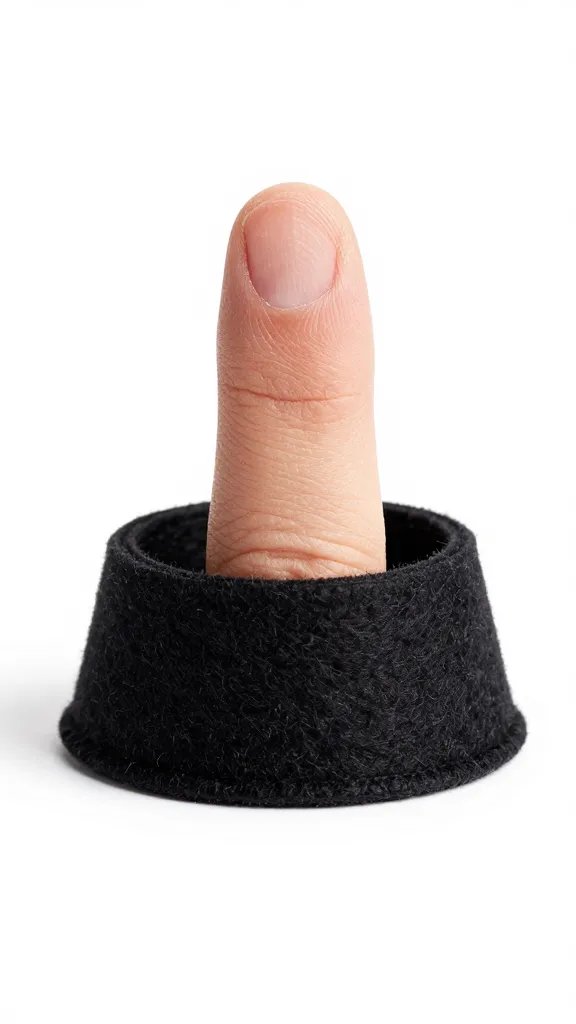
Store hats brim-down on a clean surface or on a stand that supports the crown evenly. Do not perch it on the brim edge; that flattens one side. Keep them out of car back windows and away from heater vents. I’ve restored more lop-sided hats for friends than I can count just by reshaping and teaching them to use a hook near the mudroom door.
Weather Rules: Sun, Rain, Wind, and Sweat
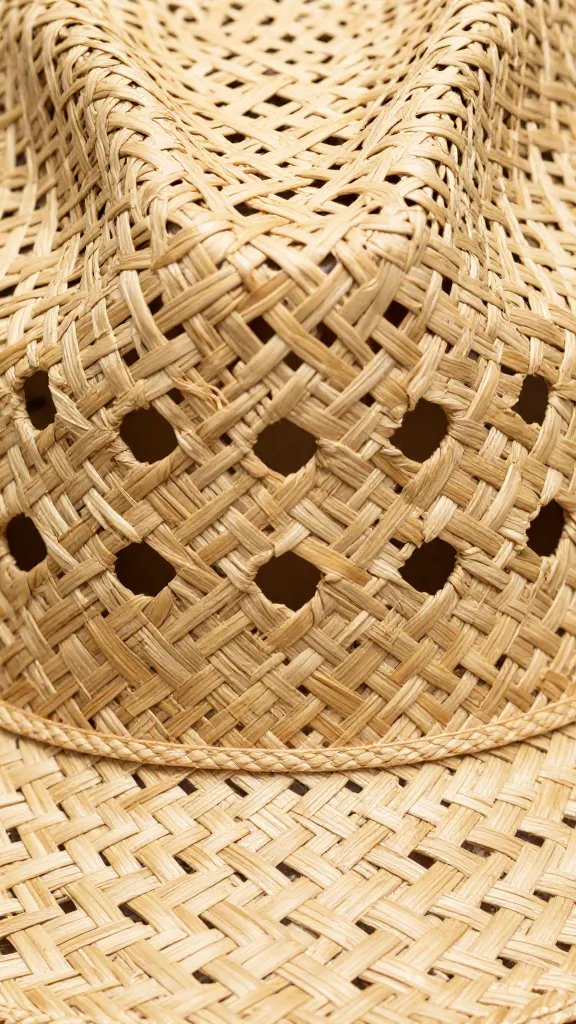
- Sun: Straw for long hot days; felt for shorter exposure. Reapply sunscreen away from the hat to avoid bands on the underside of the brim.
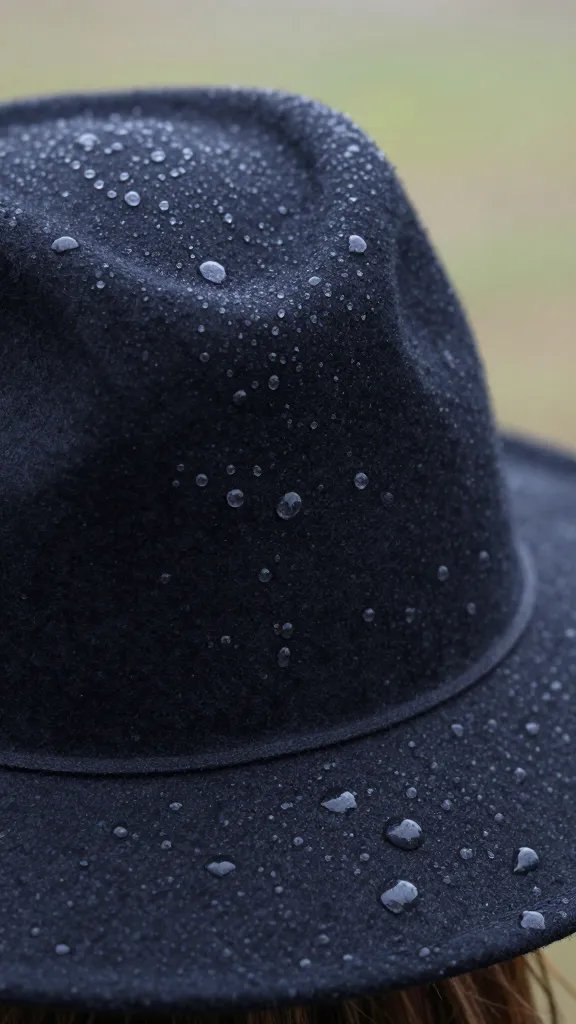
- Rain: Light showers are fine for quality felt; shake off droplets and dry brim-down. Never dry any hat on a radiator, heater, or truck dash — heat warps.
- Wind: Fit matters most. Use discreet stampede strings for real gusts or horseback work; tie them behind your head, not under your chin where they chafe.
- Sweat: Rotate hats. Let each one fully dry between wears so salt rings don’t set. On brutal days, a thin, washable sweatband liner earns its space in your kit.
Traveling With a Cowboy Hat
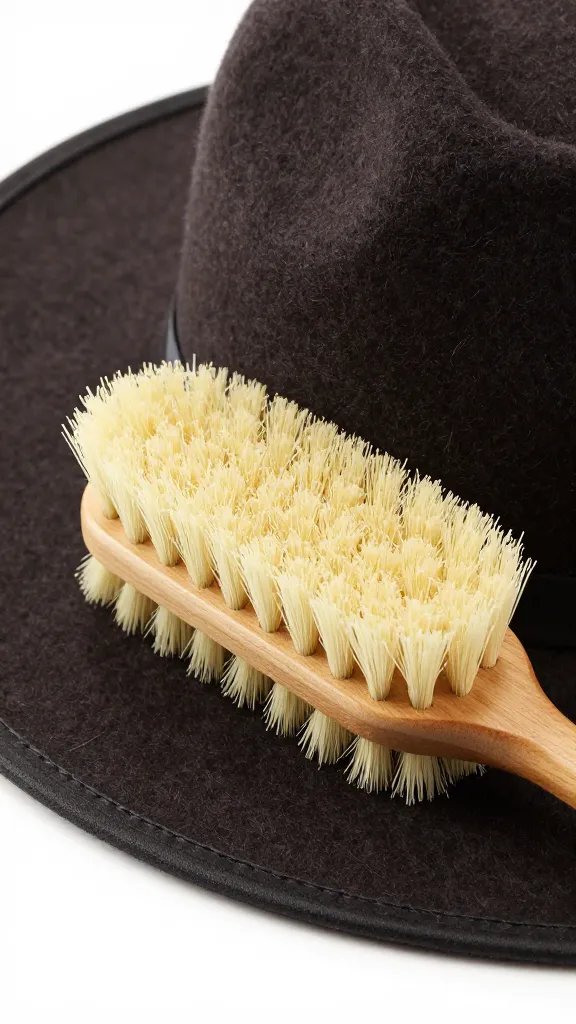
For car trips, use a hard-sided case or set it crown-down in a clean box with soft clothing around the brim, never on top of it. For flights, carry it on — either in a travel case or on your head. I’ve flown with a felt on my head and a straw in a case stowed overhead; both arrived shaped like they left.
Buying Smart: Quality Markers and Price Bands
- Straw under $50: Poolside or yard work only; expect fraying.
- Straw $50–$150: Everyday summer wear; tighter weave, better sweatband, decent shape retention.
- Felt $150–$300: Good fur-felt blends for real use and weather; reshapes well, brushes clean.
- Felt “buy-once” splurge: Dense fur felt that holds a crisp crease for years and shrugs off drizzle.
Look for a smooth, even brim edge, a sweatband that’s stitched cleanly, and a crown that feels consistent to the touch — no thin, papery spots. I run a finger inside the crown; rough glue or lumpy seams hint at shortcuts.
My one firm opinion, stated kindly: Don’t buy cheap hats twice — buy one good hat that fits and take care of it.
Common Mistakes That Ruin Cowboy Hats
- Grabbing by the crown. Pinching the top creates cracks over time. Pick it up by the brim with clean hands.
- Leaving it in a hot truck. Heat warps and weakens both straw and felt. Bring it inside, even if you’re tired.
- Over-steaming. Steam to soften, not soak. If the felt feels damp, you went too far.
- Using furniture polish or oils. These stain and attract dust. Stick to hat-safe cleaners.
- Hanging on a peg that’s too small. Narrow hooks dent the crown. Use a wide hook or a stand.
Seasonal Upkeep Rhythm That Actually Works
- After every wear: Quick brush or wipe; blot the sweatband; store brim-down or on a stand.
- Monthly: Full brush for felt; thorough wipe for straw; check for loose stitching on the band.
- Seasonally: Deep clean per material; light steam reshape for felt; replace worn liners; retire straw with broken weave to yard duty.
- Yearly: Re-crease or fine-tune brim if needed; inspect travel case, stands, and hooks for damage.
Small Fixes You Can Do at Home
- Flatten a wavy brim (felt): Light steam, lay brim on a clean, flat surface, press gently with your palm, let cool untouched.
- Lift a sweat ring (felt): Hat sponge in short, upward strokes, then brush all over to even the nap.
- Remove lint and hair (felt): Slightly damp cloth, then brush; finish with a dry cloth to restore sheen.
- Edge scuffs (straw): Very light pass with a white eraser, then wipe with a dry cloth.
Thirty years of barn weddings taught me to pack a small brush and a clean cloth in the truck console. I’ve saved more photos that way than any fancy touch-up kit ever did.
When to Take It to a Hat Shop
Deep sweat stains that won’t lift, crushed crowns, cracked straw brims, and felts that need a full re-blocking belong with a professional. If the hat is a splurge piece or a family hand-me-down, let a shop with a steamer and blocks handle it. I carried one heirloom felt in wrapped in a towel and walked out with it looking like the day it rode home from town, worth every mile I drove.
Frequently Asked Questions
How should a cowboy hat fit so it doesn’t blow off?
Snug and level, touching all the way around without pressure points. If it lifts in wind, add thin sizing strips under the sweatband at the sides, not the forehead. A properly fitted hat plus a discreet stampede string handles real gusts.
What’s the best material for a summer cowboy hat?
Straw with a firm, tight weave and some crown ventilation. It breathes, shades well, and cleans with a quick wipe. Choose a mid-width brim (around 4 inches) for sun without fighting doorframes.
How do you clean a felt cowboy hat at home?
Brush counterclockwise after each wear, use a hat sponge for spots, and steam lightly for reshaping. Let it dry brim-down away from heat. Skip oil-based products; they flatten the nap and attract dust.
Can a cowboy hat get wet in the rain?
Quality felt can handle a light shower; shake off water and let it air dry on a stand. Straw tolerates brief mist but can warp in a downpour. Never use a heater, car dash, or hair dryer to speed things up.
How do I choose a cowboy hat color that goes with everything?
Mid-tone felt — gray, chocolate, or natural tan — hides dust and pairs with denim and dress clothes. For summer, natural straw is the most forgiving. Very light felts show stains; very dark ones cook in heat.
What’s the right brim size for a first cowboy hat?
Four inches is the practical starting point for everyday wear. It shades well, fits in trucks, and balances most faces. Adjust up or down a quarter inch after a week of real use if you find yourself bumping doorjambs or squinting.
Take Yours Out Tomorrow
You don’t need a stack of hats; you need one that fits your weather and your days, then a habit of brushing it before supper. If you do nothing else tonight, wipe the sweatband, set the hat brim-down, and put a small brush by the door. Next Saturday, take it out and let it earn its keep.
Keep exploring: Cowgirl Hats Guide and Western Accessories go well with this one. For the styling side once it’s broken in, Sadie’s cowgirl outfits style guide is worth a look too.
Questions or a sticky problem I didn’t cover? Ask in the comments — love, Dottie Rae



One Comment