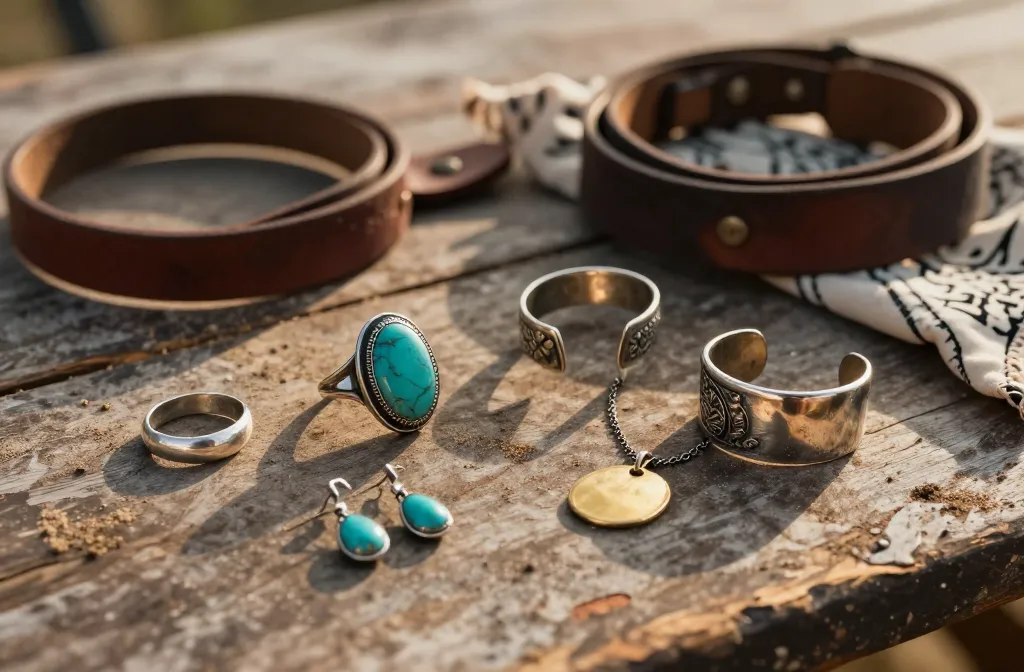
Western Rings & Jewelry Guide — Pieces Worth Owning
Western rings & jewelry live best where real life happens — a gravel church lot, a long table of potluck pies, a dance floor that’s seen three generations. I’ve lost an earring in a hayfield and learned which clasps hold through a two-step. By the end of this guide, you’ll know which pieces are worth owning, how to choose metals and stones that last, and how to wear them from weekday chores to wedding pews without fuss. We’ll keep it grounded in comfort, price bands, and what stands up to weather and work.
Quick housekeeping: Some of these links pay the blog a little commission. It doesn’t change the price, and it’s never why something made the list.
What Is a Western Jewelry Working Set?
Build around six pieces: one everyday ring, one statement ring, a slim cuff, a heavier cuff, one pendant, and two pairs of earrings. That handful covers everything from errands to rodeo Saturdays without scrambling.
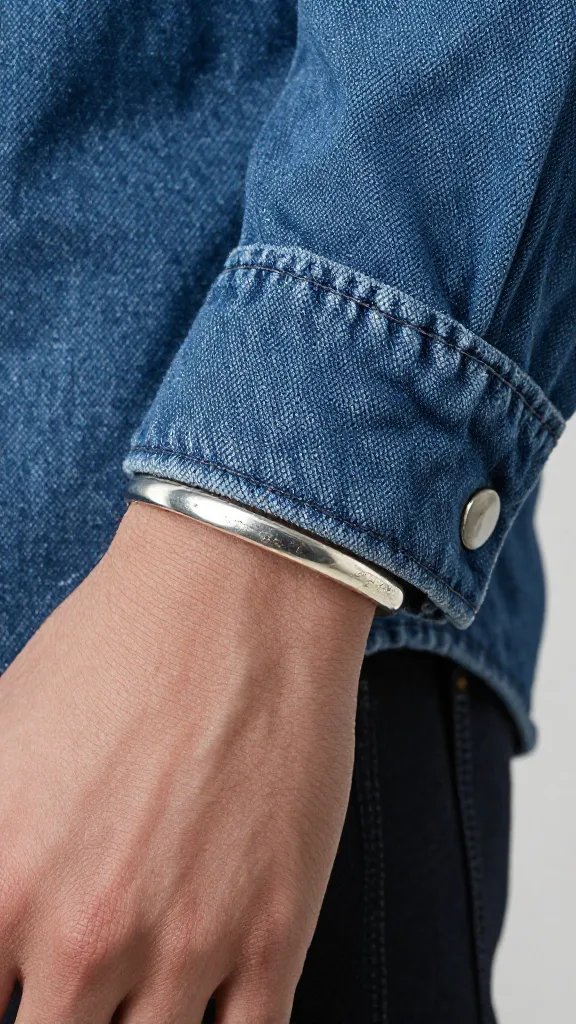
The principle is simple: fewer, better. One everyday ring in sterling silver or solid gold that fits low and smooth. A slim cuff for weekdays. A heavier cuff for dressier days. A pendant on a chain that handles both crewnecks and button-downs. Stud earrings for hats and wind, drops for evenings. That’s the kit.
Thirty years of barn weddings taught me that jewelry you forget you’re wearing is the jewelry you keep reaching for. When a piece earns its place, it’s because it lies flat, doesn’t snag, and still looks good under dusty light. A friend of mine out near Santa Fe wears nothing but a single turquoise ring and a thin silver cuff every day — twenty years, the ring is part of her hand. My firm opinion, said with care: don’t buy cheap western jewelry twice — buy good pieces once and let them serve you for years.
Which Western Rings Earn Daily Wear?
An everyday ring should sit low with a smooth bezel so it clears gloves and doorknobs. A statement ring needs a solid backplate and a shank that doesn’t pinch when summer heat swells your hands.
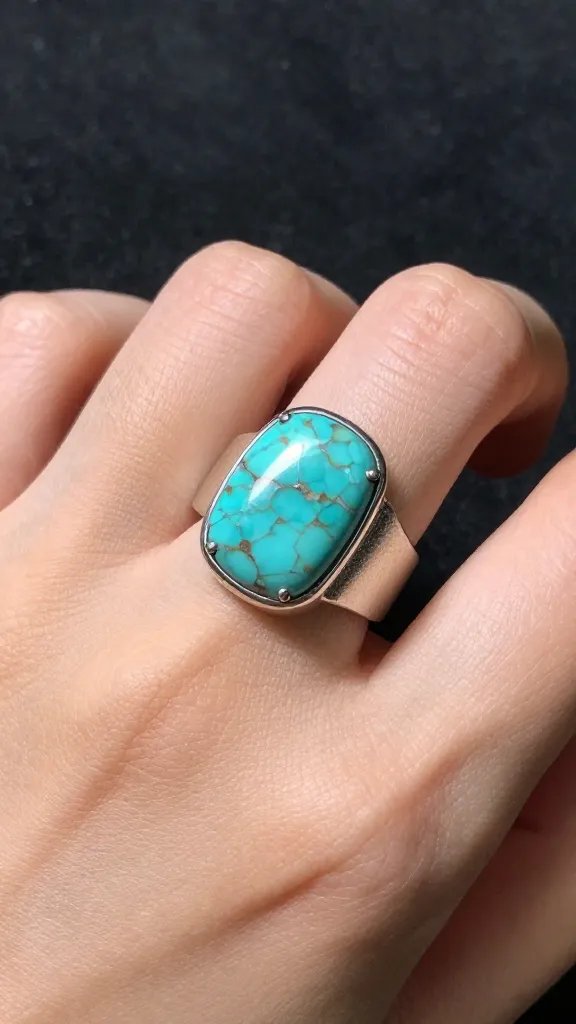
Start with an everyday ring in sterling silver or solid gold that fits low and smooth on the finger. A narrow band with subtle engraving or a slim turquoise cabochon rides well under gloves and doesn’t bang against doorknobs. I learned the hard way that tall settings catch on knit cuffs; I watched a prong snag the lining of a denim jacket and had to smooth it with a nail file in the truck before a barbecue.
For a statement ring, think one larger stone or an inlay face that covers part of the finger without tipping over the knuckle. Look for a solid backplate, even bezel, and a shank that doesn’t pinch when your hands swell a bit in summer. If you stack, limit it to two rings per hand, one with movement and one quiet, so you keep dexterity. Under-$50 rings can be fun test pieces, but for the one you’ll wear weekly, aim for mid-tier sterling or the buy-once splurge in solid metal. One turquoise ring with a clean bezel, paired with a plain silver band, reads collected rather than costume — which is the difference that separates western style from a souvenir stand.
What Should You Know Before Buying a Turquoise Ring?
Turquoise ranks 5–6 on the Mohs hardness scale — softer than household dust — so it needs a protective bezel setting and gentle care to survive daily wear.
This is where most guides leave you hanging, and it matters. Turquoise ranks 5 to 6 on the Mohs hardness scale, which means it’s softer than the quartz particles floating in ordinary household dust (those sit at a 7). Translation: a turquoise ring worn daily will slowly lose its polish from normal handling unless the stone is protected by a bezel that rises above it. Natural turquoise is also porous — it can absorb sunscreen, lotion, and even perspiration, which shifts its color over time. Stabilized turquoise (treated with a clear resin to harden it) holds up much better to sweat and summer heat, and that’s the version I’d choose for an everyday piece.
When shopping, ask whether the stone is natural, stabilized, or dyed. Natural is pricier and more delicate. For the turquoise jewelry guide I wrote last season, I went deeper into the different mine sources — Kingman, Sleeping Beauty, Royston — and what their color ranges look like set in silver.
Which Necklaces and Pendants Do You Actually Wear?
A slim pendant on an 18–20 inch chain handles everyday shirts; a heishi strand or beaded necklace with shell or stabilized turquoise lays flat and reads western without shouting.
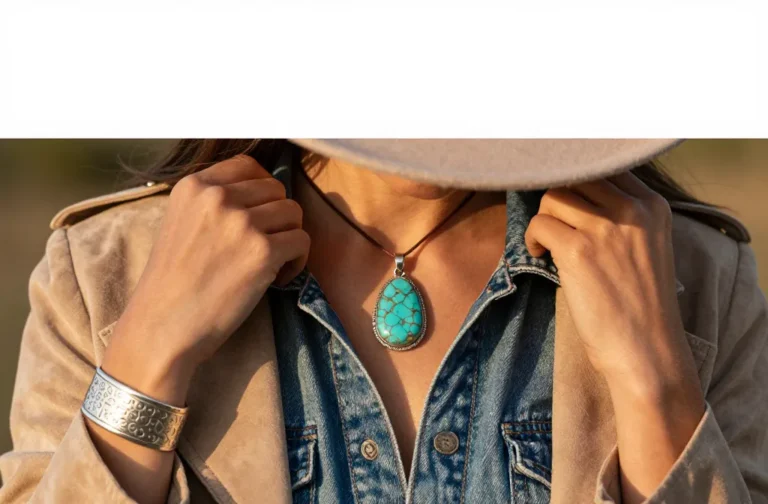
A slim pendant on an 18–20 inch chain handles everyday shirts and button-downs. A small turquoise teardrop, a sterling charm with a simple stamp, or a round mother-of-pearl disc plays nicely with collars. For dressier moments, a heishi strand or a short beaded necklace with shell, jet, or stabilized turquoise lays flat and reads western without shouting.
If you love the drama piece, try a larger concho pendant on a leather cord or a heavier chain. Wear it alone over a plain crew tee or a chambray dress. I have one silver squash-blossom–inspired pendant I bring out for late-summer dances out near the kind of outfit I put together for our cowgirl style guide; it’s never seen the inside of a jewelry box for long because it sits comfortably and doesn’t roll when I move.
For turquoise layering ideas — how to stack necklaces without reading like a trading post display — the turquoise layering guide covers chain lengths and pendant balance in detail.
What Earrings Work with Hats, Hair, and Two-Stepping?
Keep studs in turquoise, onyx, or plain silver for windy days and hats; for dancing, choose drop earrings with lever-back closures in the 1–2 inch range so nothing gets lost in a pasture.
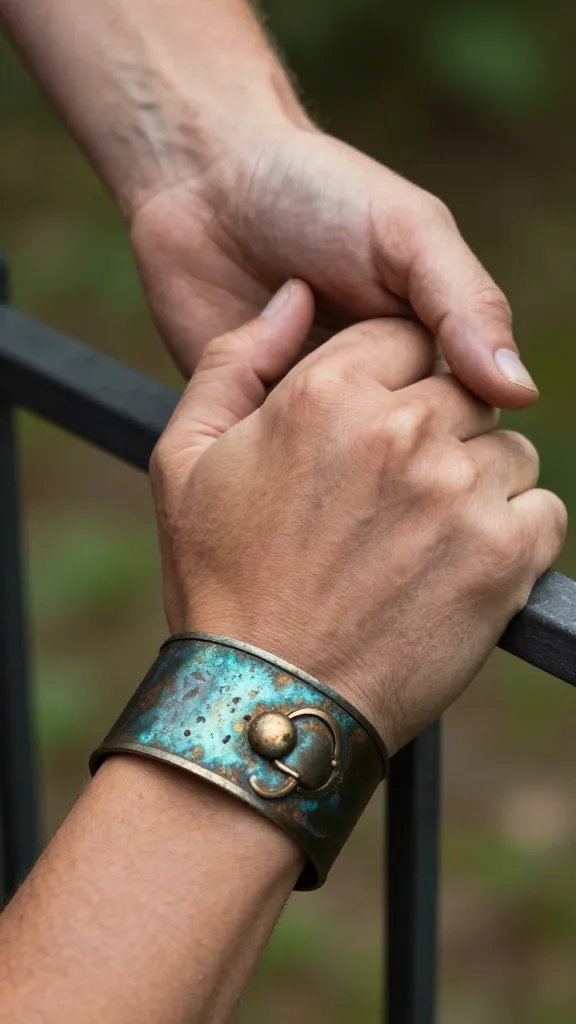
Keep a pair of studs in turquoise, onyx, or plain silver for hats, scarves, and windy days. They won’t tangle with hair ties or brush collars. For evenings, a set of drop earrings in the 1–2 inch range gives movement without catching. Wire hooks should have a secure curve; lever-backs are even better if you’re dancing. I once lost a single teardrop in a pasture after a tailgate dinner and spent twenty minutes with a flashlight — since then I favor lever-backs for anything beyond a stud. You can read more about what works and what doesn’t in the turquoise earrings guide.
Big chandelier styles have their moment, but consider weight — anything that tugs your lobe is a headache by dessert. If you want width, look for concho drops with hollow construction or domed repoussé that gives size without heft.
Which Bracelets and Cuffs Are Worth the Money?
A slim oval cuff in sterling or brass is the wear-all-week piece; a heavier stamped cuff belongs to weddings and photos. Stack three at most: one texture, one stone, one plain.
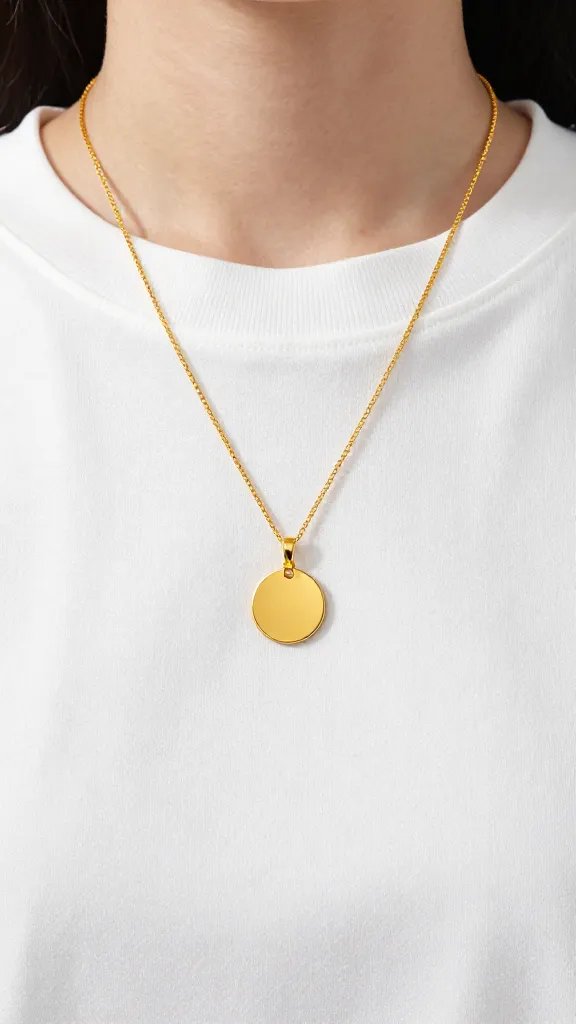
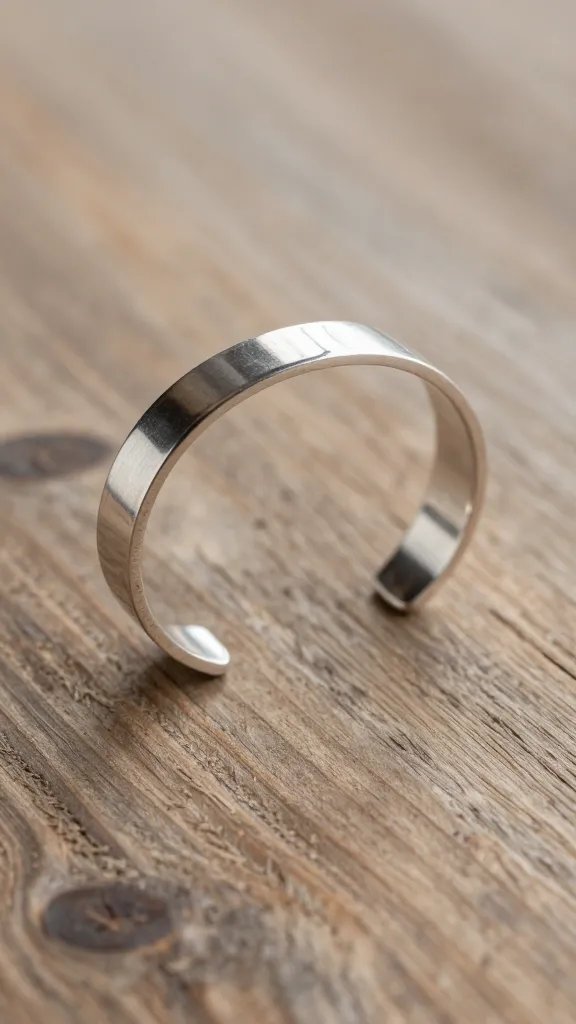
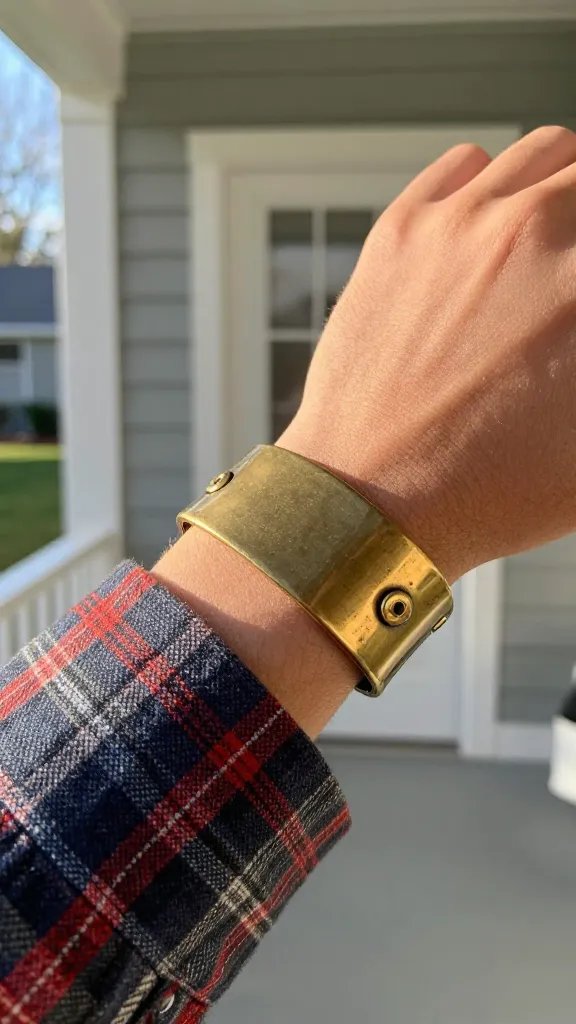
A slim cuff in sterling or brass is the wear-all-week piece. Oval-shaped, softly flexible, and smooth-ended means it won’t bite when you rest your wrist on a desk or steering wheel. A heavier cuff with a single stone or stampwork belongs to weddings, graduations, and photos — choose one that sits snug so it doesn’t spin under sleeves.
If you stack, keep it to three: one texture, one stone, one plain. Mixing metals is fine when the forms relate — a smooth gold bangle with a stamped silver cuff works because the silhouettes are clean. I once wore a stack that clacked through a church service out near Fredericksburg; the woman beside me leaned over and said, “Honey, your wrists sound like a screen door.” Since then, I test bracelets by resting my wrist on a wooden arm and turning it — noisy stacks get edited.
How Do Belts and Buckles Talk to Your Jewelry?
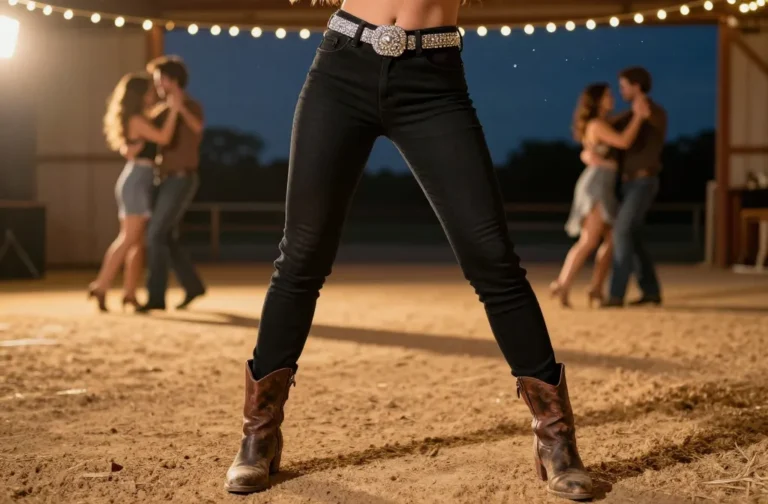
If your buckle is large or engraved, let necklaces stay quiet and earrings be studs; if the belt is a plain strap with a modest buckle, bring out the concho pendant or a larger ring.
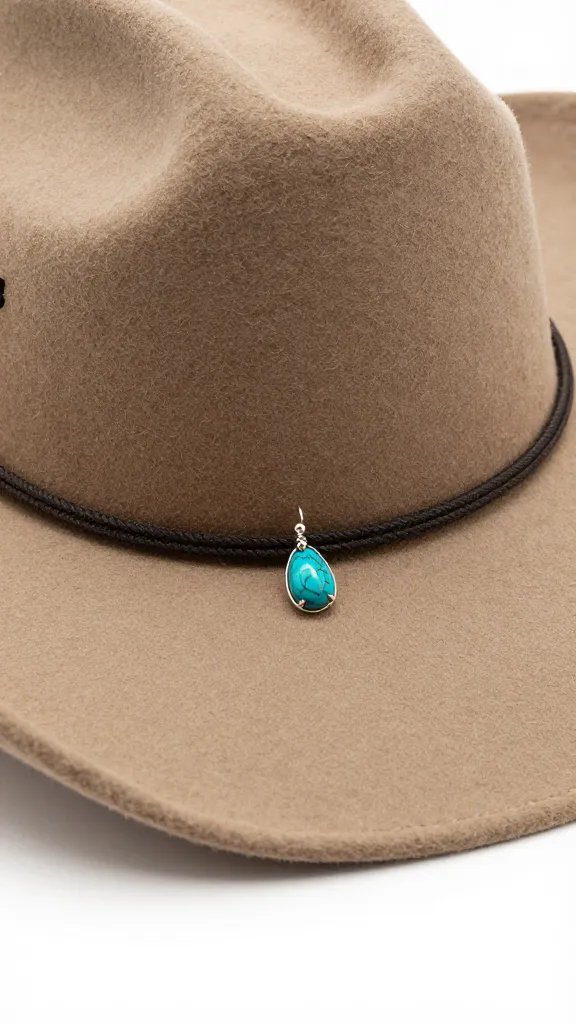
Western jewelry and a statement buckle share the stage. If the buckle is large or highly engraved, let your necklace stay quiet and your earrings be studs. If your belt is a plain leather strap with a modest buckle, feel free to bring out the concho pendant or the larger ring. The same goes for concho belts: treat them like a necklace at your waist; keep upper-body jewelry simple so you don’t read busy.
What Metals Actually Last — and What Triggers Allergies?
Sterling silver and solid gold are the most durable for daily western wear; about 15% of people are allergic to nickel, so always confirm your silver is alloyed with copper, not nickel.
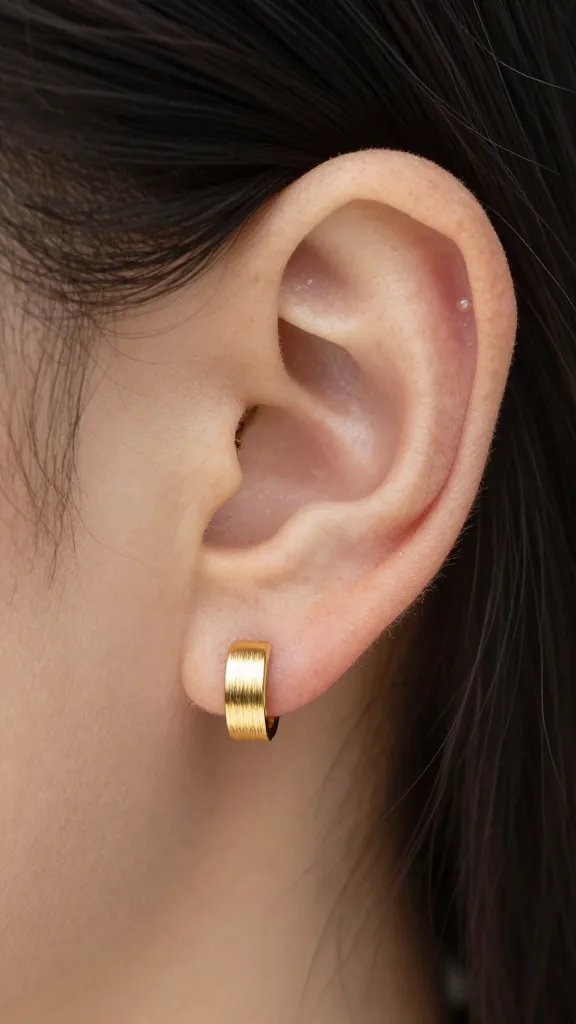
Sterling silver is the workhorse: polishable, repairable, and right at home with denim. Solid gold (yellow or rose) is the splurge for everyday bands or small pendants; it disappears into your life and never tarnishes. Gold-fill and vermeil are honest mid-range choices for necklaces and earrings; avoid them for rings if your hands are rough on finishes.
Here’s what nobody tells you about metal sensitivity: roughly 15 percent of people — women far more than men — are allergic to nickel, which is the most common cause of jewelry-related skin reactions. The good news is that genuine 925 sterling silver uses copper (not nickel) as its strengthening alloy, making it safe for most sensitive skin. The hidden risk is in cheap imported pieces where manufacturers swap in nickel instead of copper to save money. Always look for a .925 stamp and, if you can, buy from sellers who confirm nickel-free alloy. The term “hypoallergenic” itself is unregulated in jewelry, so the stamp matters more than the label.
For stones, turquoise is the icon. Natural is pricier and can be softer; stabilized holds up better to daily wear and sweaty summers. Onyx, mother-of-pearl, lapis, coral, jet — all classic and sturdy when bezel-set. Ask about backing on larger stones; a solid, well-fitted bezel with smooth edges outlasts glue-only settings by years.
How do the common western jewelry metals compare?
Solid gold lasts a lifetime but costs the most; gold-filled endures 10–30 years; sterling silver is repairable and affordable but tarnishes; vermeil offers a gold look over silver for 1–3 years of prime wear.
| Metal | Construction | Typical Lifespan | Tarnish? | Best For |
|---|---|---|---|---|
| Solid gold (14K/18K) | Pure gold alloy throughout | Lifetime | No | Everyday rings, heirloom bands |
| Sterling silver (.925) | 92.5% silver, 7.5% copper | Years with care | Yes, polishable | Rings, cuffs, everyday pieces |
| Gold-filled | 5% gold by weight bonded to brass core | 10–30 years | Rarely | Necklaces, earrings, cuffs |
| Gold vermeil | 2.5+ microns gold over sterling silver | 1–3 years prime | Slowly | Pendants, earrings, occasional wear |
| Gold-plated | ~0.5 microns gold over base metal | Months | Yes, quickly | Trend pieces, short-term wear only |
One thing I want you to know that almost no guide mentions: if a sterling ring shank cracks or a gold band needs resizing, any competent jeweler can solder it back together. That’s not true for gold-filled or plated pieces — once the outer layer is compromised, the repair is visible or impossible. That’s part of why solid metal earns its price. It’s not just the material; it’s the decades of repairs waiting for you on the other end.
How Do You Wear Western Jewelry Three Ways?
Workday and Errands
Everyday ring, slim cuff, small pendant, stud earrings — pieces lie flat so nothing snags on a grocery cart or gate latch.
Denim shirt or knit tee, clean boots, hair tied back. The idea is that you put these on and forget about them until someone compliments you at the feed store.
Rodeo or Dance Hall
Statement ring, drop earrings, heishi or concho pendant, one additional cuff if your sleeve is short.
I keep a soft cloth in the glove box to wipe dust before we step inside; takes ten seconds and keeps the shine for photos.
Barn Wedding or Church
Heavier cuff or quiet stack, small pendant or squash-blossom–inspired centerpiece (not both), studs if you’re wearing a hat.
If your dress has embroidery or lace at the neckline, skip the necklace and let the earrings and ring carry it.
What About Fit, Scale, and Comfort?
Petite hands favor medium ring faces and low profiles; broader hands handle wider shanks. Chain length should match collar style: 18 inches for crewnecks, 20–24 for button-downs.
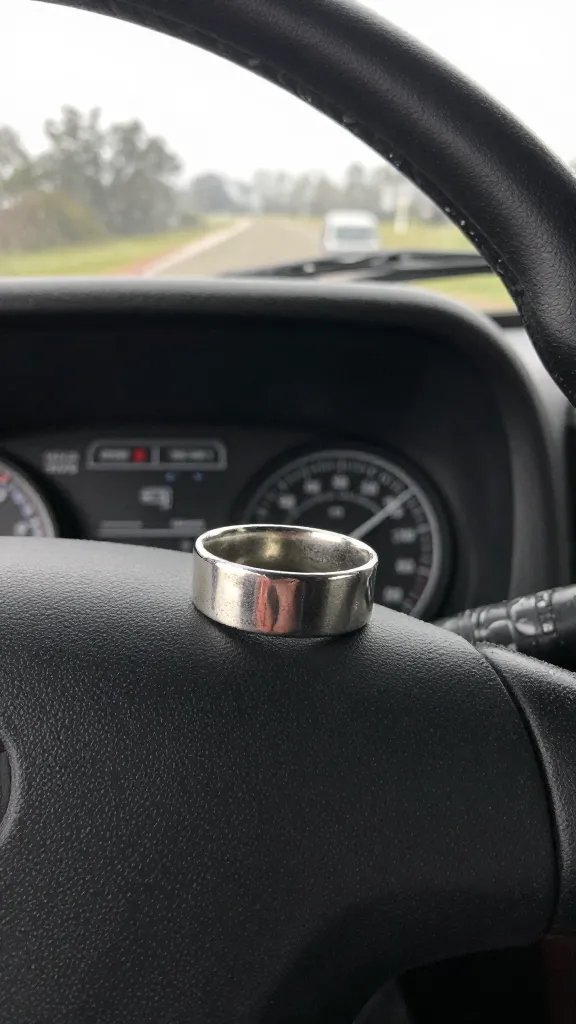
Scale is about balance. Petite hands favor medium faces and lower profiles on rings; broader hands handle wider shanks and larger bezels without looking crowded. Neck length and collar style steer chain choice: 18 inches for crewnecks, 20–24 for button-downs and V-necks. If a piece hurts, pinches, or asks you to fuss with it, it does not belong in your keep pile. Comfort is the only test that matters at 10 p.m. when the dance ends and you still have a walk to the truck.
Where Should You Spend — and Where Should You Save?
Under $50 is for testing shapes and lengths; $50–$200 is the sweet spot for sterling everyday pieces; $200 and up is where you buy the heirloom version — the solid gold band, the large-stone statement ring, the heavy cuff.
- Under $50 — Cotton or leather cords, simple studs, beaded strands for color tests. Great for trying lengths and shapes before committing.
- $50–$200 — Sterling studs and drops, slim cuffs, small pendants, stabilized turquoise rings with tidy bezels. This is the sweet spot for most wardrobes.
- $200–the buy-once splurge — Statement rings with larger stones, heirloom cuffs, heavy chains, solid gold everyday bands. Buy the classic version, not the novelty one.
How Do You Care for Western Jewelry Without Ruining It?
Store silver pieces separately in zip bags or a lined tray, wipe with a soft cloth after wear, and never use ultrasonic cleaners or heat on turquoise — warm soapy water and air drying are all you need.
Store silver in small zip bags or a lined tray, pieces separate so stones don’t rub. Wipe with a soft cloth after wear; a tiny bit of dish soap and water handles sweat and sunscreen — dry fully before putting away. Use a gentle silver polishing cloth, not abrasive pastes, especially near stones. I dried out rain-soaked boots with newspaper once and learned the same principle for jewelry: slow, simple, no heat — never a hair dryer on stones. The GIA confirms that turquoise can be discolored by chemicals, cosmetics, and even perspiration, so put your jewelry on last, after lotions and sunscreen are absorbed.
What Should You Skip — the Money-Wasters?
Avoid too-tall ring settings, rough backs, unmarked base metals for rings, and necklaces that flip — these are the pieces that end up in a drawer within a month.
- Too-tall ring settings — they catch on jackets and crack stones.
- Rough backs or sharp edges — they chew up knit cuffs and handbag linings.
- Unmarked base metals for rings — finishes wear fast on hands; save plated pieces for earrings or necklaces where they last longer.
- Necklaces that flip — test a pendant on your shirt before buying; if it rolls on a plain tee, it will fight every outfit.
How Does Western Jewelry Pair with Workwear and Weekends?
With a blazer and jeans, keep it quiet — everyday ring, slim cuff, small pendant. With a denim dress, add one conversational piece and stop there.
With a blazer and jeans, keep it quiet: everyday ring, slim cuff, small pendant. With a denim dress, add one conversational piece — statement ring or concho pendant — and stop there. For weekends in the sun, earrings and bracelets do more work than necklaces, since hats and sunscreen complicate chains. I keep a little tin in the truck for earrings so I can switch from studs to drops when plans change after chores.
Frequently Asked Questions
How do I size western rings if my fingers swell in heat?
Size for the larger part of your day and choose a medium-wide shank with a smooth inside; if you’re between sizes, go up and use a small silicone ring guard in cooler months.
What metals are safest if I have sensitive skin or a nickel allergy?
Nickel-free 925 sterling silver (alloyed with copper, not nickel) and solid 14K or 18K gold are the safest choices for daily wear. Avoid gold-plated jewelry over brass, which often contains nickel beneath the thin gold layer.
Can I wear turquoise rings every day without damaging the stone?
You can, but turquoise ranks only 5–6 on the Mohs scale, so choose a bezel setting that rises above the stone to protect it from scratches and knocks. Wipe the stone after wear and keep it away from sunscreen and chemicals, which can shift its color over time.
How should I pair a concho belt with other western jewelry?
Let the belt be the star — skip the necklace or wear a very simple pendant, choose stud earrings, and limit yourself to one ring. A busy belt plus a busy neckline reads cluttered instead of curated.
What necklace length works best with a western shirt or button-down?
Twenty inches sits just below the collar when one or two buttons are open; if you want the pendant to drop into the V, go 22–24 inches. Try the chain over the shirt first to prevent the pendant from tangling with the placket.
Can western jewelry work at a formal wedding?
Yes — choose a single stone ring with a clean bezel, a smooth cuff, and either studs or modest drops in polished silver or gold. If your dress has beading or embroidery at the neckline, skip the necklace and let the metals do the quiet work.
Ready When You Are
Lay out your working set tonight: one ring, one cuff, one pendant, one pair of studs. Try them with tomorrow’s shirt and see what fights and what behaves — your keepers will be obvious. The rest can wait in the drawer until they earn their turn.
Keep exploring: the turquoise jewelry guide and cowgirl outfits complete style guide go well with this one. For the polish that plays well with real stones, Sadie’s western nails guide is worth a look too.
Questions about a stone, metal mix, or how to pair with a dress you already own? Leave them below and I’ll help you sort it — love, Dottie Rae