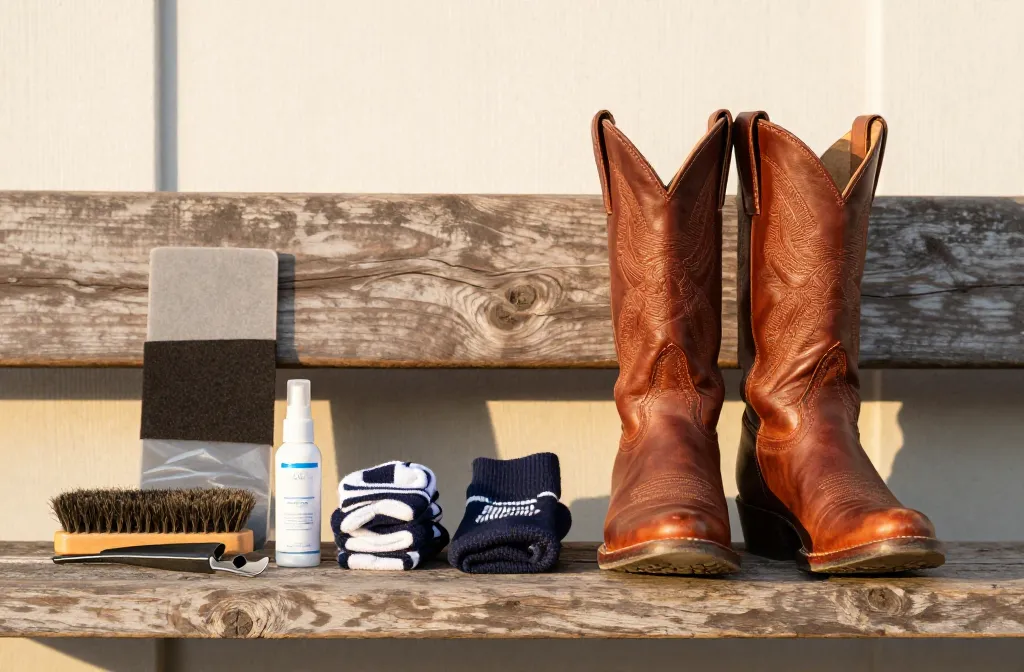
New Cowboy Boots Guide — How to Break Them In Fast
New Cowboy Boots Guide isn’t about suffering through blisters; it’s about smart steps that get you to comfortable miles quickly. I once broke in a stiff pair the week before a county fair and still made it through two nights of two-step without a hot spot. By the end of this, you’ll have a clear, fast method for breaking in new cowboy boots in days, not months — plus the small fixes that save your ankles and your socks. We’ll cover the right socks, heat-and-cool shaping, how to walk them in without limping, and what not to do that ruins leather.
Quick housekeeping: Some of these links pay the blog a little commission. It doesn’t change the price, and it’s never why something made the list.
What You Need — Simple Tools That Work
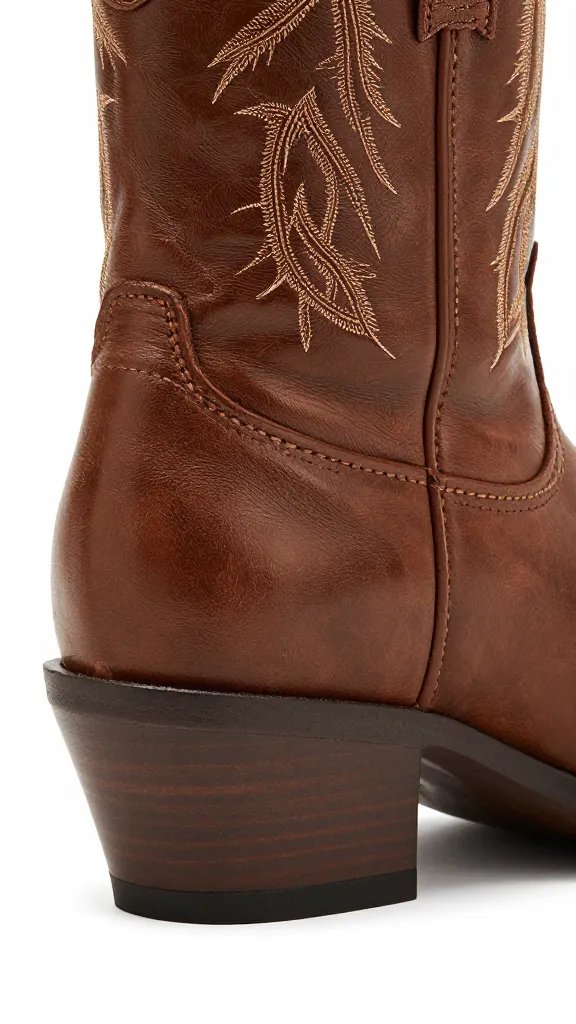
- Two sock weights — a thin moisture-wicking pair and a medium cushioned western boot sock.
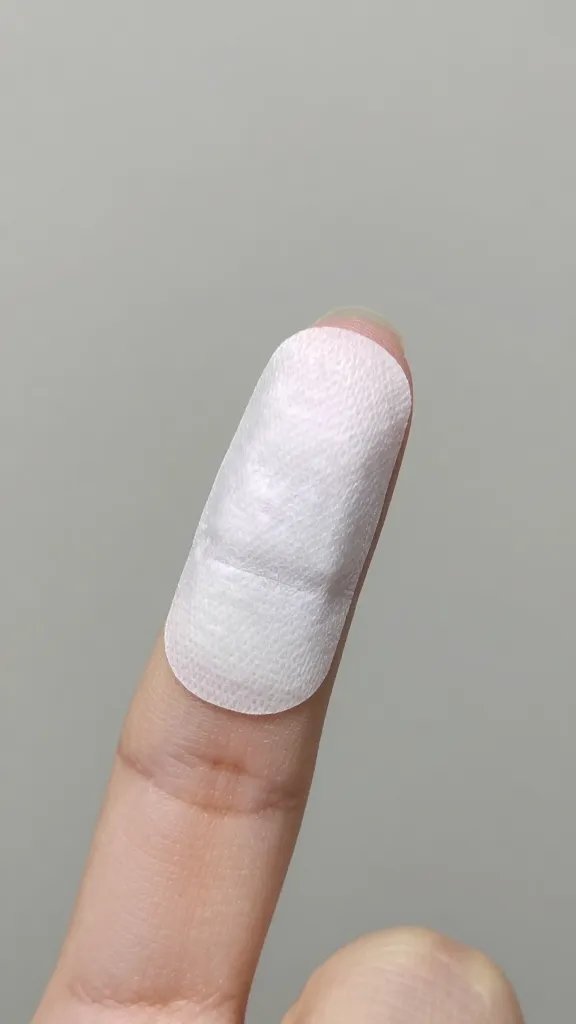
- Moleskin or gel blister pads — for heel and toe protection.
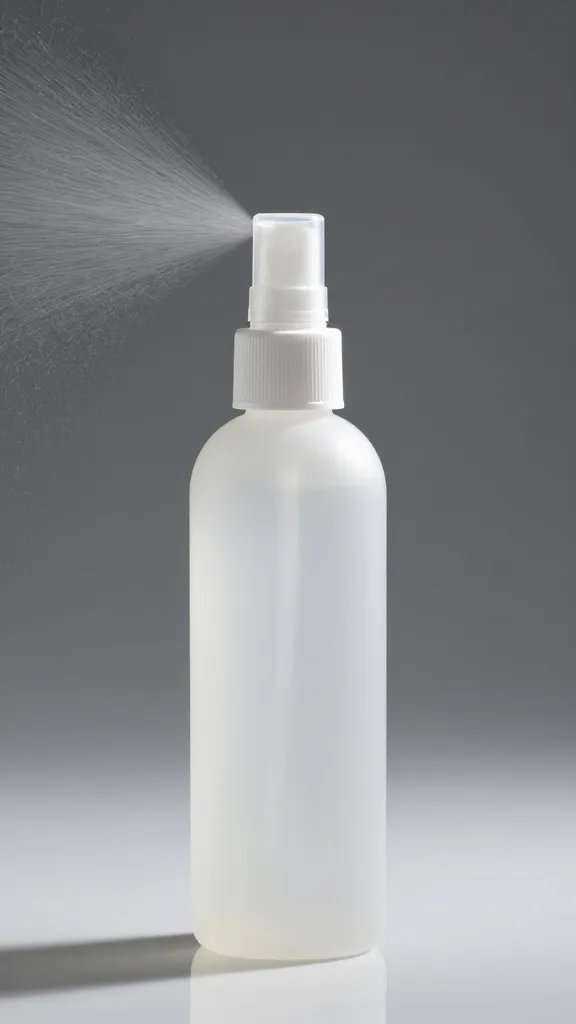
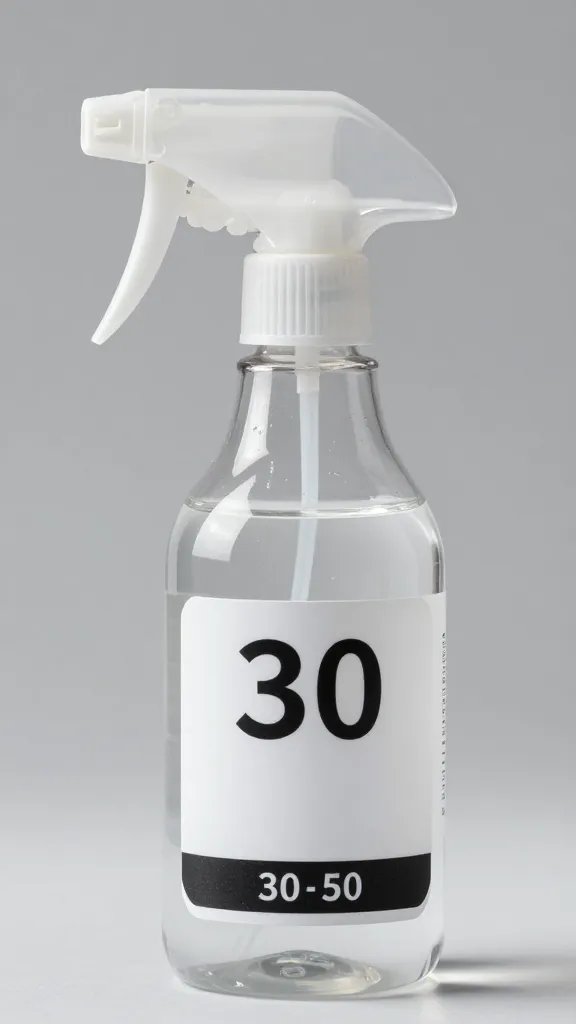
- Boot stretch spray — leather-safe, or a 50/50 mix of water and rubbing alcohol in a small spray bottle for the interior only.
- Boot trees or rolled newspaper — to hold shape overnight.
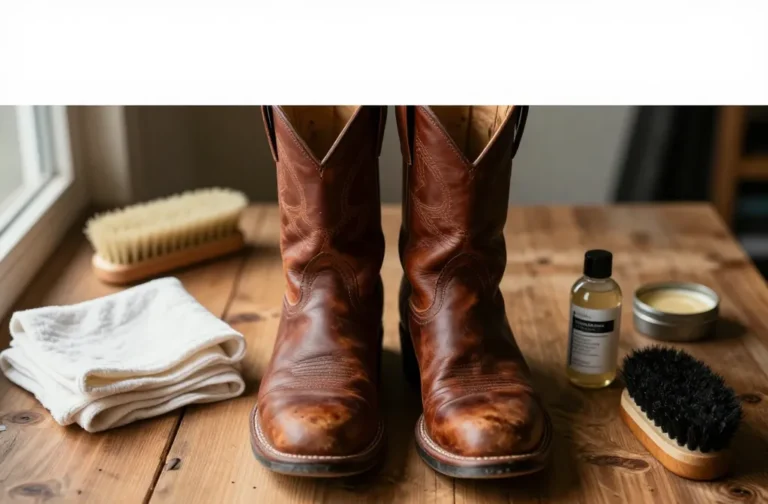
- Horsehair brush — for dust; new leather still needs basic care.
- Leather conditioner (cream) — light formula for after the first week.
- Thick plastic bag — helps slide in and out during early tries.
- Shoe horn — saves the heel counter from being crushed.
The Fast-Break-In Plan for Cowboy Boots — 5 Days, 20–40 Minutes a Day
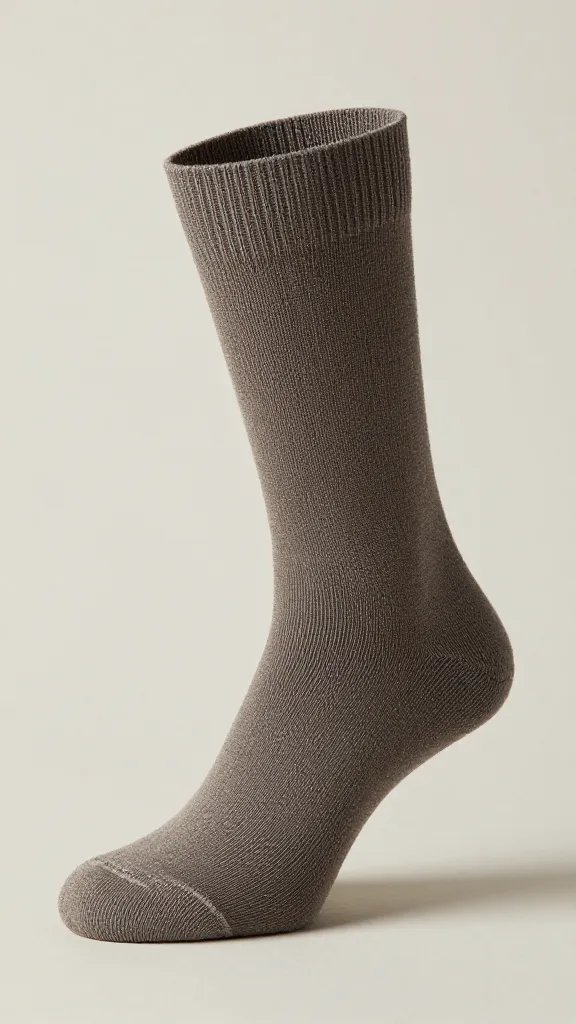
- Day 1: Sock-and-Stand — Put on thin socks plus moleskin where you usually rub (for most people, back of heel and outer little toe). Slip on each boot using a shoe horn or a plastic bag over your foot. Walk indoors on carpet or a rug for 10 minutes, then stand with feet shoulder-width, gently rocking forward and back to flex the vamp for another 10. Take them off, insert boot trees. I learned this the hard way after creasing a good pair wrong by slumping on the couch too long — flex on your feet, not bent under you.
- Day 2: Targeted Stretch — Lightly mist the inside of the boot where it feels tight (toe box sides, instep, or heel pocket) with boot stretch spray. Don’t soak. Put on medium boot socks. Wear the boots indoors for 20–30 minutes, including a few flights of stairs or a gentle squat-and-rise set to flex the ankle area. Tree them again.
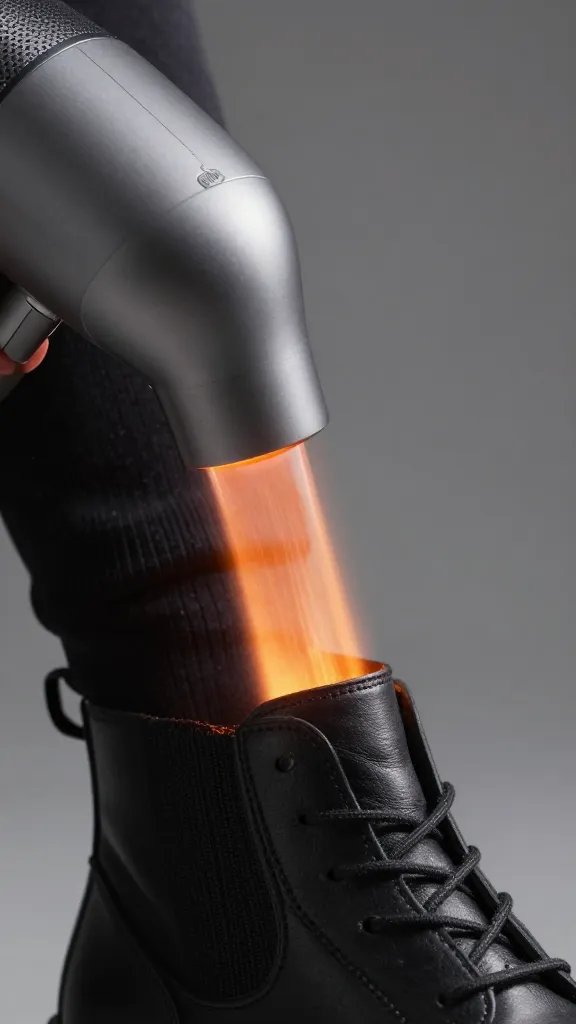
- Day 3: Heat-and-Cool Shape — Warm the boots slightly from the outside with a hair dryer on low, 8–10 inches away, moving constantly for 60–90 seconds over the tight zones. Slide your feet in immediately with medium socks and walk 20 minutes. As they cool on your feet, they set to your shape. Brush off any dust and tree them.
- Day 4: Short Real Wear — Take them outside onto firm ground for a controlled hour: errands, a church lot, or the feed store. Bring backup shoes in the car. Add moleskin if anything whispers “blister.” I once swapped to sneakers halfway through a long grocery run and saved myself a week of healing — pride won’t help your heels.
- Day 5: The Finishing Stretch — Repeat a light mist inside the hot spots, medium socks, and give them 45–60 minutes of mixed walking: gravel, grass, and smooth floor. Afterward, a fingertip of leather cream on the vamp and heel counters — just enough to keep flex creases soft. Let them rest overnight with trees.
Fit Checks That Save You Weeks
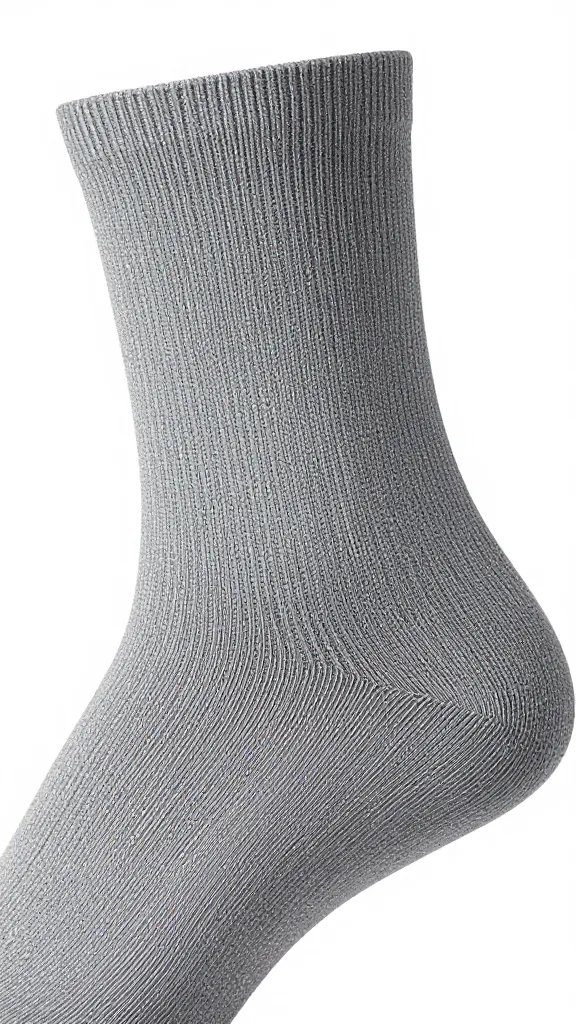
Before you start this plan, stand in the boots on a hard floor. You want a firm instep hold and a quarter-inch heel slip when new; slip reduces as the outsole flexes. Toes should wiggle freely; if one nail hits the front wall, that size or toe shape is wrong. I return boots that pinch the sixth step I take — breaking in should ease snugness, not correct pain. If the ball of your foot doesn’t sit at the widest part of the boot, the last is wrong for you; no spray fixes that.
Toe Shapes and How They Break In
Pointed toes relax at the sides, not the tip; if your big toe is jammed dead-on, pick a different last. Square and round toes open fastest across the forefoot. Tall shafts ease at the calf over a week; if a shaft bites your calf through jeans on day one, look for a wider shaft measurement — don’t count on stretch there.
Smart Ways to Soften Stiff Spots on Cowboy Boots
For a tight heel counter, press the back of the boot gently with your thumb while the leather is warm from your walk — slow pressure, not folding. For a stubborn instep, mist inside, then use your fist to flex the vamp upward while the boot is braced on your knee. I’ve also slid a thick wool sock over a baseball and tucked it into the toe box overnight to ease width by a whisper; it works, but don’t force it hard enough to warp stitching.
Socks, Insoles, and Small Shields That Change Everything
Wear one pair of good boot socks, not two layers. Doubled socks move against each other and cause blisters. Choose a moisture-wicking blend with a padded heel tab and no bulky seam at the toes. If you need a touch more hold, a low-volume insole or thin leather insole can reduce heel slip without cramping the forefoot; trim carefully and test indoors. I keep moleskin in my glove box — a strip across the back of my heel has saved more than one wedding reception.
Weather-Aware Break-In: Heat, Dust, and Rain
Warm leather molds faster, but never leave boots in a hot car or near a heater — it dries fibers and invites cracks. Dust behaves like sandpaper inside a boot; brush socks and feet off if you’re trying them after a dusty day. If rain catches you early in the break-in, stuff the boots with newspaper to draw moisture, replace it after 30 minutes, and let them dry at room temperature 24 hours before the next wear. I dried a soaked pair that way after a fairground storm and they broke in cleaner than the pair I babied.
What Not to Do — The Things That Ruin Good Boots
- Do not soak boots in water to “speed stretch.” It weakens leather and warps counters.
- Do not oil new boots heavily during break-in. Over-softening collapses support and attracts dirt.
- Do not slam the heel on the ground to seat your foot. Use a shoe horn; protect the counters.
- Do not drive long distances during early days. Pedals bend the vamp sharply and create hard creases.
- Do not force width with hard objects beyond a gentle overnight nudge; stitching is not elastic.
- Do not skip socks, even for a “quick test.” Bare skin raises blisters fast.
Upkeep Rhythm After the Break-In
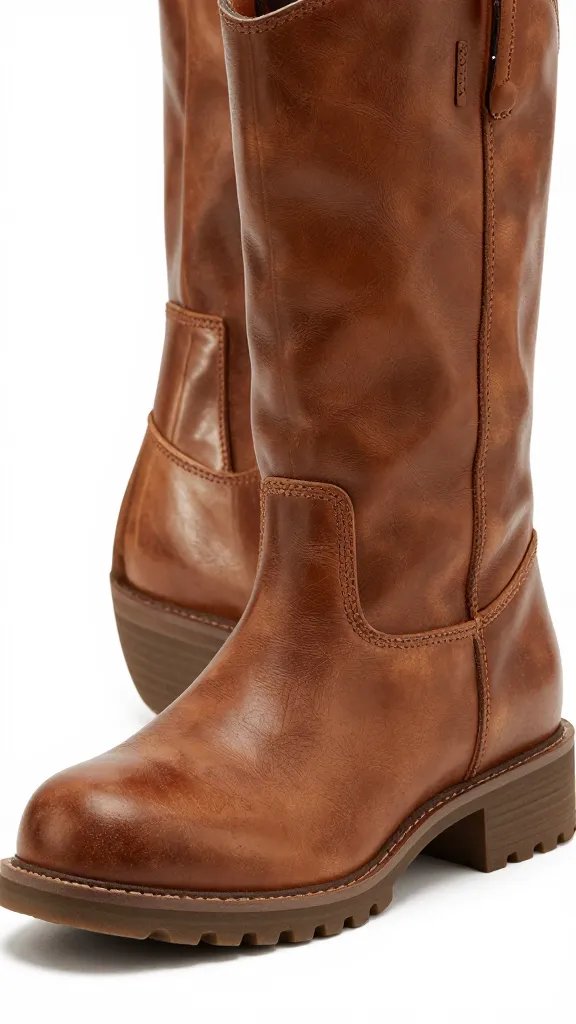
- After each wear — Brush dust, tree them, air them 30 minutes before the closet.
- Monthly — Wipe with a slightly damp cloth, then a small amount of cream conditioner on flex points.
- Seasonally — Check heels and outsoles for even wear. When the heel rubber thins by half, replace it before you slide. Catching it early keeps the rest of the boot square.
- As needed — If the heel pocket gets loose, add a thin heel grip; if the instep dries, condition lightly and wear warm for an hour.
When to See a Cobbler — And What to Ask For
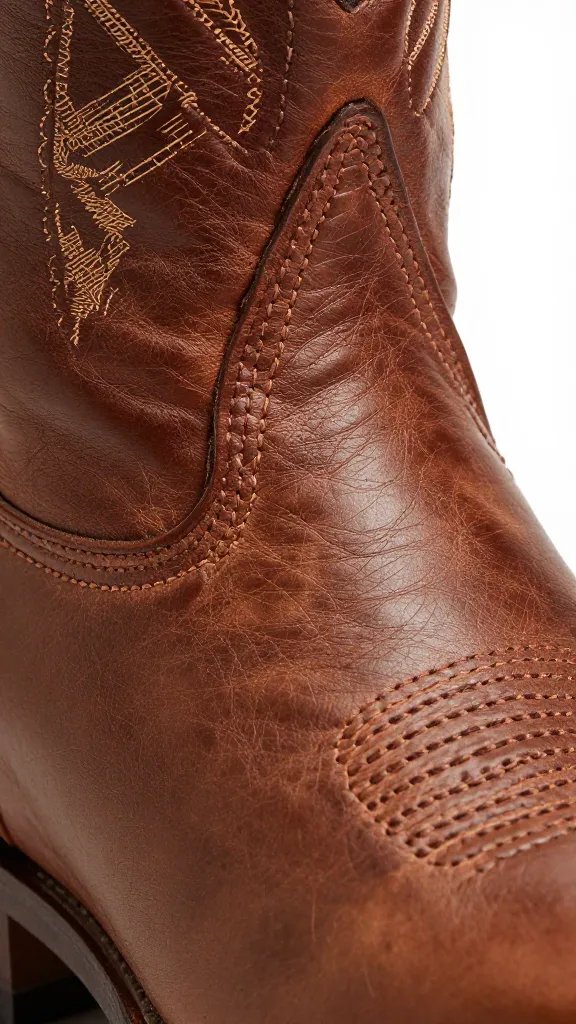
If the fit is close but not perfect, a cobbler can stretch width or instep by a measured amount, usually one size in width or less. Ask for a spot stretch on the toe joint rather than a full forefoot if only one area bites. They can also add a thin leather insole or adjust heel lifts to reduce slip. I’ve had a pair widened a touch at the fifth metatarsal and it turned them from “pretty” to everyday working comfortable.
My One Firm Opinion, Kindly
Don’t buy cheap boots twice — buy good ones once, and give them a thoughtful week to become yours.
Frequently Asked Questions
How long do cowboy boots take to break in?
With the plan above, most cowboy boots feel good in 5–7 days of short wears. Truly stiff leathers may take two weeks, but comfort should improve every session. If pain stays sharp after three indoor wears, the fit or last is wrong.
Can I stretch cowboy boots at home safely?
Yes, lightly. Use boot stretch spray inside tight areas, wear medium socks, and walk 20–30 minutes. Combine with gentle low heat from a hair dryer at a distance, and always let them cool on your feet so they set to your shape.
What socks are best for breaking in cowboy boots?
A single moisture-wicking boot sock with medium cushioning and a smooth toe seam. Skip cotton gym socks; they hold sweat and rub. If you need more hold, add a thin insole rather than a second pair of socks.
Should new cowboy boots slip at the heel?
A quarter-inch of heel slip is normal and helpful on new cowboy boots. As the outsole flexes and the insole beds in over a week, that slip will ease. If your foot is lifting more than that, try a thin insole or heel grip.
Is it okay to get cowboy boots wet during break-in?
Light rain won’t ruin them, but don’t soak them to speed things up. If they get wet, stuff with newspaper, replace it once, and dry at room temperature away from heat. Condition lightly the next day on flex points.
Go On and Start
Lay out two pairs of socks, a bit of moleskin, and five quiet evenings. Ten minutes tonight gets you closer to that easy stride you’re after. Tomorrow, you’ll already feel the difference.
Keep exploring: Cowboy Boot Care Guide and Suede Western Boots Cleaning Guide go well with this one. If you’re still shopping for the right pair, Sadie’s cowgirl boots buying guide is worth a look too.
Questions while you work through it? Ask me anything in the comments — love, Dottie Rae



2 Comments