
Turquoise Jewelry Layering Guide — How to Stack It Right
Turquoise jewelry layering comes down to three things: balance, spacing, and knowing when to stop. I learned that at a ranch wedding years ago when I piled on half my jewelry box and spent the whole reception fussing with a necklace that wouldn’t lie flat. By the end of this guide, you’ll know how to choose the right pieces, stack them three clear ways, and keep them from tangling, clanking, or stealing the show from your outfit — a plan that works from church pews to dance floors to long drives on gravel roads. (If you’re new to the stone itself, our turquoise jewelry guide covers what to look for before you start stacking.)
Quick housekeeping: Some of these links pay the blog a little commission. It doesn’t change the price, and it’s never why something made the list.
What Makes Turquoise Layers Actually Work?
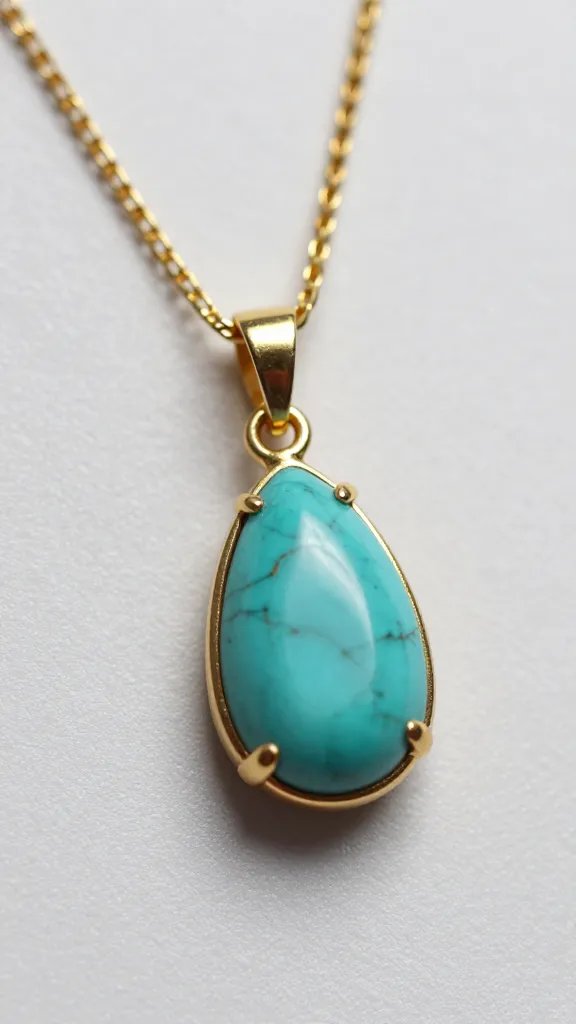
Each piece earns its place: one anchor, one support, one texture lift, all in the same metal family. Layers succeed when you start with a single strong element — a pendant, a cuff, a bold ring — then repeat your metal and vary shape and scale. I like one anchor, one quieter supporting piece like a strand of heishi beads or a narrow bangle, and one fine-textured piece for lift: a thin chain, a seed-bead bracelet. My firm opinion, stated kindly: don’t buy cheap turquoise twice. Buy one real piece you’ll wear for a decade, then build around it with honest silver, leather, or beads.
How Heavy Should Turquoise Pieces Be for Layering?
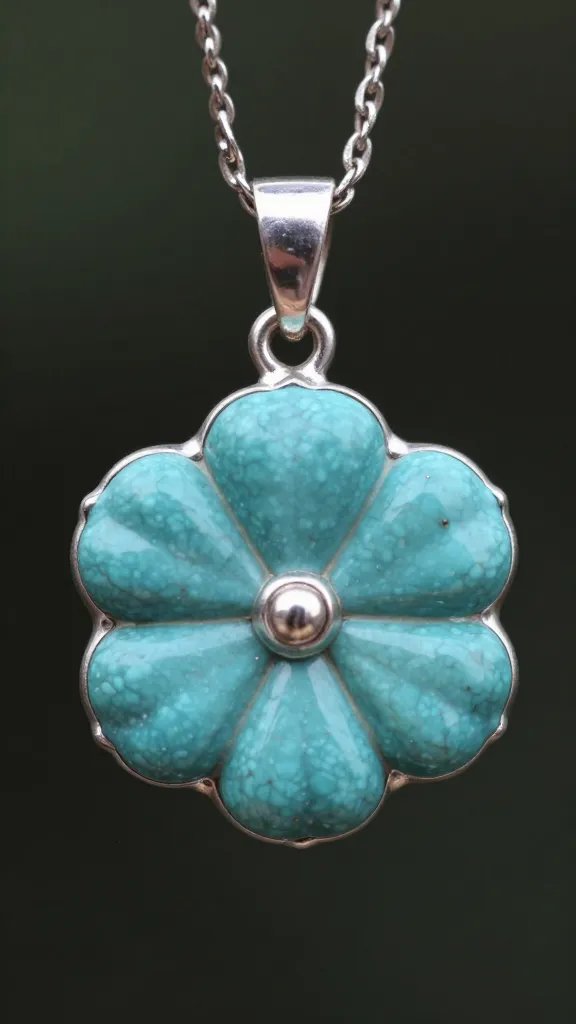
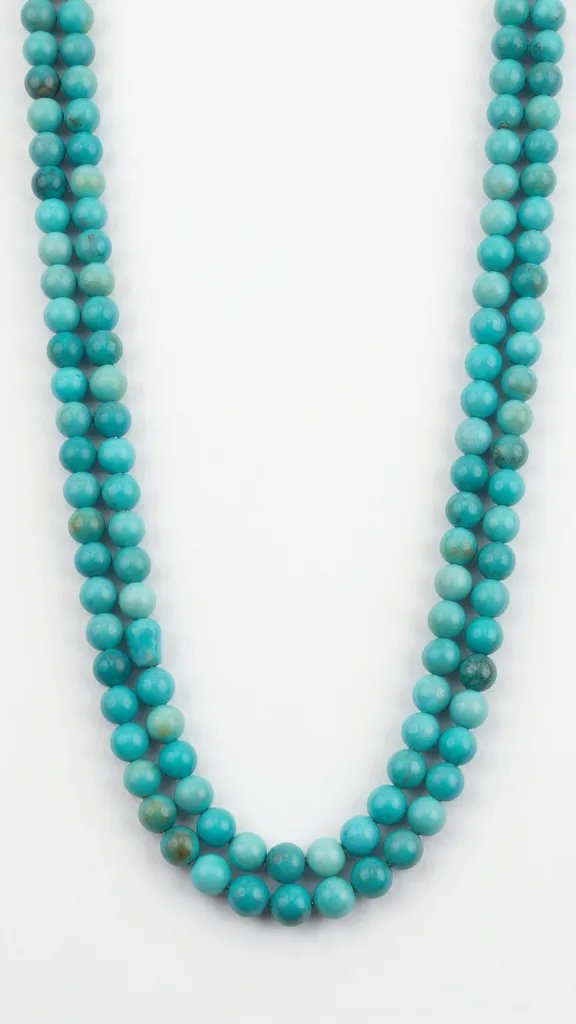
Turquoise ranks 5 to 6 on the Mohs hardness scale, so heavier stones need wider chains or you’ll lose them to a broken clasp. Unlike diamonds or sapphires, turquoise is soft enough to scratch against harder gems and porous enough to absorb skin oils, perfume, and sweat over time — which is exactly why your layering choices matter as much as your styling ones. When I first started stacking, I hung a hefty nugget pendant on a delicate 1.5mm box chain; three hours of walking through a county fair and the clasp gave out right over the livestock barn. The lesson was free and the pendant hit concrete. Now I pair anything over eight grams with at least a 2.5mm chain or a leather cord, and I save the fine chains for tiny drops and flat stones that don’t fight gravity.
This also means you want to keep turquoise away from harder stones in the same stack — a quartz or garnet bead brushing against it all day will dull the surface. Store each necklace clasped and coiled in its own small pouch so the turquoise doesn’t get scratched by whatever’s next to it in the drawer.
What Lengths Work for Layering Turquoise Necklaces?
Standard necklace lengths — 16″ choker, 18″ princess, 20–24″ matinee — give you a built-in layering ladder when you stagger them by two inches. According to Blue Nile’s necklace length guide, a choker sits at the base of the neck, a princess length rests just below the collarbone, and a matinee falls between collarbone and bust. Start with your shortest piece and work down: a 16-inch choker, an 18-inch pendant, then a 22-inch chain. That two-inch gap between layers keeps each one visible and prevents the tangling that ruins a look before noon.
I keep a short length of chain extenders in my jewelry dish and add an inch when a collar bumps a pendant. Thirty years of county fairs taught me that a necklace you fidget with reads fussed, not finished.
What Are Three Foolproof Turquoise Necklace Stacks?
Three formulas cover everything: an everyday ranch stack, a church-to-dinner pairing, and a statement set for the occasions that call for it. You don’t need a jewelry box full of options — just a plan you can repeat on workdays and wedding days alike.
| Stack | Anchor | Support Layer | Texture Layer | Best Neckline |
|---|---|---|---|---|
| Everyday Ranch | 16–18″ sterling chain with tiny turquoise drop | 20–22″ heishi strand, small beads | 24–26″ leather cord, flat pendant (knot in back) | Crewneck, tee |
| Church to Dinner | Round-bead collar at 14–16″ | Focal pendant at 18″, color-matched within two shades | Optional 24″ fine chain, no stone | Scoop, V-neck |
| Statement | Squash blossom or multi-stone pendant at 20–22″ | 16″ fine chain, plain metal only | Skip | Solid-color dress, blouse |
What Works for an Everyday Turquoise Stack?
Flat stones, light weight, and a leather cord that won’t snag on a jacket lining.
- 16–18 inch thin sterling chain with a tiny turquoise drop.
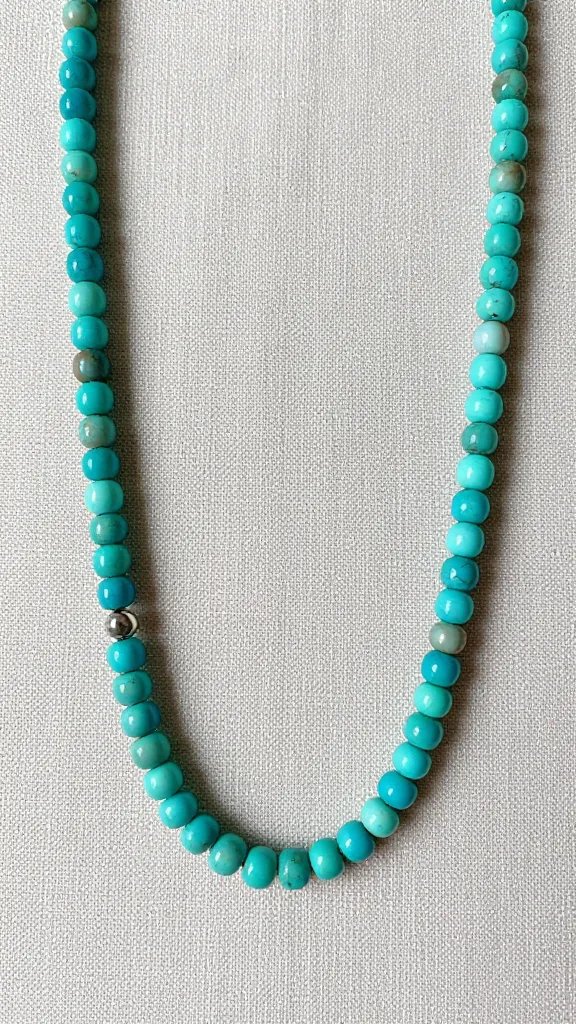
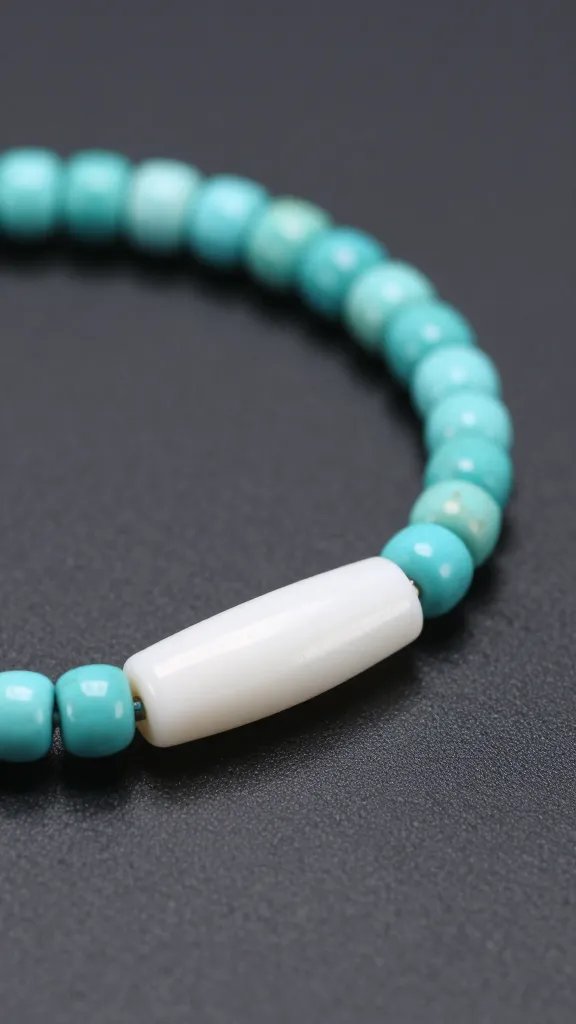
- 20–22 inch heishi strand in small-diameter beads for texture, not weight.
- Optional 24–26 inch leather cord with a flat pendant; tie a simple knot in back for placement.
I haul hay in this and it never snags; I learned years back to choose flat stones for chores because tall settings caught on jacket linings.
How Do You Take Turquoise from Church to Dinner?
A beaded collar and a single pendant give you intention in the pew and polish at the table.
- Short collar of round beads, thumb-width or smaller, sitting just above the collarbone.
- Single focal pendant at 18 inches on silver or leather, color-matched within two shades to the collar.
It looks intentional in the pew and lies well under a shawl. I once swapped the pendant to a satin cord in the truck before a reception because the chain kept clinking against everything; quieter is kinder, and nobody noticed the switch but me.
When Should You Wear a Statement Turquoise Piece?
One bold anchor — a squash blossom or a substantial pendant — with nothing competing for the eye. The squash blossom necklace comes from generations of Navajo silversmithing, and it carries enough visual weight to stand alone without a crowd of layers around it.
- One bold anchor: a squash blossom or substantial multi-stone pendant at 20–22 inches.
- One whisper layer: a 16-inch fine chain with no stone, just shine.
If your dress has embroidery or a strong print, keep the second layer plain metal so your eye knows where to rest.
Which Necklines Pair Best with Layered Turquoise?
Match your layer count to the neckline’s real estate: two layers for high necks, three for open ones. Necklaces need room to lie flat, and the neckline decides how much canvas you’ve got.
| Neckline | Layers | Lengths | Notes |
|---|---|---|---|
| Crewneck | 2 | 16–18″ + 20–22″ | Modest pendant + heishi strand |
| V-neck | 3 | 14–15″ + 18″ + 24–28″ | Choker + pendant + long chain with flat stone |
| Button-down | 2–3 | 18″ at the V + longer on the shirt | Leave top two buttons open; longer strand rides the fabric |
| High collar | 1 | 14–15″ beaded collar | Skip pendants; fabric fights anything that hangs |
| Scoop / square | 2 | 18″ pendant + 22″ fine chain | Keep pendant above the neckline seam to avoid clatter |
How Do You Stack Turquoise Rings, Bracelets, and Cuffs?
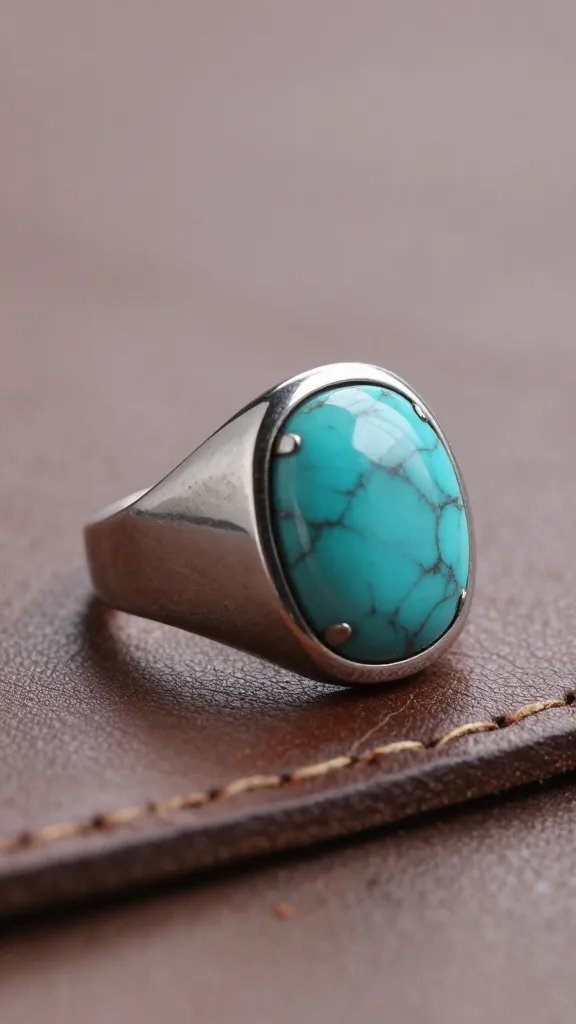
One dominant piece per hand, then quiet supporters on the opposite wrist. Pick a wide cuff bracelet or a cocktail ring as your anchor, then add two narrow pieces on the other wrist: a slim bangle and a leather wrap with a small stone. (For which rings are worth the investment, our western rings guide covers the pieces that earn their keep.)
What Bracelet Combinations Hold Up to Real Life?
Workday calls for one cuff; weddings get a bezel-set ring and thin bangles; dancing needs nothing that catches.
- Workday: One medium cuff on your watch wrist, nothing else. It slides under a denim sleeve and won’t snag hay twine.
- Wedding guest: A bezel-set cocktail ring plus two thin bangles stacked together. Bezel settings are kinder to lace and chiffon.
- Dancing: One leather wrap bracelet and a small ring. Open-prong rings bite when hands meet; I learned on a two-step when my prong caught a partner’s shirt cuff.
How Do You Protect Turquoise from Scratches When Layering?
Turquoise’s 5–6 Mohs rating means it scratches easier than most gemstones, so keep it away from harder beads and put it on last. According to the Natural Gemstones Company, turquoise’s porous nature also makes it absorb lotions, perfumes, and cleaning chemicals that shift its color over time. That means jewelry goes on after your hair spray and sunscreen, and comes off before you reach for the dish soap. When storing, clasp each necklace separately so a diamond stud or quartz bead can’t ride against the turquoise overnight.
How Do You Balance Earrings with Layered Turquoise Necklaces?
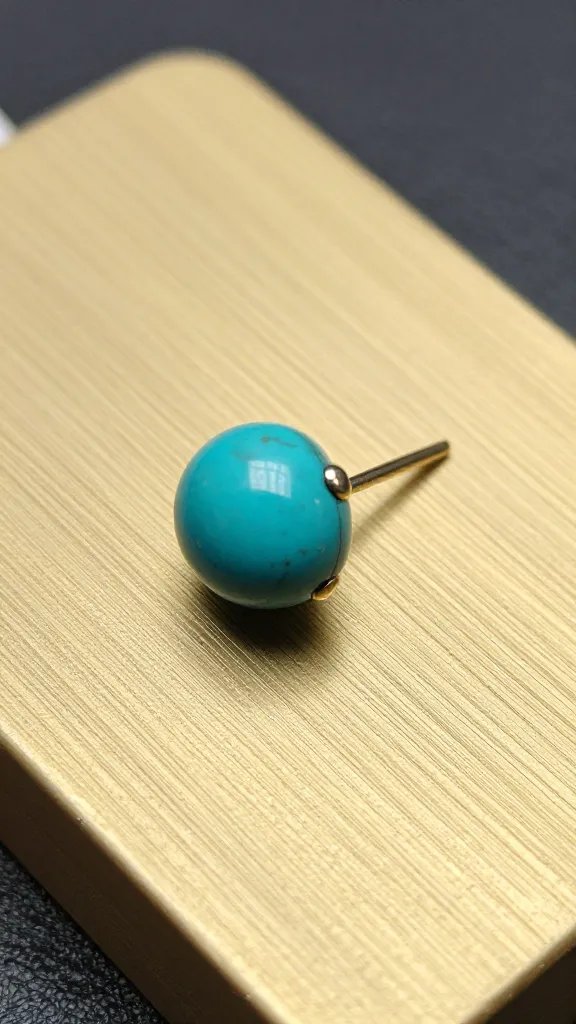
Busy neck means quiet ears; bare neck gives your earrings room to show up. Match the metal and vary the size: if your necklaces are layered and bold, go with studs or small hoops with a bead drop the size of a pea. When your neck is bare or quiet, bring in shoulder-duster earrings or medium dangles that echo your anchor stone’s shape — oval with oval, teardrop with teardrop.
I travel with a tiny pill box of rubber stoppers; they keep hook earrings from flipping out in wind across a gravel lot. (For a deeper look at turquoise earring styles, our turquoise earrings guide walks through every shape from studs to dangles.)
Can You Mix Metals and Colors with Turquoise?
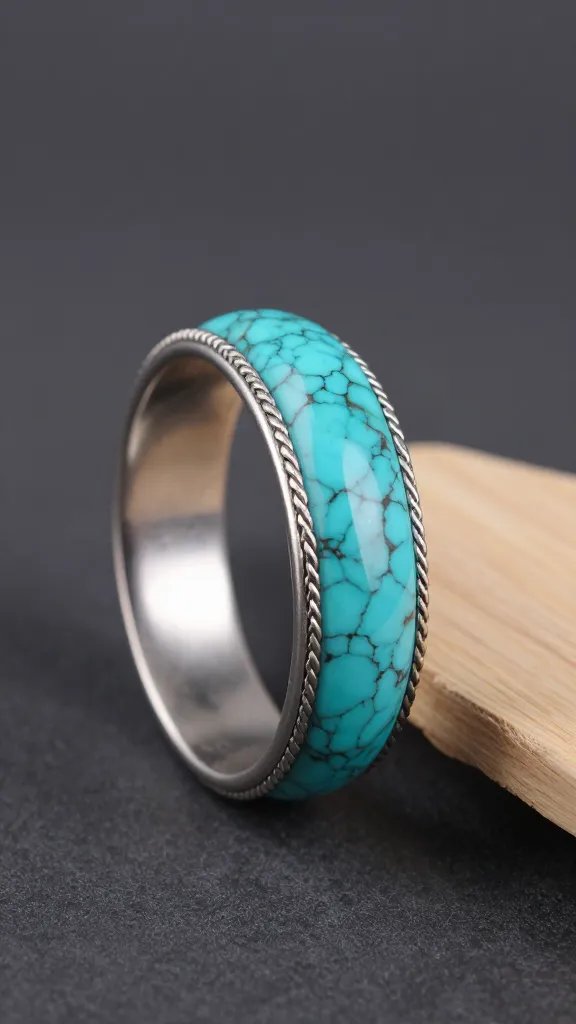
Yes — turquoise’s blue-green range sits between warm and cool on the color wheel, which is why it reads as its own neutral and pairs with nearly everything. Blue-green stones sing against oxidized silver and matte leather; bright polished silver reads dressier and suits evening. You can mix cool silver and warm brass, but keep it deliberate: two pieces in one metal, one in the other, not a half-and-half jumble. When your belt buckle is a star, echo that metal in at least one jewelry layer so your outfit feels like a set, not a swap meet.
How Do You Take a Turquoise Stack from Daytime to Evening?
Keep the same anchor piece and swap one layer: flat stones for the road, polished chains for the table. Long drives and dust test everything, so for daytime stick with heishi, small studs, and a leather wrap bracelet — nothing tall or fussy. When evening comes, switch to a polished chain, add a larger pendant and a narrow cuff, and keep rings to one. You’ll thank yourself on the dance floor when a hand lands in yours. (For how the rest of the outfit shifts with the occasion, the cowgirl outfits guide covers the full look from porch to party.)
How Can You Tell If a Turquoise Layer Is Too Much?
Stand in front of a mirror, squint lightly, and see whether your eye lands on one place or jumps around. If it jumps, remove the smallest piece that isn’t your anchor and try again. Then do the movement test: slide your collar or scarf on and take three steps. If anything flips, clacks, or hides, adjust length or remove one layer. I keep a small envelope of chain extenders and extra earring backs in my glove box for this exact reason.
Which Turquoise Pieces Are Worth Buying — and What Should You Skip?
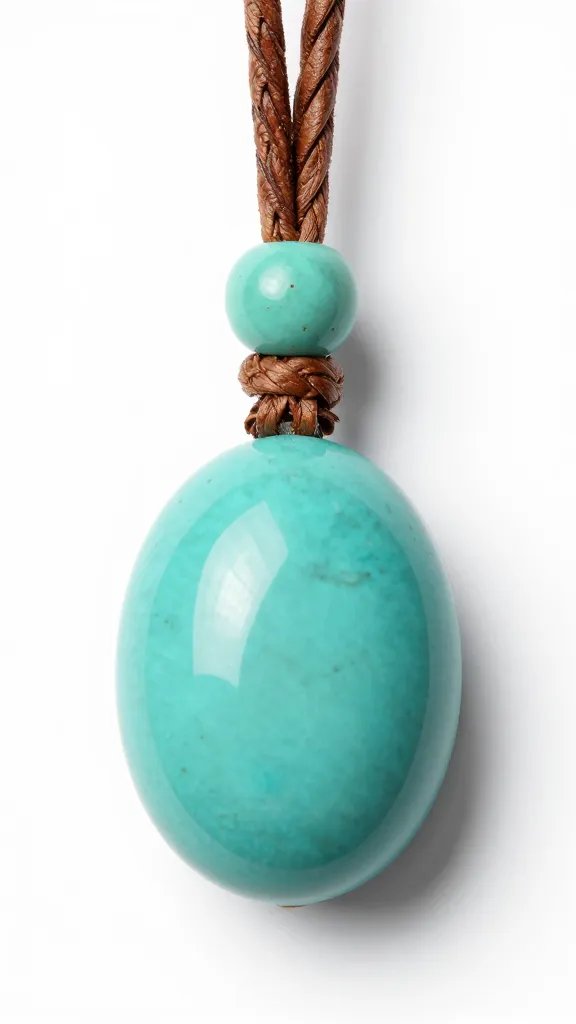
Spend on one real-stone pendant or solid cuff with a smooth backside; skip the pre-stacked fast-fashion sets that tangle by lunch. Choose stones set in clean bezels with no lifted edges; run a fingertip around the rim and it should feel like a coin, not a saw blade. Genuine turquoise shows natural color variation and textural imperfections — if the color is perfectly even and the surface looks painted on, it’s likely dyed howlite or reconstituted chips. Good leather cords are thick, even, and stitched or crimped well at the ends. Save your money on heavy multi-layer “pre-stacked” sets; they tangle by noon and the plating flakes before the season turns.
How Do You Care for Layered Turquoise Jewelry?
Wipe it after wearing, store it flat and separate, and always put it on last — after perfume, hair spray, and sunscreen.
- Wipe after wear with a soft cotton cloth to take off sunscreen and skin oils.
- Store flat and separate: necklaces clasped and coiled in small pouches; cuffs laid open in a drawer liner so they don’t press each other.
- Keep dry and last on: jewelry goes on after hair spray and perfume; take off before sweaters with tight necks.
- Brighten silver with a treated polishing cloth, not chemical dips that can dull stones.
- Refresh leather cords with a tiny touch of neutral leather balm; let dry fully before wearing.
What Layering Mistakes Cost the Most Money?
Too many big pieces at once, mismatched lengths that tangle, and heavy pendants on chains too thin to hold them.
- Too many big pieces at once: Keep one major per zone — neck, wrist, hand, ears.
- Mismatched lengths that tangle: add extenders or swap chains so each layer has a one- to two-inch gap.
- Ignoring weight: heavy pendants on thin chains pull and break; pair weight with width.
- Competing colors: turquoise plus a loud printed neckline is a quarrel; choose either the print or the bold stone.
- Rough settings with delicate fabric: reserve sharp-prong pieces for denim and canvas; use bezels with silk, lace, and knits.
Frequently Asked Questions
How do I layer turquoise necklaces without tangling?
Mix textures — a chain, a leather cord, and a beaded strand won’t grip each other the way three identical chains will. Stagger lengths by at least two inches and clasp each necklace before storing so it can’t knot with the next one.
Can I mix gold and silver in a turquoise stack?
Yes, but be deliberate: choose one dominant metal for two of your pieces and let the third be the accent. Repeat that dominant metal in your belt buckle or bag hardware so the mix reads intentional rather than accidental.
How many turquoise necklaces should I layer at once?
Three is the sweet spot for balance — an anchor, a support, and a texture lift — but two is perfectly fine for a quieter look. More than four tends to tangle and compete, and at that point your neck is wearing the outfit instead of the other way around.
Can I wear turquoise jewelry with other gemstones?
Turquoise pairs beautifully with pearls (small pearls as texture, turquoise as anchor) and with coral for a classic Southwestern combination. Keep the metals matched and the stone sizes different so one doesn’t overwhelm the other.
Will my turquoise change color the more I wear it?
Natural, unstabilized turquoise can shift color over time as it absorbs skin oils, perfume, and moisture — that’s one reason about 90% of the turquoise on the market has been stabilized to protect against it. Either way, wiping your pieces after each wear and putting them on last (after cosmetics and sunscreen) slows any color change considerably.
Is turquoise jewelry appropriate for a professional setting?
Absolutely — a small turquoise pendant on a modest chain or a single bezel-set stud reads polished in any office. Keep the layers to two pieces maximum, choose a smooth bezel setting over a rough or pronged one, and let the stone be the quiet accent rather than the conversation piece.
Set It Out the Night Before
Lay your shirt or dress flat, then place your anchor, your support, and your texture piece right on top and check for calm. If your eye rests, you’re done; if it skitters, remove one and sleep easy. In the morning, you’ll be dressed and out the door with nothing to fuss over but coffee.
Questions on stacking a specific piece you own? Leave me a note and I’ll talk it through with you.
— love, Dottie Rae



2 Comments