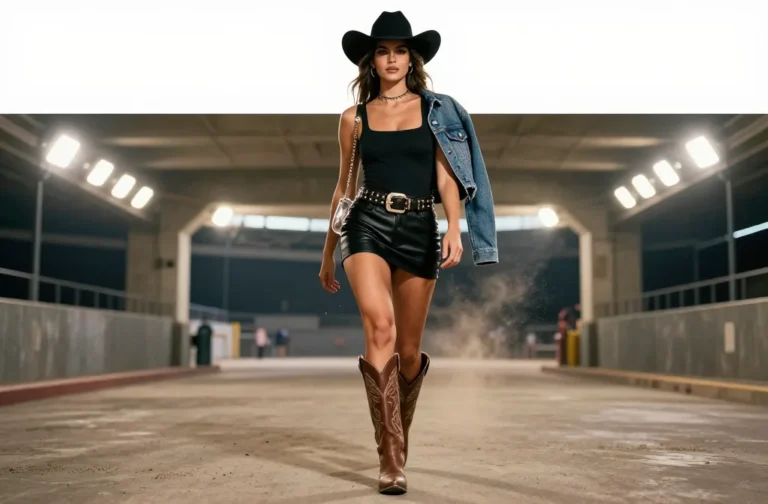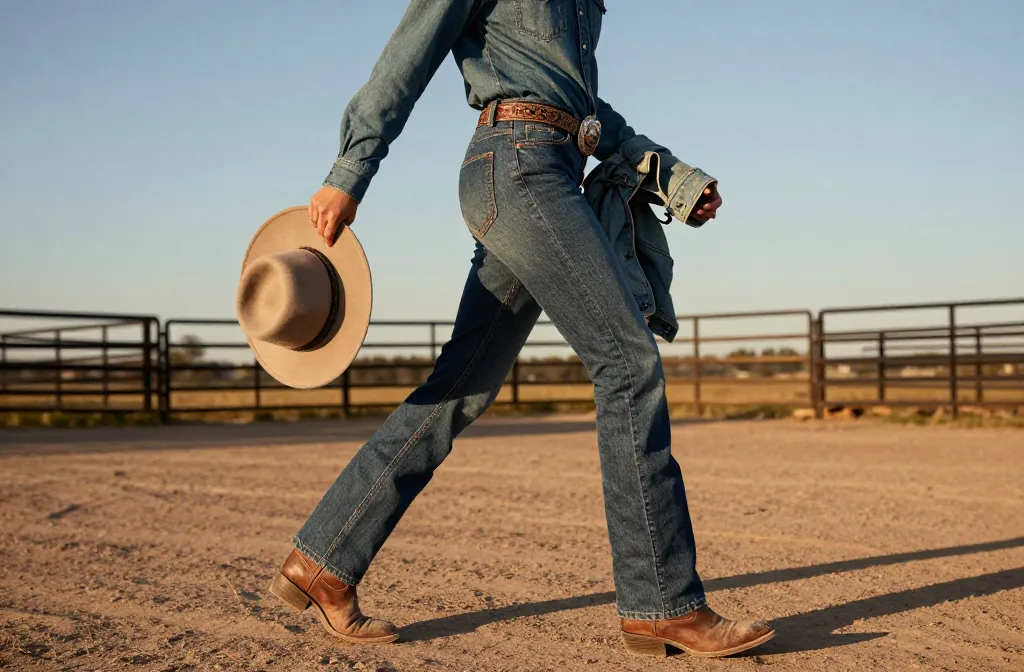
Denim-on-Denim Western Styling Guide — How to Get It Right
Denim-on-denim Western styling is easier than people make it, and once you learn the balance, it works for the ranch, the dance hall, and Sunday errands. I’ve walked from a gravel church parking lot to a barbecue reception in a denim shirt and jeans more times than I can count, and it never looks out of place. In this guide you’ll get the rules that actually hold up in real life — how to choose washes, fits, footwear, and layers — plus what to skip so you don’t buy twice. By the end, you’ll know exactly which pieces to pair and how to wear the look three ways year-round.
Quick housekeeping: Some of these links pay the blog a little commission. It doesn’t change the price, and it’s never why something made the list.
The Principle: Three Tones, Two Textures, One Western Anchor
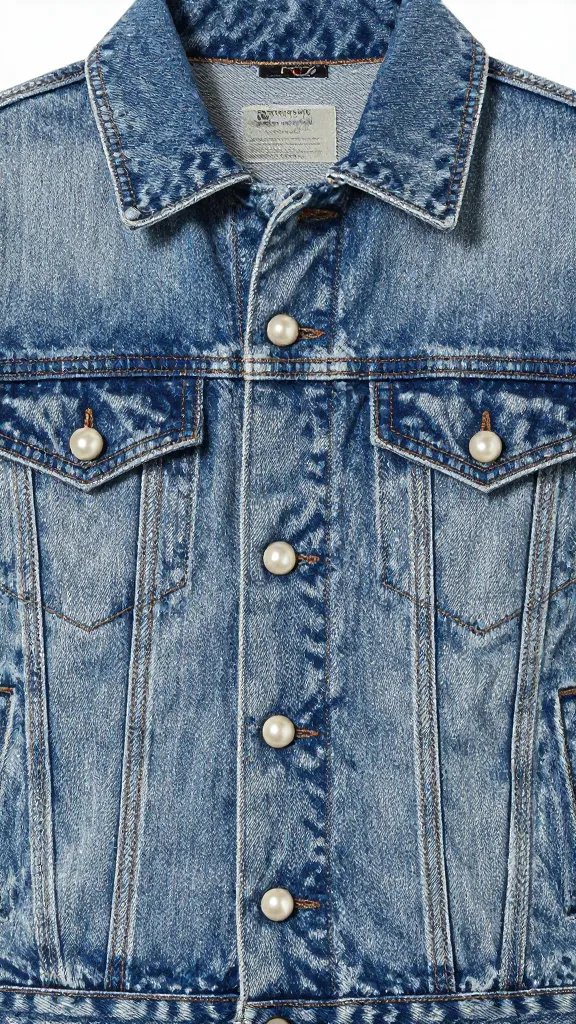
Here’s the simple backbone I keep coming back to: use three tones of blue (or blue plus black/white), at least two textures of denim, and one Western anchor that quietly says “yes, I meant it.” Three tones keeps the look intentional instead of like a work uniform. Two textures — say, a smooth chambray shirt against a sturdier twill jean — keep it from reading flat. And one Western anchor — a concho belt, a tooled leather belt, a pair of ropers, a felt hat, or a bandana — finishes it without shouting. Thirty years of barn weddings taught me that when this balance is right, you stop fussing and enjoy yourself.
Choosing Your Jeans — The Base That Does Most of the Work
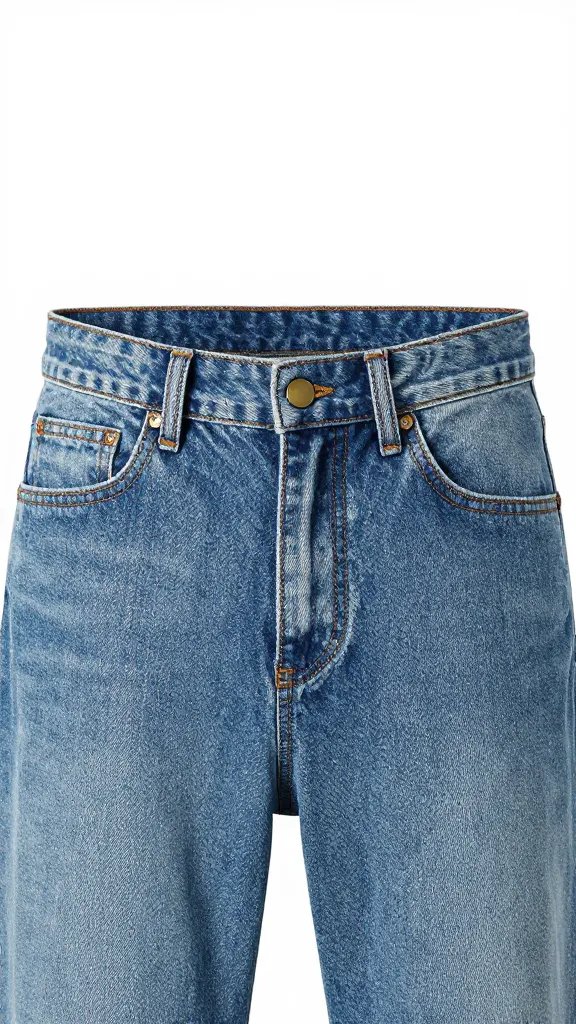
Start with jeans that fit you well through the seat and rise. Mid-rise and high-rise both work; pick what you’ll stay comfortable in for four hours straight, including sitting in a truck and standing on gravel. Straight-leg, bootcut, and a gentle flare are the most forgiving with boots; slim straight works with ropers and ankle-height Western boots. I hemmed a bridesmaid dress in a truck once and learned to carry a mini sewing kit; I’ve also learned to hem jeans to the heel you wear most so your cuffs don’t grind through on asphalt.
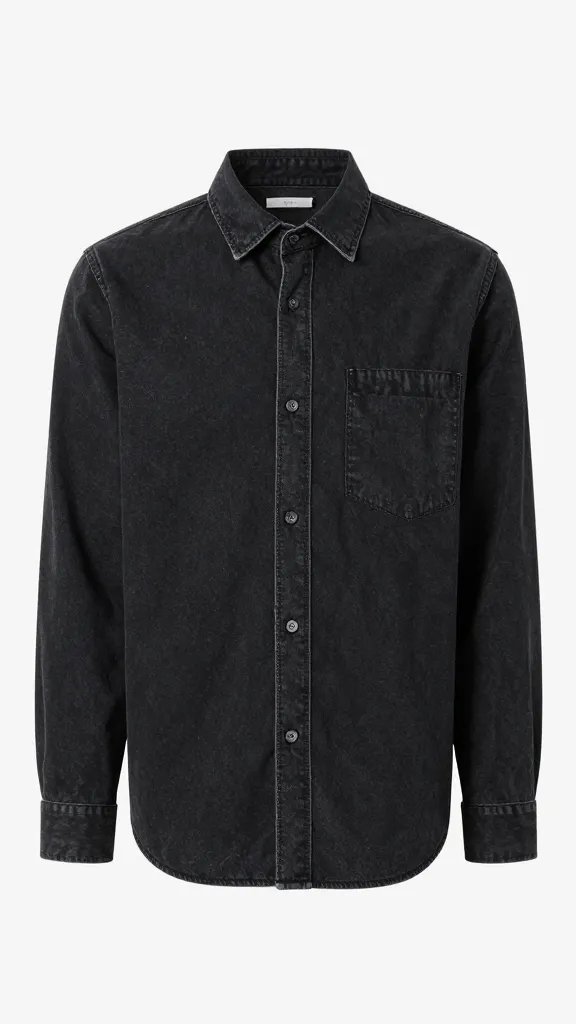
For washes, treat medium indigo as your default base. It plays well with light chambray and with dark trucker jackets. A clean rinse dark blue dresses up with a pearl snap shirt for dinners or small-town theaters. Black denim is the safety valve when you want denim-on-denim without all blue — black jeans with a blue denim shirt still count and look sharp with silver hardware. Leave heavy distressing and oversized holes for yard work; frayed knees catch on saddle leather and dance floor splinters.
Denim Shirts vs. Chambray — Which, When, and How to Fit Them
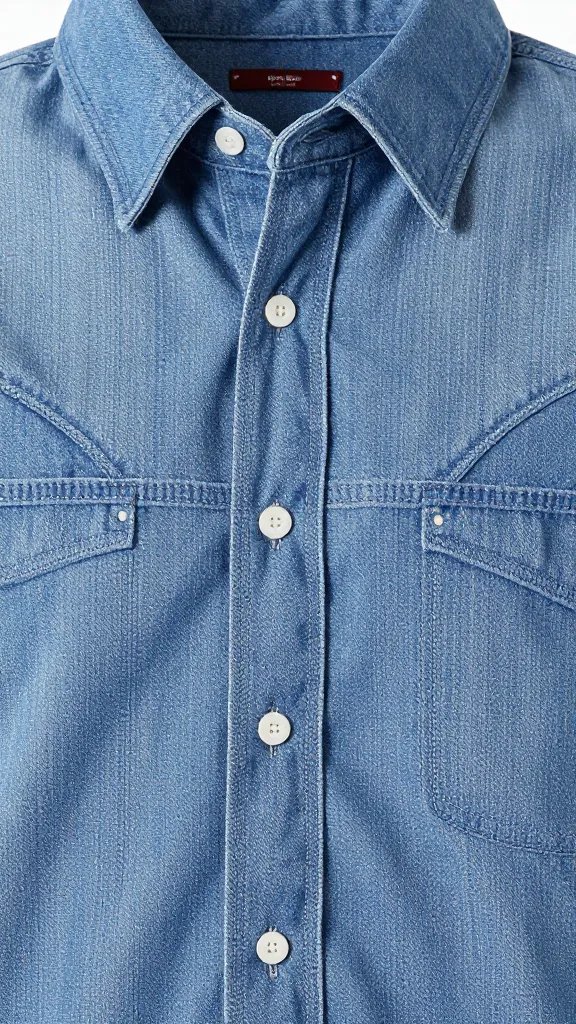
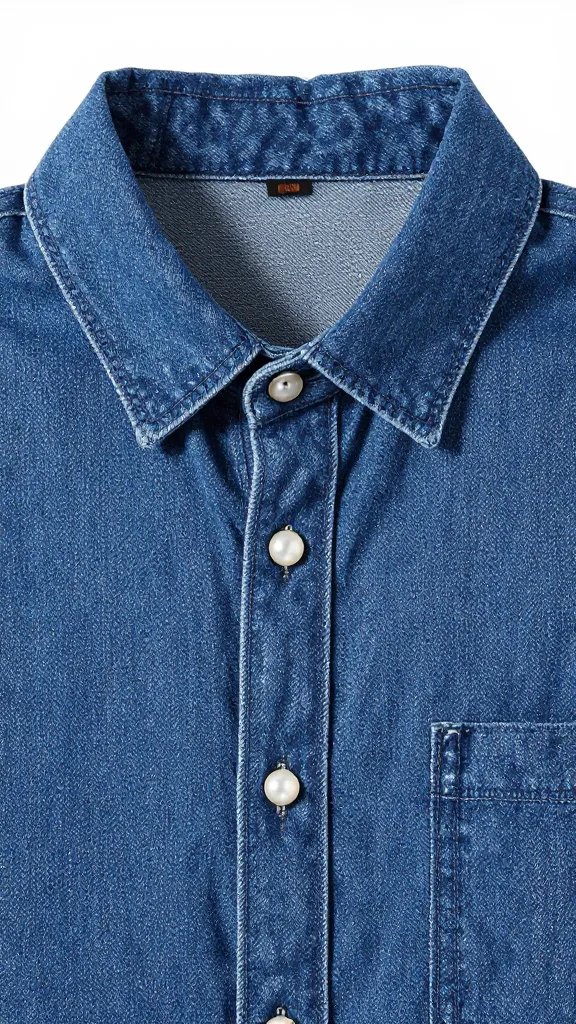
A chambray shirt is lighter, smoother, and easier to tuck; it takes to summer like a duck to water. A denim shirt has more structure and stands up better under a jacket. If you run warm, pick chambray for concert nights. If you want your collar to behave under a bandana or blazer, pick denim. I still reach for a pearl snap in light blue when I’m unsure — I can dress it up with a skirt later if plans change.
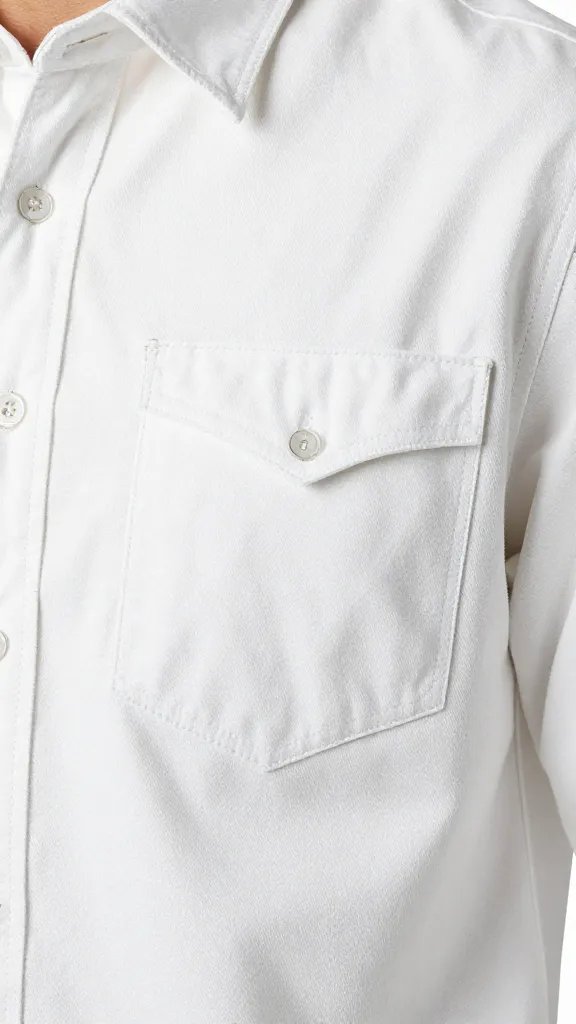
Fit matters: you want a shoulder seam that lands at your shoulder edge, sleeves you can roll twice without strangling your forearm, and enough room to half-tuck without ballooning. For a polished tuck, leave the bottom button undone; for a half-tuck, tuck just the part under your belt buckle and let the rest fall. If your shirt has western yokes and snaps, let that be your one Western anchor and keep the belt simple.
Western Denim Jackets — The Third Piece That Makes It Intentional
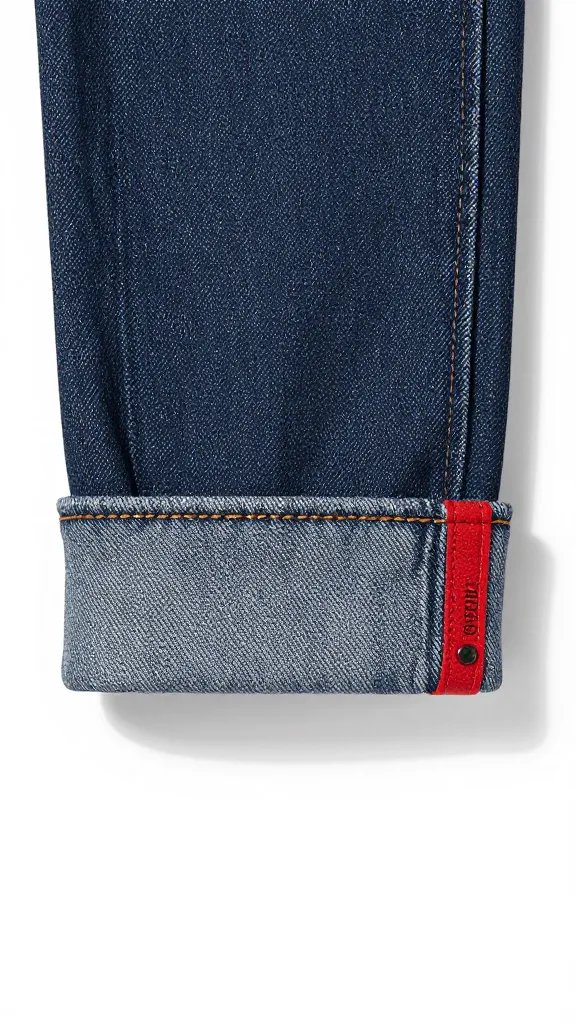
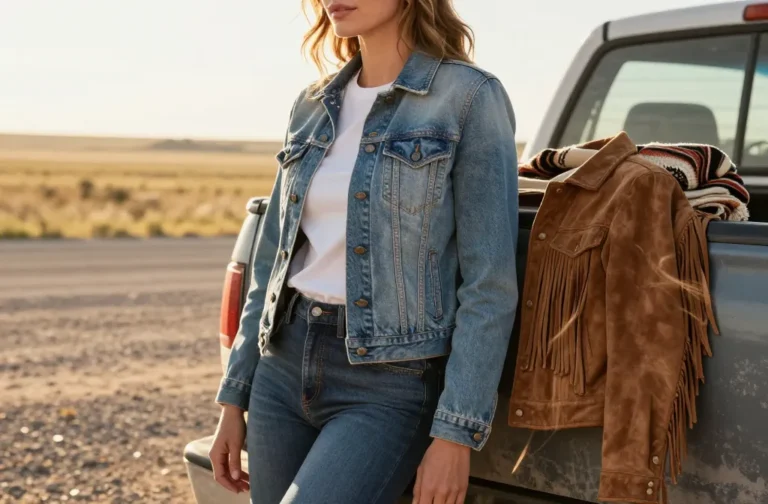
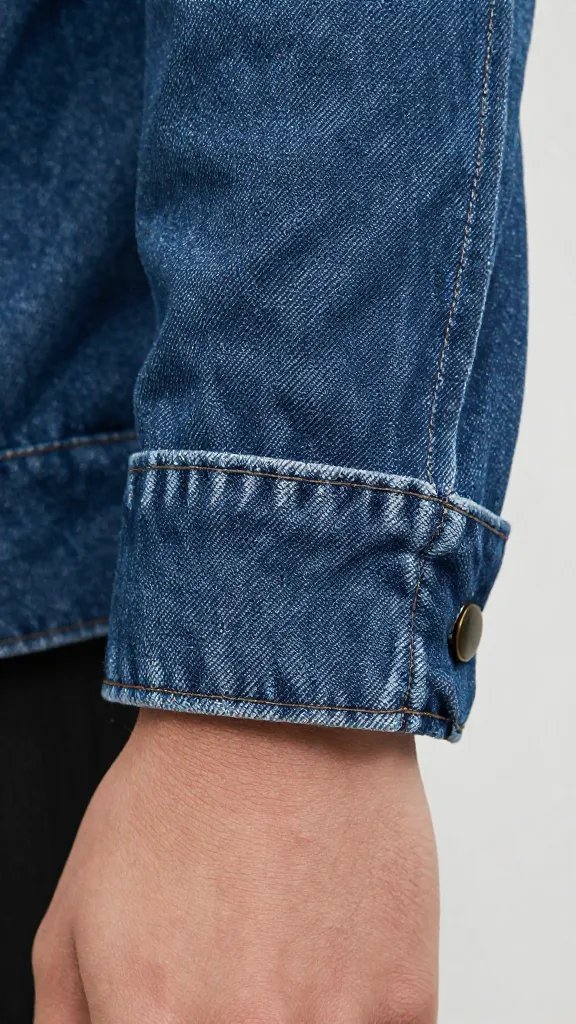
A denim jacket is where most people either nail it or look like they’re wearing a set. The easiest way to get it right is contrast: light jacket over darker jeans, or dark jacket over light jeans. If your jeans are medium indigo, slide the jacket two shades away. I keep one light-wash trucker jacket for summer nights and a raw or dark-wash jacket for fall; between them I can layer over most shirts I own.
Mind the length: a classic hip-length jacket balances a bootcut or straight jean. A slightly cropped jacket works with high-rise jeans and skirts. Oversized jackets swallow the waist and crowd a belt buckle; save true oversized for casual weekends with sneakers, not for the rodeo or a dance hall.
Belts, Buckles, and Hardware — Quiet Wins Over Loud
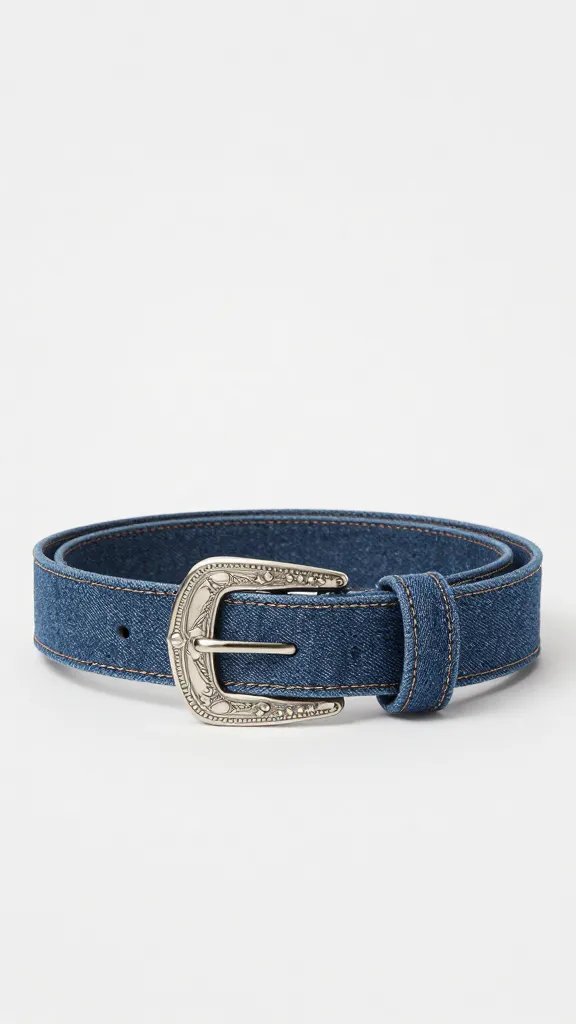
Leather is where this look gets grounded. A plain brown or black leather belt with a brushed nickel or matte brass buckle will serve you all year. If you love a statement buckle, keep your shirt pocket and jacket simple so the eye has one place to land. Tooled leather belts are beautiful; let the tooling be the pattern and skip a big buckle on the same day.
Match metals when you can. Silver with indigo feels classic Western; brass warms up with tan boots and a camel felt hat. If your shirt has shiny snaps, your earrings don’t need to sparkle — small hoops or studs are enough. I’ve polished a buckle with a kitchen towel before running out the door; it’s faster than overthinking a necklace.
Boots and Shoes That Make Denim-on-Denim Work
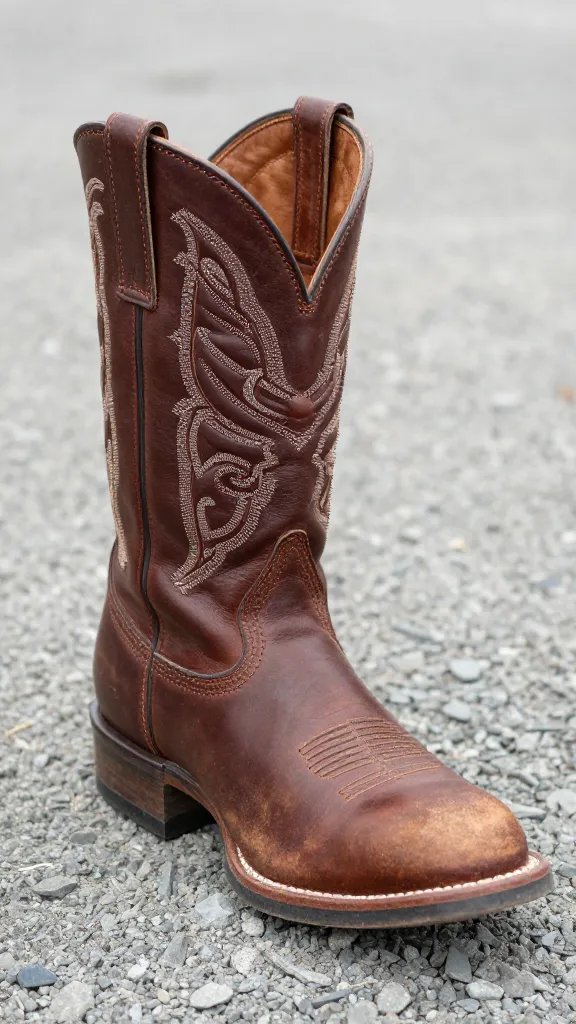
Boots decide the mood. Ropers or traditional cowboy boots set a Western tone without more help. A stacked-heel ankle boot works for city errands and still looks right at a county fair. For long standing days, a round toe is kinder than a narrow snip. I dried a rain-soaked pair with newspaper once and wore them to a dance the next night; they did fine because the leather was good and the heel was honest.
Color matters: brown boots soften a dark denim-on-denim look; black boots sharpen it. Suede adds texture if the rest of your denim is smooth; full-grain leather is better for weather. If you’re mixing black denim and blue denim, black boots tie it together in an instant. For summer daytime, a leather sandal with a stable block heel is fair game with a denim skirt and shirt — just keep the belt leather in the same family.
Skirts, Dresses, and One Good Romper — Denim-on-Denim When It’s Hot
When the heat sets in, trade jeans for a denim skirt or a denim dress and keep denim-on-denim up top or around your shoulders. A straight or A-line skirt in medium wash with a light chambray shirt is practical, breathable, and church-to-lunch appropriate. A denim shirtdress pairs well with a white denim jacket or a raw denim jacket tossed over your shoulders indoors.
If you like a denim romper, treat it like a one-piece base: add a thin leather belt, bandana at the neck, and ropers. Keep jewelry small. I carry a cotton bandana in summer to tie back my hair when the wind picks up in the parking lot; it earns its place.
Season-by-Season Denim-on-Denim Western Outfits
Spring
Light-wash chambray shirt, medium straight jeans, brown ropers, and a thin tooled belt. Add a light denim jacket two shades lighter or a white denim jacket for chilly mornings. A silk scarf or cotton bandana keeps the breeze off your neck and looks right with pearl snaps.
Summer
Short-sleeve denim shirt or sleeveless chambray, black denim skirt, and ankle boots or leather sandals. Skip heavy jackets; tie a denim shirt at the waist over a tank if you want coverage without heat. I’ve stood through a whole small-town parade in this combination without regretting a thing.
Fall
Dark denim shirt, medium bootcut jeans, black leather belt, and black boots. Top with a raw denim jacket or a corduroy trucker if you’re mixing textures. A felt hat reads Western but keeps the sun out of your eyes for football sidelines and pumpkin stands.
Winter
Chambray under a dark denim jacket, black jeans, and insulated ropers. Add a wool-blend scarf and lined gloves. If snow turns to slush, switch to rubber-soled Western boots for traction; denim-on-denim still holds if your layers contrast.
Color Pairings That Always Work with Denim-on-Denim
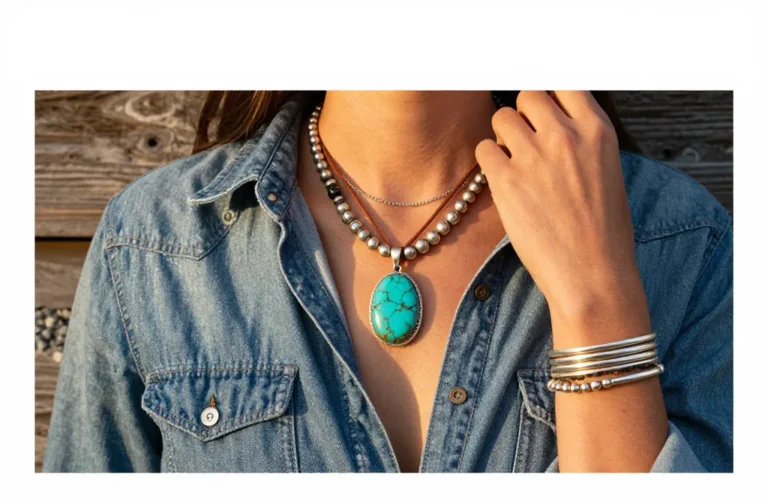
Blue on blue is the backbone, but neutrals and one accent color make it personal. White sharpens everything: a white tee under a denim jacket, a white bandana, a white denim jacket in summer. Black adds polish: black jeans or black boots keep it from reading too casual. For accents, lean on red bandanas, turquoise jewelry, or a tan felt hat. All three have history with Western wear and don’t fight your blues.
If you want color under your jacket, choose a solid cotton tee or a ribbed tank in rust, forest, or cream. Patterns work best small and simple — a tiny check or a narrow stripe. Big florals plus Western yokes and a statement buckle is too many leads in one song.
Three Ready-to-Wear Denim-on-Denim Western Formulas
The Errand-to-Dinner Set
Medium straight jeans, light chambray shirt half-tucked, brown belt, brown ropers. Add a light denim jacket if needed. Swap in a silver cuff and a darker lipstick before dinner and you’re done.
The Dance Hall Pairing
Dark bootcut jeans, pearl snap denim shirt tucked, black belt with a modest buckle, black boots with a comfortable heel. Roll sleeves twice. I have danced a whole night in this without tugging anything back into place.
The Fairground Saturday
Black denim skirt, short-sleeve chambray shirt tied at the waist, tan ankle boots, tooled belt. Bring a white denim jacket for shade and a bandana for dust. Sunscreen and a crossbody bag with a zipper keep it easy.
Fit and Proportion — Making It Look Intentional on Your Frame
Balance structure with ease. If your jeans are relaxed, wear a more structured shirt or jacket. If your jeans are trim, your top can be looser, but keep a defined shoulder and use a tuck so your waist doesn’t disappear. Cuffs matter: one clean double roll on a straight or slim straight jean shows ankle boots and keeps hems out of puddles. On a bootcut, leave the length to skim your boot vamp — no rolling.
Shirt length should hit near mid-hip if untucked. If your shirt is longer, half-tuck or tie it. Jackets should let your shirt peek out an inch or two below the hem or meet it neatly at the hip — not swallow it by half. I keep one jacket a size up for layering over a hoodie on stock show mornings; otherwise true-to-size keeps lines clean.
Care and Fabric — Buying Once, Wearing for Years
Buy 100% cotton denim or cotton with a small stretch content (1–2%) for comfort; more stretch bags at the knee by lunchtime. A midweight 10–12 oz denim shirt drapes well; a 12–14 oz jacket holds shape. Wash denim inside out in cold, hang to dry, and press collars and plackets with a medium iron; I iron things, and I promise a crisp collar makes the whole look read finished.
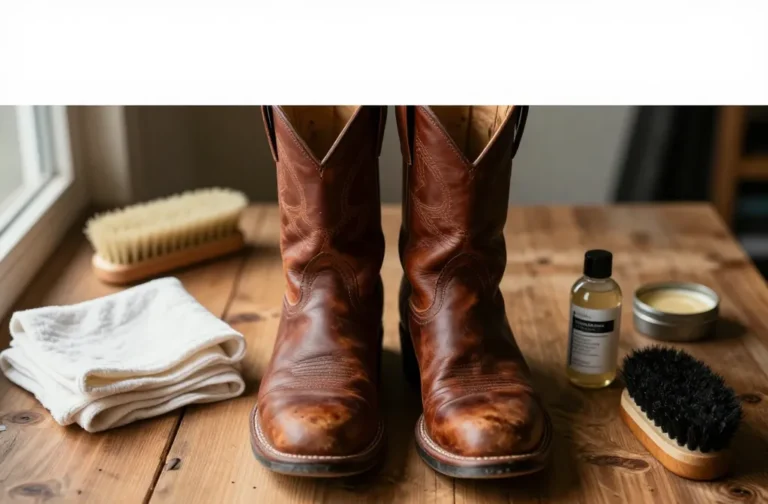
For boots, brush dust off after wear and stand them upright. If rain finds you, stuff them with newspaper overnight and away from a heater; I’ve done it in a motel room with the local paper and woke up to boots that were dry and still shaped right. Hardware like snaps and buckles looks better wiped down than polished to a mirror — a soft cloth after wear is enough.
Mistakes That Waste Money with Denim-on-Denim Western Styling
- Perfectly matching jacket and jeans — looks like a uniform. Shift at least two shades.
- Too many Western details at once — yokes, fringe, conchos, big buckle, and a hat compete. Choose one main anchor.
- Jacket that’s too long — swallows your waist and crowds your belt. Hip length is the workhorse.
- Excessive distressing — rips and heavy whiskers date fast and fail on gravel and saddles.
- Ignoring footwear comfort — a pretty heel you can’t stand in for two hours will cut your night short.
- Skipping contrast in texture — thick denim on thick denim can look bulky. Pair twill with chambray or raw with rinsed.
My one firm opinion: Don’t buy cheap boots twice — buy one good pair once and they’ll make every denim-on-denim outfit look finished.
Frequently Asked Questions
How do I style denim-on-denim Western outfits without looking like a uniform?
Use contrast: light with dark, smooth with sturdy, and add one Western anchor like a tooled belt or ropers. Keep metals consistent and let one piece lead — if your shirt has yokes and snaps, keep the belt simple.
What denim jacket works best for denim-on-denim Western styling?
A hip-length trucker in a wash that contrasts your jeans. Light over dark or dark over light keeps it intentional. If your jeans are medium, go two shades away on the jacket.
Can I wear black jeans with a blue denim shirt for a Western denim-on-denim look?
Yes, and it’s one of the easiest ways to get it right. Pair black jeans with a light or medium chambray shirt, black boots, and a black belt with a modest buckle.
Are skirts and dresses part of denim-on-denim Western styling?
They are. Try a medium-wash denim skirt with a chambray shirt, or a denim shirtdress with a white denim jacket. Add ropers or ankle boots and a thin leather belt.
What boots are best for denim-on-denim Western outfits?
Ropers and traditional cowboy boots both work, with round or gently snipped toes for comfort. Choose brown to soften blue-on-blue or black to tie in black denim; suede adds texture, full-grain leather handles weather.
How do I wash and care for denim pieces so they last?
Wash inside out in cold, line dry, and press collars and plackets. Spot clean jackets when you can. For boots, brush off dust after wear and dry with newspaper if they get soaked.
Take It Out of the Closet
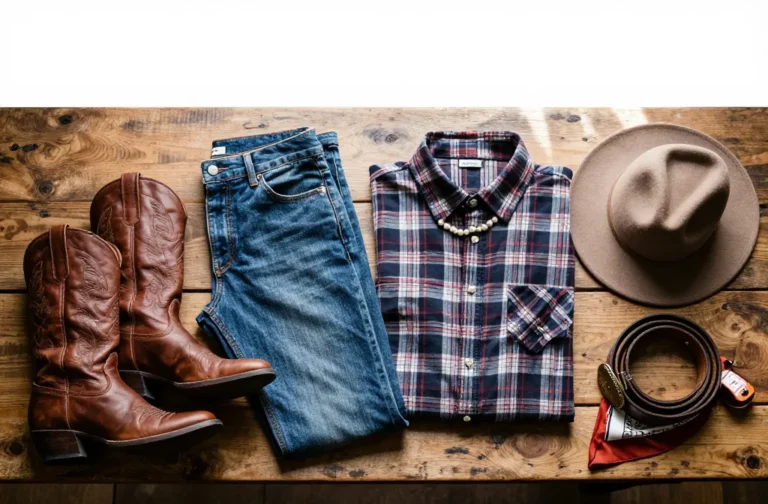
Lay out one pair of jeans, one denim or chambray shirt two shades off, and the boots you can stand in the longest. Add a plain leather belt and, if you like, a bandana. That’s denim-on-denim done right, ready for the next gravel lot or dance floor.
Keep exploring: Western Denim Guide and Western Wardrobe Essentials go well with this one. For one piece of this worked out in full, Sadie’s cowgirl outfits style guide is worth a look too.
Questions or a tricky outfit to solve? Tell me in the comments and I’ll help you sort it — love, Dottie Rae