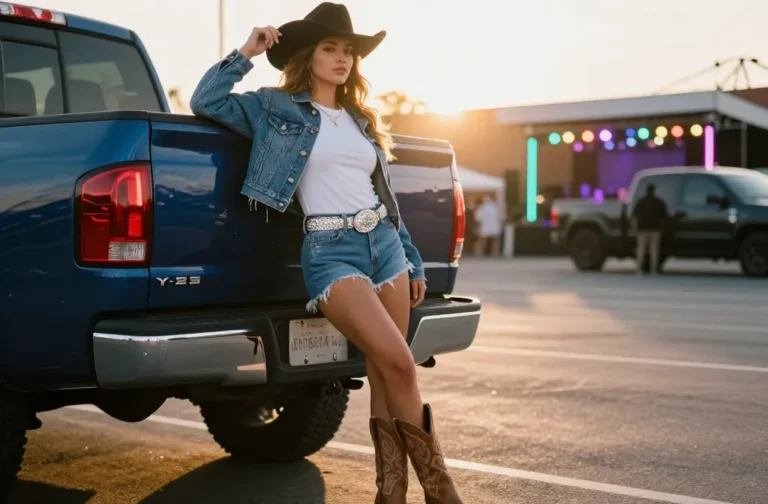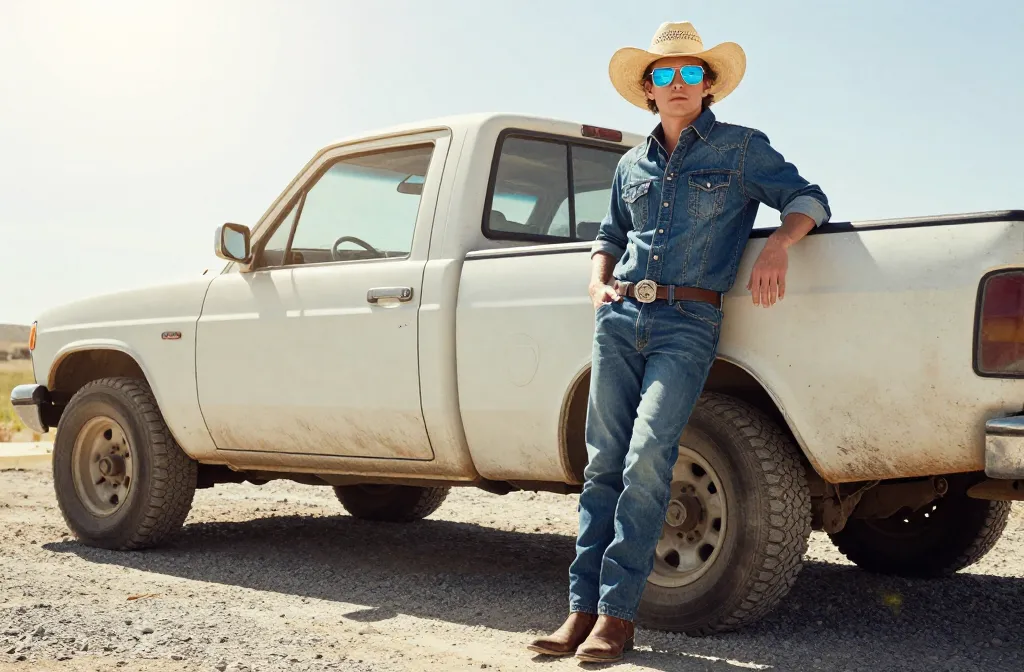
Western Sunglasses Guide — How to Style Yours
Western sunglasses are the small, hardworking piece that cleans up a whole outfit — quicker than a fresh press on a pearl snap. I learned that standing in a gravel church lot at high noon, squinting across a sea of trucks and wishing I’d packed my shaded aviators instead of the gas station pair. By the end of this guide, you’ll know how to pick the right shapes, lenses, and frames — and exactly how to wear your western sunglasses with denim, boots, dresses, and a hat without fuss. You’ll also get honest buying bands, what to skip, and the three habits that keep them alive through rodeo dust, lake trips, and long drives.
Quick housekeeping: Some of these links pay the blog a little commission. It doesn’t change the price, and it’s never why something made the list.
The Principle: Hard Lines, Honest Materials, Sun That Stays Out of Your Eyes
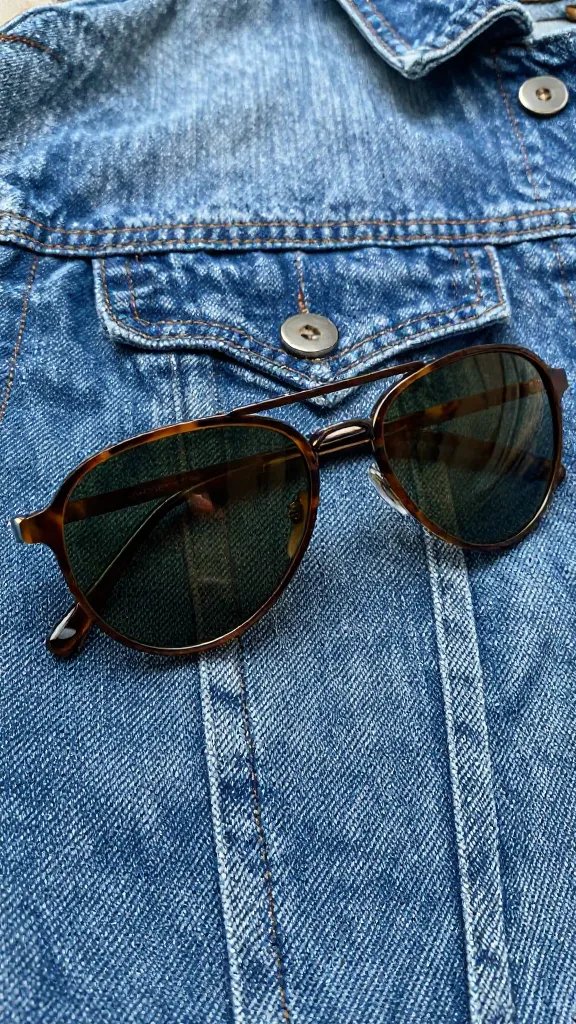
Western sunglasses work because they carry three things: structure (clear edges that stand up to denim and boots), durability (no fussy parts that rattle loose), and coverage (actual shade you feel when you step into full sun). Thirty years of barn weddings taught me that when the rest of your outfit has texture — leather, denim, woven straw — your eyewear needs clean geometry, not a fashion experiment. That’s why aviators, square frames, and wrap shields earn their keep, and tiny, delicate frames never do the job. Keep that lens-to-face proportion honest, and let the metal and acetate do their quiet work.
How to Choose Western Sunglasses That Fit Your Face, Hat, and Day
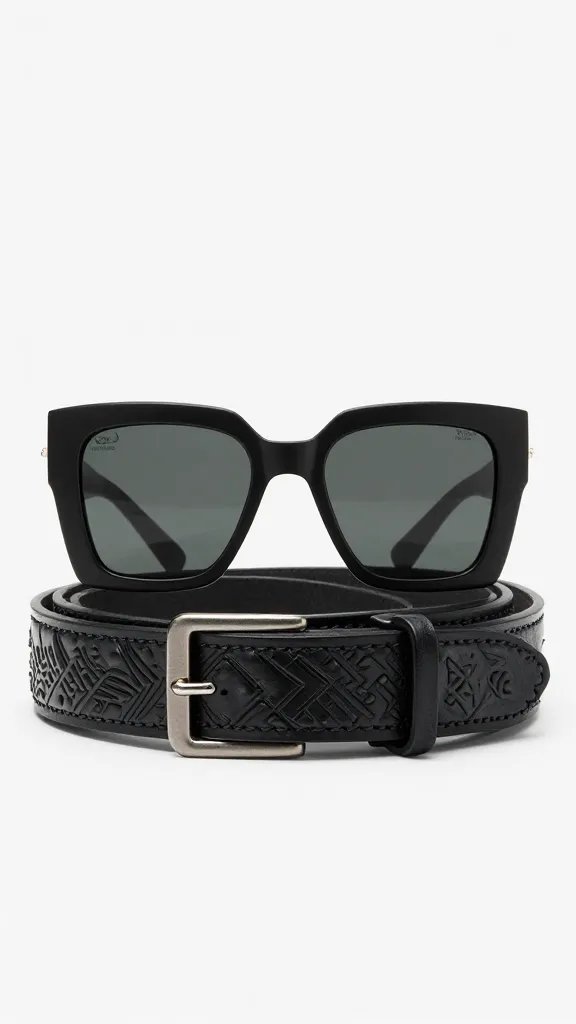
If you only do one thing right, get the proportion right. The frame edge should land about even with your cheekbones, with the lens covering your brow in full sun. If you wear a brimmed hat, test them together: the top bar shouldn’t bang into the hat band every time you look up. I’ve bent a cheap pair trying to make them ride lower under a felt hat; good fit would have saved them.
Shapes that earn their keep
- Aviators — teardrop or square aviators with a sturdy top bar; they read classic ranch and handle church to cookout. Choose medium-to-large lenses, not oversized novelty.
- Square/rectangular frames — a straight brow line pairs well with snap shirts and blazers. Slightly taller lenses give real coverage.
- Wrap shields — one-piece shield or semi-wrap for rodeo dust, fishing, and long drives. They seal light gaps at the temples and actually protect your eyes.
- Wayfarer-style — a thicker brow and gentle angle that looks right with denim jackets and cotton dresses. Solid for everyday town wear.
Bridge, temples, and nose
- Nose bridge should sit without slipping when you look down. If you sweat, adjustable nose pads are your friend.
- Temple arms should hug lightly without pinching. If they flare when you slide them under a hat, they’re too wide.
- Weight matters on long days. Metal frames feel cool but can slip; textured acetate grips better in heat.
The Lens: Color, Polarization, and the Sun That Doesn’t Care About “Cute”
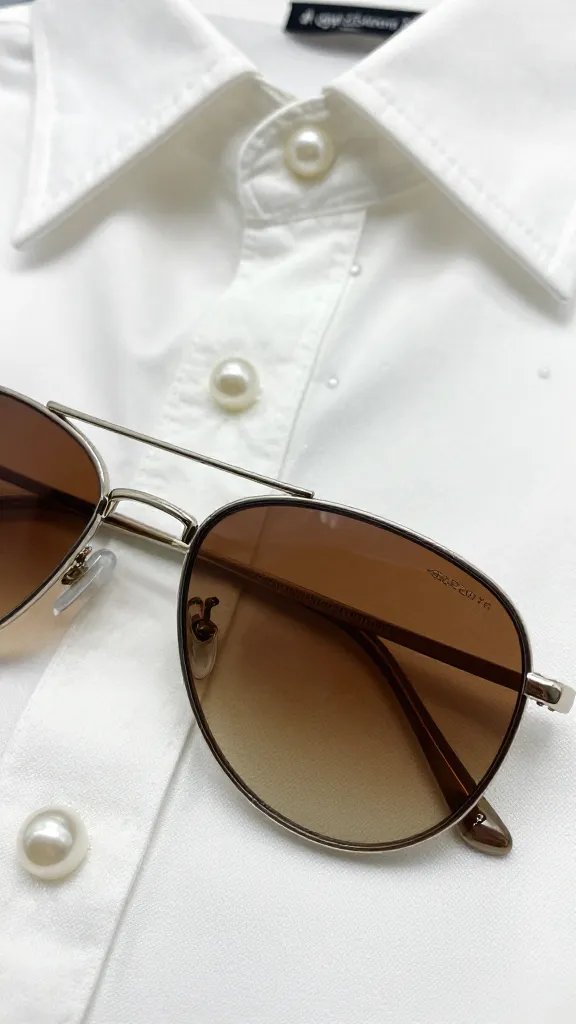
Lenses are where your eyes either get a vacation or a headache. I’ve driven the back way from Bandera to Luckenbach at sundown, and a brown polarized lens saved me from squinting through every low-angle glare. Choose function first, then looks.
- Polarized — worth it for water, highway, stadium seats, and open pasture. Cuts glare so you’re not fighting light all day.
- UV protection — look for 100% UVA/UVB. If the description won’t say it, walk away.
- Tints that work:
– Brown/bronze — warm, high-contrast; best all-around for ranch days and driving.
– Gray — neutral color; great in harsh sun where colors matter less than shade.
– Copper/rose — sharpens contrast on cloudy or late-afternoon days; gentler on eyes.
– Green — classic look with balanced color; good compromise. - Mirrors — helpful in blinding light or snow; they do scratch more easily, so case them like you mean it.
Firm opinion, stated once: Don’t buy cheap sunglasses twice — buy one good pair that protects your eyes and holds its screws, then take care of it.
Frame Materials and Finishes That Survive Ranch Life
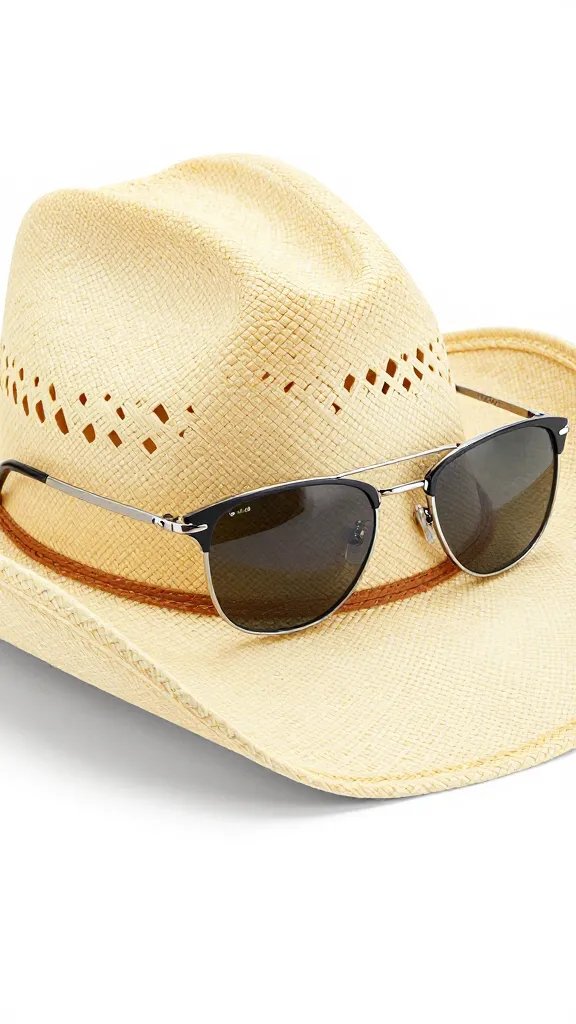
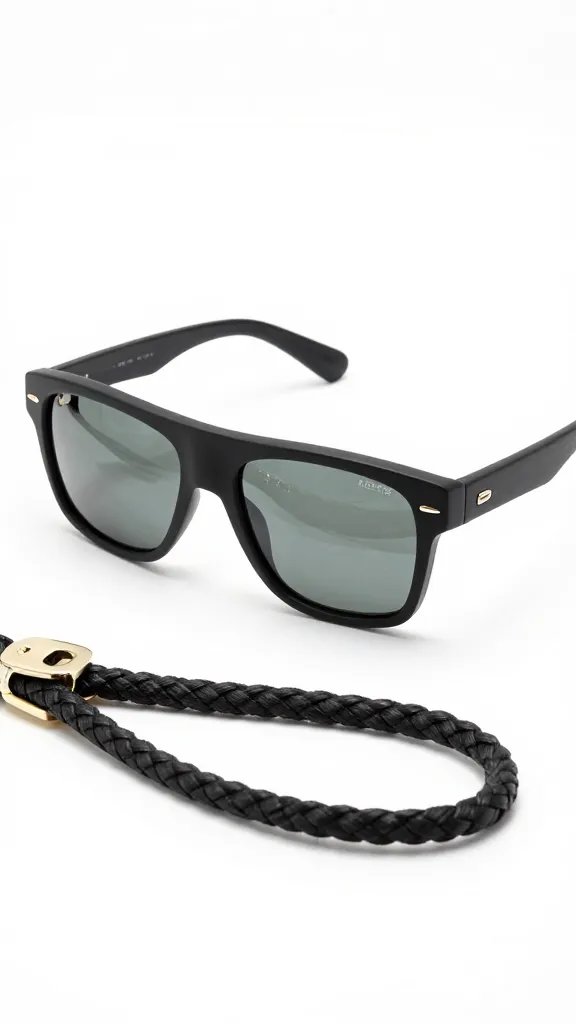
Western sunglasses get tossed in glove boxes, set face-down on tailgates, and knocked into dirt at rodeos. If the frame can’t handle it, it doesn’t belong with your boots. I once dried a soaked pair on a dashboard and warped the plastic; heat warps cheaper mixes. Since then, I’ve stuck to sturdier builds.
- Metal — stainless or titanium stands up and adjusts cleanly; double-bridge aviators in metal are hard to beat. Beware very thin wire that bends at the first bump.
- Acetate — solid, polishable, and grippy at the temples. Holds shape better than bargain plastic in heat.
- Nylon/Grilamid — lightweight, flexible, great for wrap shields and all-day wear.
- Hinges — look for metal or spring hinges with real screws, not molded pins. A micro screwdriver once saved me during a wedding reception; pinned hinges would have been trash.
- Finishes — brushed metal hides scratches; glossy acetate shows them but polishes back; matte hides fingerprints.
How to Style Western Sunglasses with Everyday Denim
Denim and shades are the marriage that rarely fights. Keep your lines clean and let texture do the rest. I reach for square frames on errands and bronze aviators when I’ll be in and out of sun all afternoon.
- Jeans + tee + boots — square or wayfarer-style frames, gray or brown lenses. Add a leather belt and call it done.
- Chambray shirt + black denim — metal aviators with a dark lens; tuck the shirt, roll sleeves twice.
- Denim jacket + cotton dress — warm brown or green lens in a medium frame; a touch of tortoise acetate reads easy and grown.
- Work denim + cap — wrap shields or square frames with polarized brown lenses; safety and shade first.
Western Sunglasses with Dresses, Skirts, and Wedding Guest Looks
For church, barn weddings, or a country club reception, sunglasses are part of arriving and leaving — and sometimes half the photos before the chairs fill. I’ve tucked a pair into a clutch more times than I can count, then slipped them on walking out to a sunny cocktail hour.
- Cotton midi + stacked-heel boots — slender aviators, bronze lens, brushed metal. Keep jewelry minimal; let the line of the frame be your polish.
- Silk or satin dress + blazer — square metal frames, gray lens; slides under a felt hat without bumping the brim.
- Floral wrap dress + denim jacket — mid-size wayfarer-style, brown lens; looks warm in late-afternoon photos.
- Rule of quiet — if the dress has ruffles or eyelet, choose a simpler frame; avoid oversized novelty shapes with formal wear.
How to Wear Western Sunglasses with a Hat (and Not Fight Your Brim)
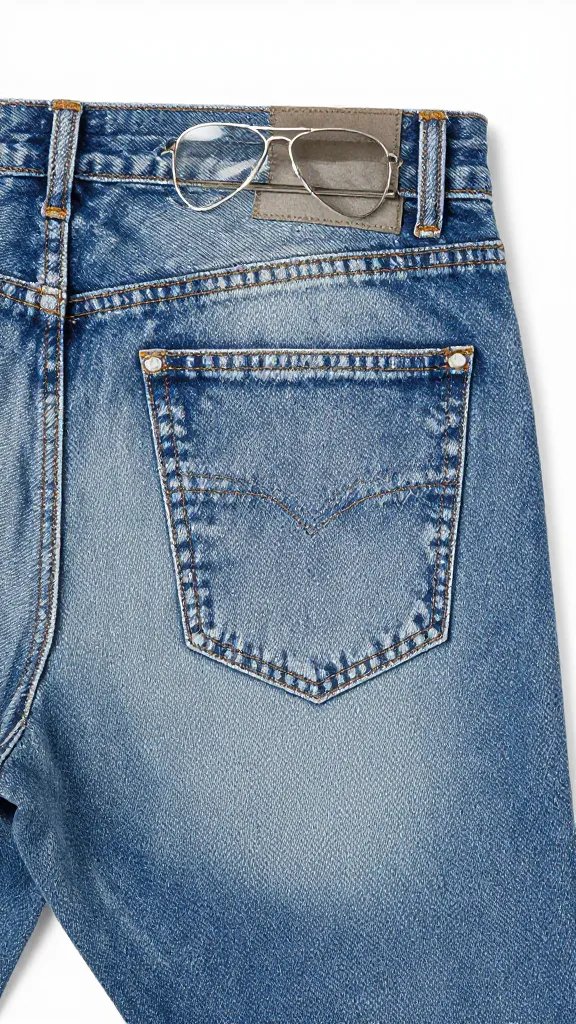
Hats and shades share real estate. I’ve head-butted a hat band more than once before I learned to fit them together. Do this in front of a mirror before the event, not in the truck.
- Under the brim — pick a low-profile bridge and a frame that sits close to your face. Square frames and smaller aviators slide under felt and straw cleanly.
- Temple angle — slightly straighter temples slide under a hat better than strong curves. Check that they don’t lift the hat off your head.
- Color match — metal in pewter or brushed gold pairs well with straw; black or gunmetal with felt. Don’t stripe your face with bright reflections under a brim.
- Storage move — when you tip your hat back indoors, hook sunglasses at your neckline instead of the hat brim to avoid stretching the temples.
Workdays, Rodeo, and Long Drives: Sunglasses That Earn Their Gas Money
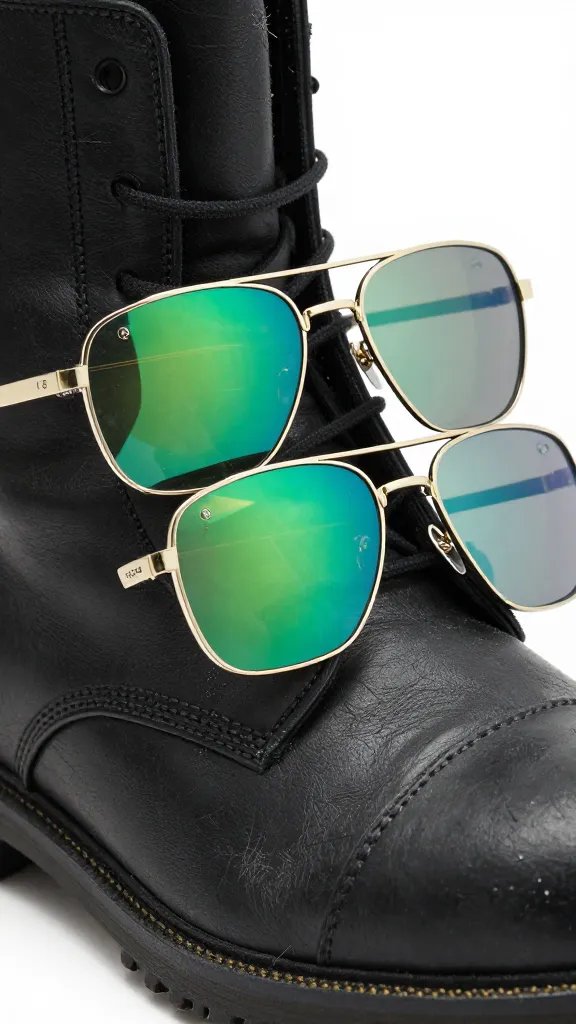
I’ve put in dusty hours at county fairs and driven cattle guards that rattled my teeth. For that kind of day, pick performance first, then polish it a hair for town.
- Rodeo and arena — wrap shields or tall-square frames, polarized brown lenses. Anti-slip nose pads keep them steady when you sweat.
- Pasture checks and fence lines — nylon frames with spring hinges; gray or bronze lenses. Keep a hard case in the truck door pocket for quick stow.
- Long highway drives — copper or brown polarized lenses reduce fatigue; keep a microfiber cloth in the console. I’ve wiped dust with a shirt tail and scratched a lens once; learned my lesson.
Color, Texture, and Finishing Touches That Read Western, Not Costume
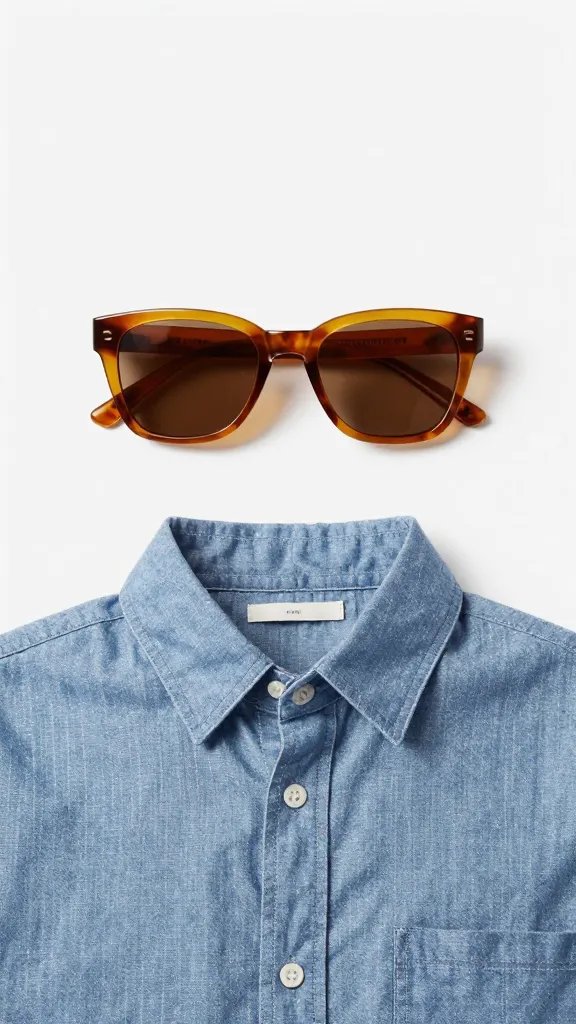
Western style is honest materials with a little shine where it matters. Your sunglasses should nod to that without shouting.
- Metals — brushed gold, antique bronze, gunmetal. Shiny chrome can feel harsh next to earth tones.
- Acetate tones — tortoise, dark root beer, matte black. Clear frames skew city; keep them for town days if you love them.
- Lens look — a gentle brown gradient is flattering for photographs and still practical outdoors. Full mirrors are for glare days, not family photos under cottonwoods.
- Hardware — a quiet double bridge reads ranch. Studs, rhinestones, and cutouts read novelty; they snag, and they date fast.
What to Buy: Honest Price Bands and How to Choose Once
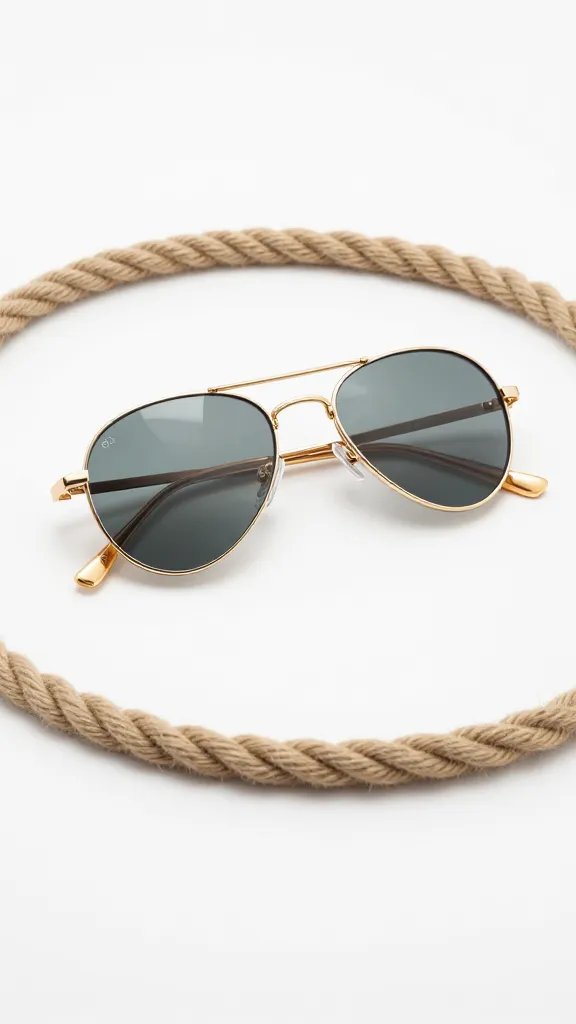
You don’t need a fancy label; you need sound construction and real UV protection. Here’s how to decide where to land.
- Under $50 — good for backups you won’t cry over. Prioritize 100% UV and a fit that doesn’t slip. Expect coatings to scratch sooner.
- $50–$120 — sweet spot for daily wear with polarization, better hinges, and sturdier frames. Ask for replacement lenses or parts availability.
- The buy-once splurge — premium optics, lighter weight for all-day comfort, and serviceable hardware. Worth it if you wear them daily and keep them in a case.
Fit test before you buy: look down and shake your head gently — no sliding. Smile — if the frames lift off your cheeks, try a different nose bridge. Slip a hat on — no collision at the top bar. If you drive at sunrise, step into full light and check for glare leaks at the temples.
Care, Cases, and Habits That Keep Lenses Clear All Season
Your sunglasses will live or die by your habits, not a label. I’ve rescued more than one pair with a five-dollar screwdriver and lost another to the bottom of a tote bag.
- Always case them — a hard case in your bag, glove box, and tack room shelf. Keep a spare microfiber cloth folded inside.
- Rinse, then wipe — dust is grit. Rinse with clean water before you polish; pat dry with microfiber.
- Tighten hinges — a quarter-turn on the temple screws each month. Loose screws fall out at the worst time.
- Avoid truck-dash ovens — heat warps frames and cooks coatings. If they do get wet, air-dry flat on a towel — not on the dash.
- Check nose pads — replace when yellowed or slippery; it’s a cheap fix that feels like new sunglasses.
Mistakes That Waste Money
These are the ways good sunglasses get ruined or never quite look right. None of them are complicated to avoid.
- Tiny fashion frames for real sun — they don’t shade you; they just squint prettier. Go medium or larger for daylight work and events.
- Ignoring polarization for water and highway — headaches and eye strain cost more than proper lenses.
- Throwing them in a tote — scratched lenses within a week. Case them every time.
- High-shine metal under a brim — reflections bounce into your eyes and your photos.
- Buying without a hat test — if you wear a brim, test with a brim. Return if they collide.
Three Reliable Outfit Formulas Using Western Sunglasses
If you want a sure thing, keep these in your back pocket. I’ve worn each to real places — county fairgrounds, highway stops, and a Sunday patio lunch.
- Town day — straight-leg jeans, white tee, tan belt, mid-size square frames with brown polarized lenses, roper boots. Add a light denim jacket if the breeze picks up.
- Rodeo evening — dark bootcut denim, pearl-snap shirt, wrap shield sunglasses, heel boots, felt hat. Switch to a cardigan after sundown and hook the shades at your collar.
- Wedding guest — floral midi, short Western jacket, stacked-heel boots, slender metal aviators with gray lens. Case them before you head inside, pull them out for sunset photos.
Frequently Asked Questions
How do I style western sunglasses with a cowboy hat without them bumping?
Choose a low-profile bridge and frames that sit close to your face, then test under your hat at home. Straighter temples slide under a brim better than curved ones, and brushed metal avoids bright reflections under the hat.
What lens color is best for western sunglasses on ranch days?
Brown or bronze polarized lenses are the most versatile for open sun, dust, and driving. They increase contrast and cut glare so you’re not squinting at noon or at sundown on a dirt road.
Are aviators or square frames better for Western sunglasses at a wedding?
Both work, but slender metal aviators in a neutral tint read slightly dressier and slide under hats easily. Square frames pair well with blazers or structured dresses; keep the finish brushed rather than mirror for photographs.
Can I wear western sunglasses with a felt hat in Bandera?
Yes — fit them under your brim by picking a frame that doesn’t collide with the hat band and a lens that handles Texas sun, like brown polarized. Check the combo outside; temple pressure that lifts the hat means a narrower fit is needed.
How do I clean western sunglasses after a dusty rodeo?
Rinse them under clean, lukewarm water to lift grit, then blot dry with a microfiber cloth. Tighten hinge screws if they’ve loosened, and store them in a hard case so dust in your bag doesn’t start the scratching all over again.
Take Yours Out This Week
Set one good pair by the door with a hard case and a clean cloth, and you’ll stop leaving them behind. Tonight, test your sunglasses with your hat in the mirror, then pick the outfit they’ll ride with on Saturday — denim laid out, problem solved before breakfast.
Keep exploring: Western Accessories and Western Wardrobe Essentials go well with this one. For the rest of the wardrobe it pairs with, Sadie’s cowgirl outfits style guide is worth a look too.
If you have a question I didn’t cover, ask me in the comments — I read every one and answer from experience — love, Dottie Rae