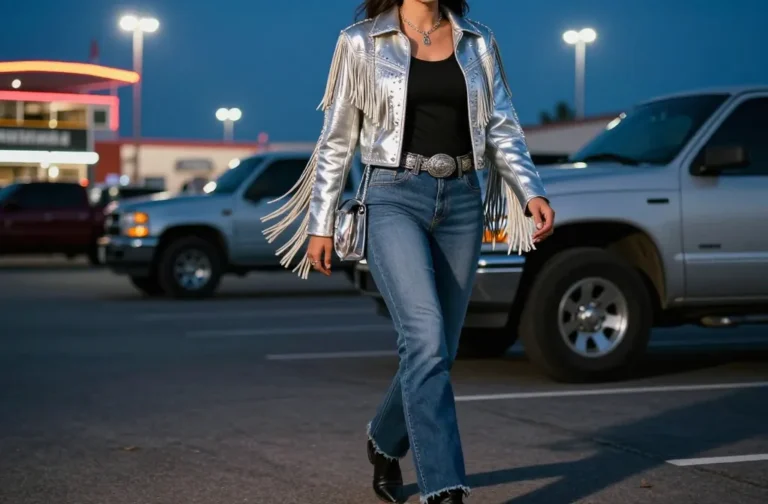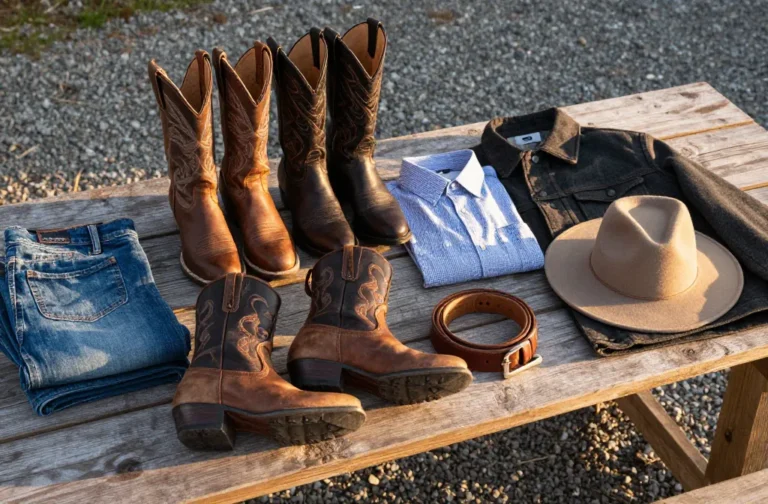
Western Cover-Up Guide — How to Style Yours
Western cover-up style is simple: start with the layer that respects sun, wind, and dust, then let it tie your outfit together without stealing the show. I’ve grabbed a denim jacket off the truck seat more times than I can count, and it’s the reason a lot of plain outfits looked finished. By the end of this guide you’ll know which cover-ups earn their hanger space, how to pair each one three ways, and what to skip so you don’t waste money. We’ll talk fabric, fit, and the small choices — sleeve, length, hardware — that decide whether you wear it once or for ten years.
Quick housekeeping: Some of these links pay the blog a little commission. It doesn’t change the price, and it’s never why something made the list.
The Principle: A Western Cover-Up Should Work as Hard as Your Boots

A western cover-up earns its keep by handling real life: gravel parking lots, sweaty dance halls, chilly church halls, and road-trip air-conditioning. Thirty years of barn weddings taught me that the right layer is the difference between shivering through the vows and settling in, comfortable and polished. Look for three things every time: natural or blended breathable fabric that won’t trap heat, clean structure that sits right at the shoulders, and useful details like pockets or a back vent. My one firm opinion, stated kindly: don’t buy cheap layers twice — buy a good one once and let it earn its way by lasting.
Pick Your Fabric First: The Four That Behave
Fabric decides comfort and lifespan. If you choose well, most styling falls into place.
Cotton Denim
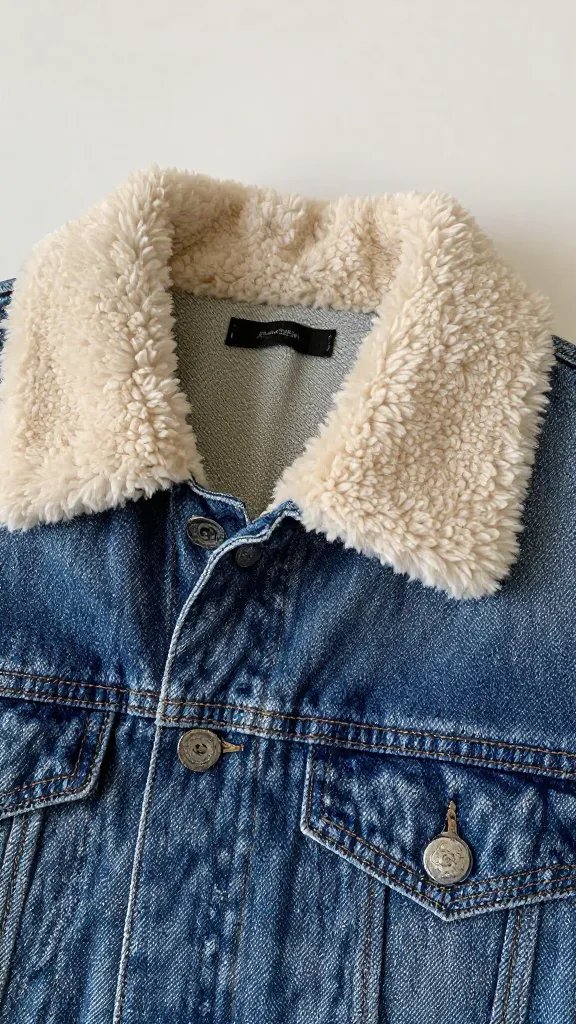
Midweight cotton denim (10–12 oz) is the workhorse: it blocks wind, softens with wear, and doesn’t baby you. I have a lined denim jacket that’s been on hay bales and in pews; it still presses up nicely with a warm iron. For summer nights, choose unlined and lighter weight; for shoulder seasons, look for a brushed interior or removable liner.
Cotton Twill
Cotton twill jackets and shackets give you structure without stiffness. They drape better over dresses than true denim and fit under a seatbelt without fighting you. Pre-washed twill won’t shrink much; expect a little give with wear.
Linen and Linen Blends
Pure linen breathes in August heat and looks honest with a little wrinkle. If you prefer a tidier line, choose a linen-cotton or linen-rayon blend. I pack a linen duster for summer weddings; it keeps sun off my shoulders and looks graceful when I’m chasing a breeze across a pasture lot.
Wool and Wool Blends
For fall and winter, a wool-blend western blazer or blanket-coat style keeps you warm without bulk. Look for a smooth lining in the sleeves so it slides over flannel or a sweater. Real wool handles mist and chilly air; just give it a day on a hanger after a long wear to relax the fibers.
Western Cover-Up Types — What Each One Does Best
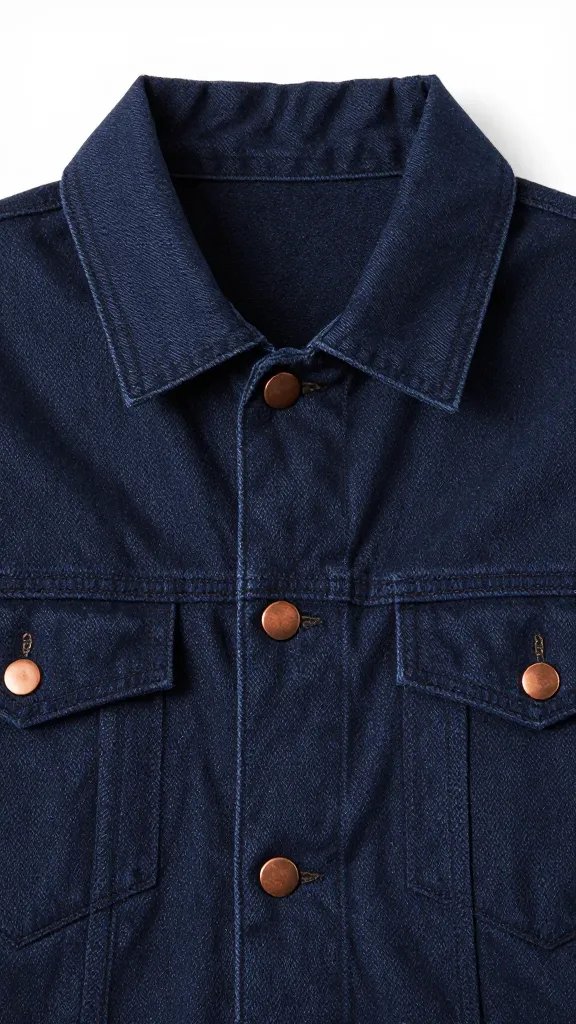
Different layers solve different problems. Choose based on weather, formality, and what you’re wearing underneath.
Denim Jacket
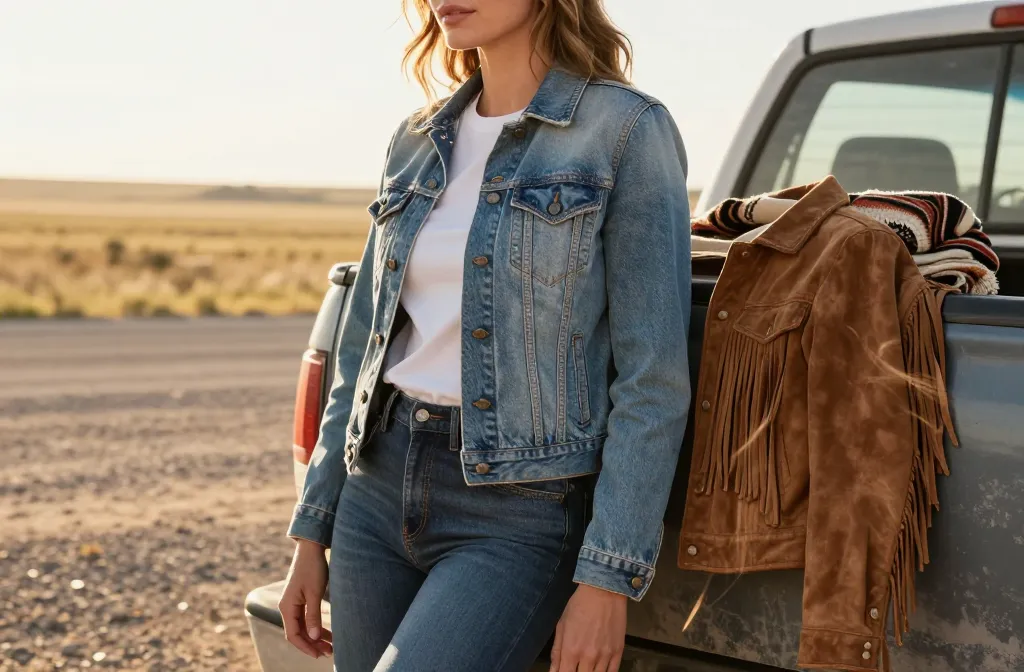
A classic fit hits at the hip bone, with chest pockets and metal buttons. It tops dresses without swallowing the waist and suits jeans without going full Canadian tux unless you want to. Size to slip a thin sweater under it; you want it snug at the shoulder, not the ribs.
Suede or Leather Jacket
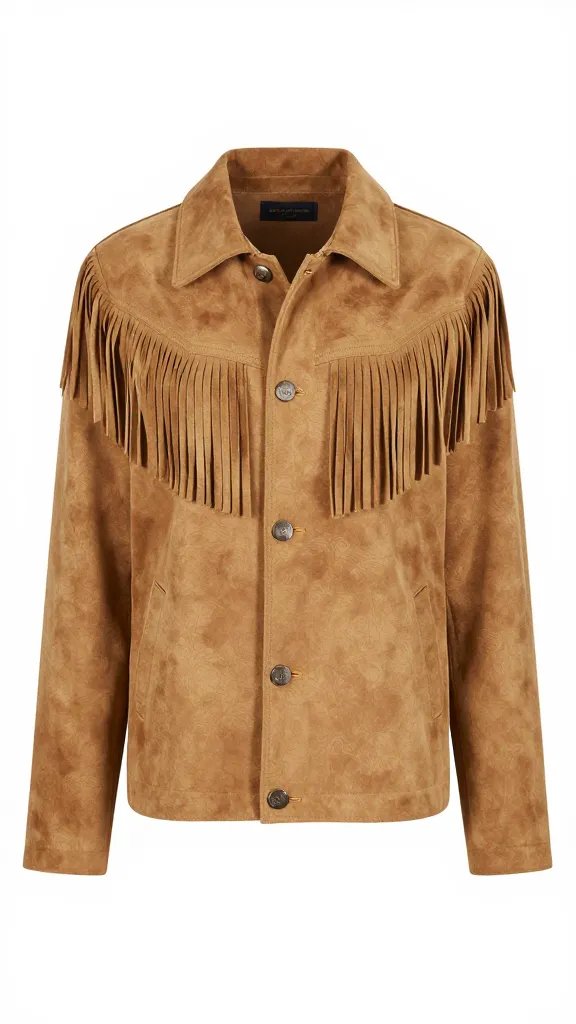
Short, clean, and softly lined. Suede feels western and dresses up easily; smooth leather is tougher for travel and brush. I wore a cropped suede jacket over a simple black dress at a fall wedding and kept it on all night — it read intentional, not “I’m cold.”
Fringe Shawl or Ruana
A woven shawl with fringe works over sleeveless dresses and tops, then doubles as a lap blanket on the drive home. Choose a weight that won’t slip off a slick dress; nubby weaves grip better. Keep patterns simple when your dress already has print.
Blanket Coat or Chore Coat
Mid-thigh, with patch pockets and a straight line. Great over jeans, boots, and a button-up. It’s a tailgate-to-town layer that forgives a bulky sweater and still looks neat with a scarf.
Duster or Kimono-Style Layer
Long and light, best in linen blends or airy cotton. It lengthens the line over shorts or a simple dress. I wore a cream duster over a chambray shirt and white jeans on a hot day; shade without heat is worth its hanger space.
Fit That Works: Length, Shoulder, and Sleeve

Fit makes the difference between “kept forever” and “gave away next spring.”
Length
Hip-length works over skirts and dresses because it respects the waist. Mid-thigh feels more casual and practical with pants. Ankle-length dusters read formal unless the fabric is clearly casual, like linen or open-weave cotton.
Shoulders
Seams should meet the corner of your shoulder bone; anything falling down the arm makes you look borrowed. If you plan sweaters underneath, fit the shoulder first and let the ribs breathe.
Sleeves
Wrist-bone length or one finger past; you can roll or cuff from there. Lined sleeves slide over long sleeves; unlined cotton grips in a good way. I always test a driving reach — hands at ten and two — before I cut the tags.
Color and Hardware: Quiet Choices with Big Payoff
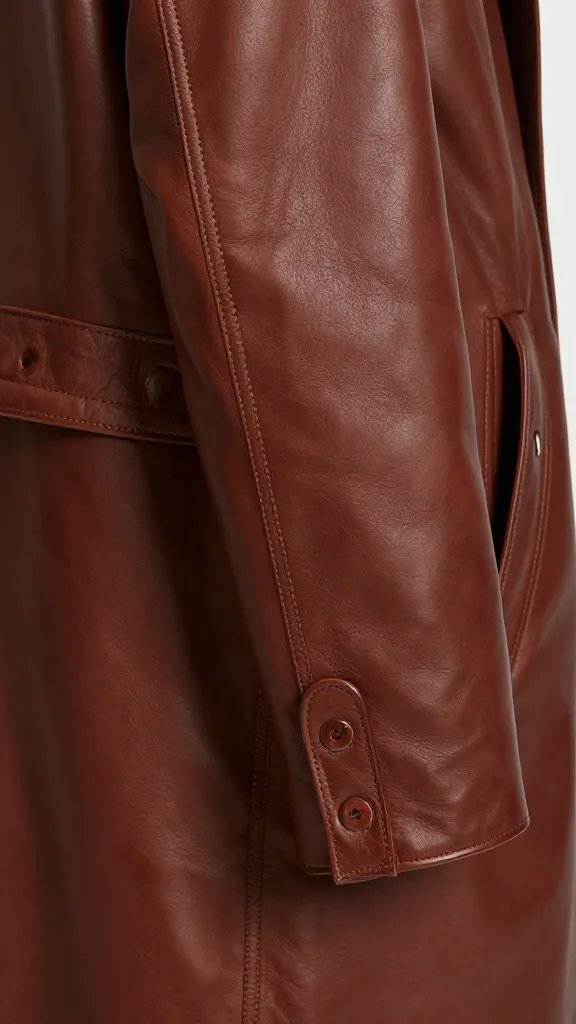
Color and hardware decide versatility. Choose once, wear everywhere.
- Indigo denim for jeans and dresses; washed blue for softer, casual outfits; black denim best for evening.
- Tan or camel suede reads western and friendly; chocolate brown leather is the grown-up all-rounder.
- Ivory or natural linen for summer lightness; olive or khaki twill for travel and dust.
- Matte snaps or horn-style buttons play nicer with jewelry than high-shine metal. If your belt buckle is loud, keep jacket hardware quiet.
I swapped shiny nickel buttons for matte brass on a twill jacket once; the whole piece behaved better with my belts and concho jewelry.
How to Style a Western Cover-Up Three Ways Each
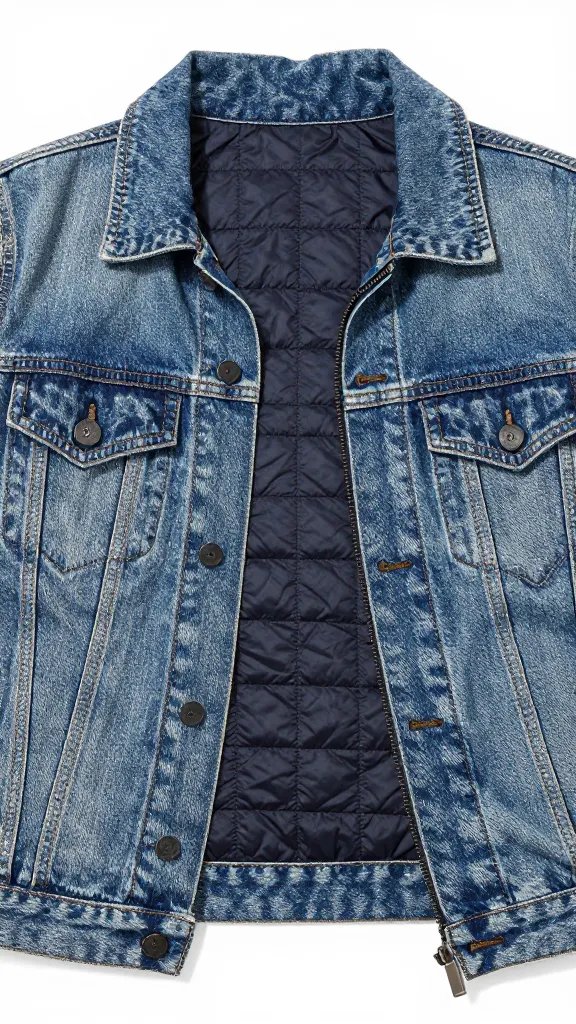
Here’s the practical part — plug-and-play outfits that hold up from feed store runs to evening plans.
Denim Jacket — Three Ways
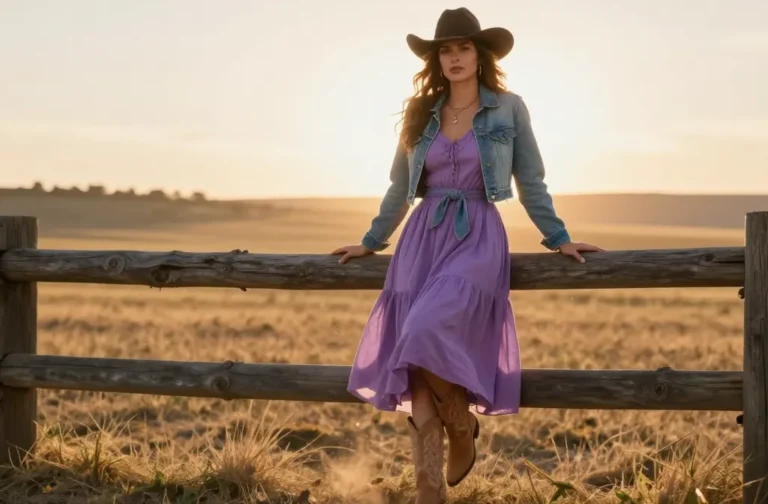
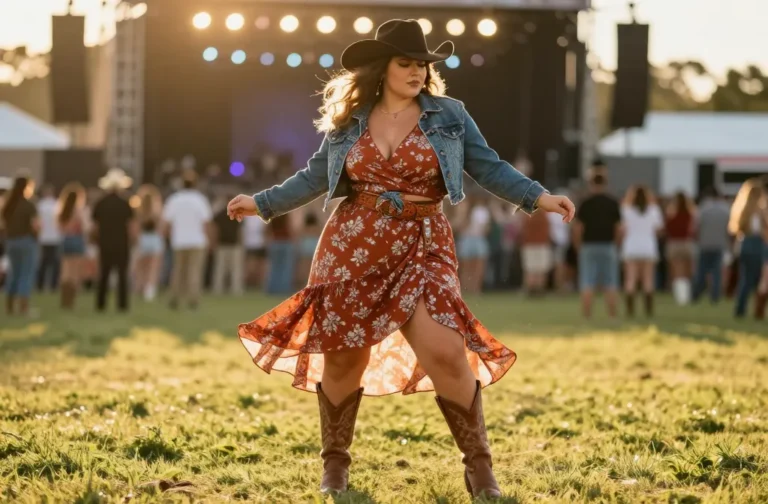
- Wedding guest: Midi floral dress, stacked-heel boots, denim jacket over shoulders, small leather clutch. Keep jewelry simple and let the boots carry the western note.
- Workday: Black jeans, tucked poplin shirt, denim jacket buttoned at the middle, leather belt, low-heel roper boots. Crisp and tidy without trying hard.
- Travel: Knit dress, denim jacket tied at the waist for air-conditioning battles, slip-on boots, canvas tote. Hands free, nothing fussy.
Suede or Leather Jacket — Three Ways
- Date night: Dark dress, suede jacket, turquoise studs, ankle-height western boots. One color story, one accent stone.
- Office: Straight-leg trousers, shell top, leather jacket, simple belt, heeled boots. A jacket with clean lapels behaves like a blazer.
- Rodeo: Bootcut jeans, graphic tee, leather jacket open, bandana at the neck. Functional and easy to peel off when the arena warms up.
Fringe Shawl or Ruana — Three Ways
- Evening ceremony: Solid midi dress, wool-blend shawl, pinned with a simple brooch. Keeps your hands free for hugging and carrying dessert plates.
- Summer patio: Tank, high-rise shorts, light ruana, woven belt, sandals or roper boots. Shade without weight.
- Church to lunch: Sleeveless sheath, soft ruana, small crossbody, low block-heel boots. Slip it off for soup, back on for the breezy walk to the truck.
Blanket or Chore Coat — Three Ways
- Chilly morning: Flannel shirt, straight jeans, blanket coat, wool hat, work boots. Pockets hold gloves and receipts.
- Casual Friday: Breton tee, black jeans, chore coat, polished western boots. Clean lines do the talking.
- Tailgate: Thermal henley, chore coat, scarf, insulated cup. You can sit on hay bales without worrying about snags.
Duster or Kimono-Style Layer — Three Ways
- Summer wedding: Linen duster over silk or satin midi, dress boots, small earrings. Remove for dancing, back on for the send-off.
- Weekend: Duster over tank and jeans, slip belt under it to define the waist. Walking-friendly and easy.
- Pool to patio: Lightweight cotton duster over a one-piece and cutoffs, straw hat, slides. Modest, airy, done.
Western Cover-Up With Dresses, Skirts, and Jeans

Pairing well is half the reason to own the thing. Two rules I keep: balance weight and respect the waistline.
With Dresses
Short jacket with long dress; long duster with short or straight dress. If your dress has volume, choose a structured layer. I hemmed a bridesmaid dress in a truck once and threw a denim jacket over it — those clean shoulders saved the day.
With Skirts
Pencil and straight skirts appreciate a boxy, hip-length jacket. Tiered or pleated skirts want a tidy cropped layer or a belt under an open duster. Keep skirt fabric lighter than the top layer, or it fights you when you walk.
With Jeans
Bootcut jeans pair best with a short or hip-length jacket to show the leg line. Straight and slim jeans handle longer coats fine. If you wear a denim jacket with jeans, vary the wash by two shades, not one, so it looks intentional.
Weather, Travel, and Real Life: Make It Last and Make It Easy
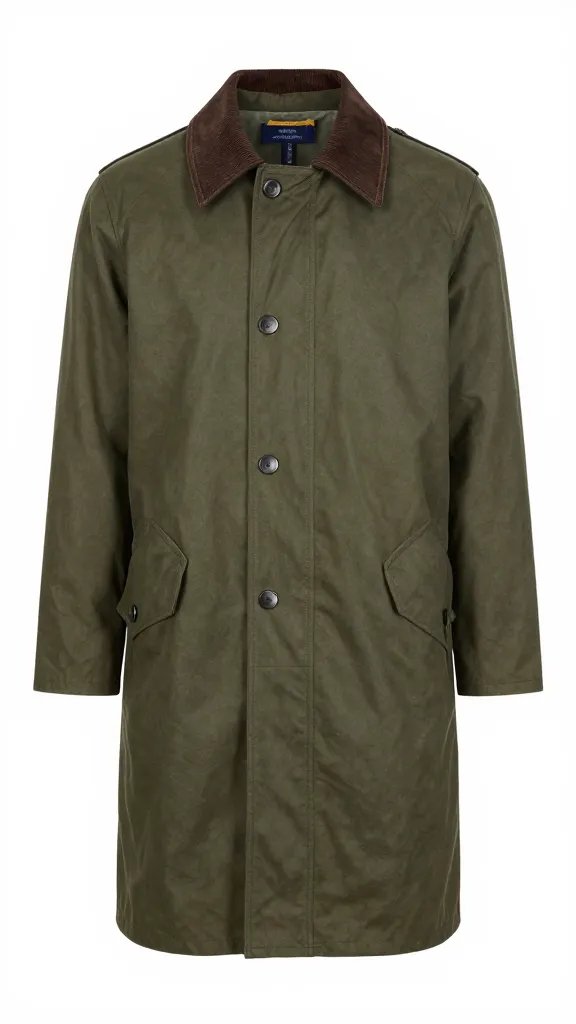
Good layers travel well and survive weather. Treat them like tools and they’ll pay you back.
- Wind and dust: Choose tighter weaves (denim, twill) and pockets with flaps. A bandana under the collar keeps grit off your neck.
- Rain and drizzle: Leather and suede need a light waterproofing spray before first wear; reapply each season. Let wet layers dry flat on a hanger; I dried a rain-soaked denim jacket overnight with newspaper sleeves once, and it held its shape.
- Heat: Linen blends and open-weave cotton rule. Avoid polyester linings; they trap sweat on your shoulders and back.
- Cold: Layer a thin down vest under a chore coat; it’s warmer than a bulky sweater and keeps your arms free.
- Car time: Test the seatbelt. Bulky collars look good in mirrors and miserable in mile seven.
What to Spend: Honest Price Bands and Where to Aim

Spend where it lasts; save where fabric tech doesn’t matter as much.
- Under $50: Cotton shawls, simple ruanas, lightweight dusters. Great for seasonal color or a wedding layer you won’t baby.
- $50–$150: Solid denim jackets, cotton twill shackets, lined chore coats, entry wool blends. This is the sweet spot for daily wear.
- $150–$350: Quality suede or leather, tailored wool-blend blazers with western lines. The buy-once splurge for pieces you’ll still reach for in ten years.
When I spend, I expect clean stitching, a smooth sleeve lining, real pockets, and hardware that won’t chip. When I save, I do it on shawls and light dusters where the fabric isn’t under stress.
Accessories That Behave With a Western Cover-Up
Keep the rest of the outfit cooperative. One western note per outfit is plenty.
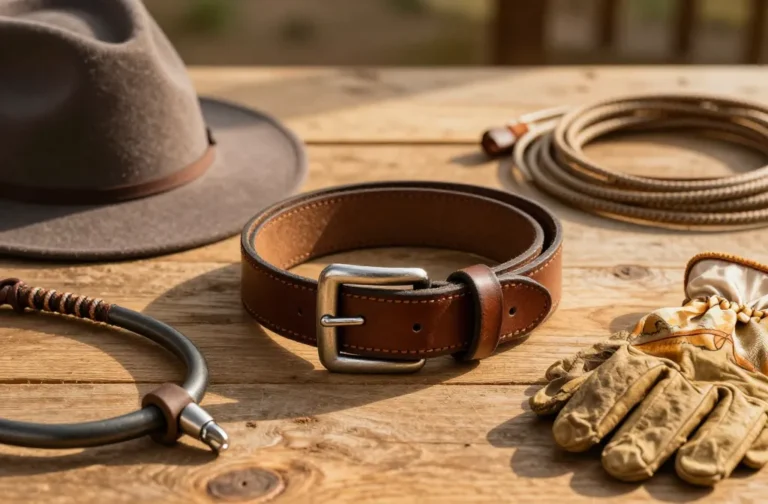
- Belts: If the jacket has bold snaps, choose a simple belt. If your belt buckle tells a story, choose quiet jacket buttons.
- Hats: Felt with wool layers, straw with linen and denim. Mind doorframes and windy lots.
- Jewelry: Studs or small hoops with fringe or strong collars; longer earrings with plain necklines. Turquoise pairs best with matte hardware.
- Bags: Crossbody for events, tote for travel. Smooth leather slides under a jacket without bunching.
Care That Keeps It Looking New
Five minutes after wear beats an hour of repairs later.
- Denim and twill: Brush off dust, hang to air, wash inside out on cold when truly dirty, and line-dry. Warm iron or steam to settle seams.
- Linen: Steam instead of iron when you can. Hang right out of the wash; gravity helps.
- Suede and leather: Use a suede brush or soft cloth. Treat with conditioner seasonally (cream for leather; no oil for suede). Spot clean quickly and let it dry away from heat.
- Wool blends: Air between wears, spot clean, and steam to refresh. Dry clean sparingly; too often and it loses shape.
Mistakes That Waste Money
These are easy to avoid once you know them.
- Buying the wrong shoulder fit — Tailors can’t fix a dropped shoulder cleanly; start with a proper fit there.
- Over-shiny hardware — It dates fast and competes with buckles. Pick matte or brushed.
- Polyester linings in heat — They trap sweat and turn a good jacket into a sauna.
- Too-close denim washes — If jacket and jeans nearly match, it looks accidental; go two shades apart.
- No pockets — You’ll resent carrying a phone in your hand all night. Pockets pay their rent.
Frequently Asked Questions
How do I style a western cover-up with a cocktail dress?
Choose a cropped suede or a fitted denim jacket and keep it open to respect the dress shape. Pick one piece of jewelry with quiet hardware, and wear a stacked-heel boot or simple pump with a western toe. Bring a small leather clutch so the jacket pockets aren’t overloaded.
What western cover-up works for a summer wedding outdoors?
A linen or linen-blend duster or a lightweight ruana keeps sun off and breathes. Choose light colors that won’t show dust from gravel paths. Test it seated; if the layer pools heavily in your lap, go shorter.
Can I wear a western cover-up with office clothes?
Yes — a wool-blend western blazer or clean leather jacket pairs well with straight-leg trousers and a shell top. Keep hardware matte, and choose a hip-length that sits neatly when you’re at a desk. Switch to heeled boots or loafers for polish.
What color western cover-up is most versatile?
Indigo denim or chocolate brown leather will cover the most outfits through the year. Olive twill is a close second for travel and weekends. If you wear a lot of prints, stick to solid, matte finishes.
How do I pack a western cover-up for a road trip without wrinkling it?
Turn sleeves inside, fold the body in thirds, and stack it at the top of the bag or lay it flat on the backseat. Linen and twill relax on a hanger in the hotel shower steam. Leather rides best on a hanger; bring a soft cloth to wipe dust.
What boots pair best with a western cover-up for a rodeo?
Classic cowboy boots with a medium heel and a rounded or snip toe balance chore coats and denim jackets well. If you’ll be on concrete, choose a rubber or hybrid sole for grip. Keep the jacket short enough to show the leg line above the boot shaft.
Take Yours Out This Week
Lay your favorite dress or jeans on the bed and try two layers you already own — one structured, one soft — then snap photos. You’ll see right away which length and fabric you like on you. If you need to buy, start with indigo denim or brown leather and let it earn next season’s room in the closet.
Keep exploring: Western Resort & Swim Style and Western Wardrobe Essentials go well with this one. For the rest of the wardrobe it pairs with, Sadie’s cowgirl outfits style guide is worth a look too.
Questions, fittings, or a tricky outfit you want a second set of eyes on? Leave it in the comments — love, Dottie Rae